
Updated: July 2026
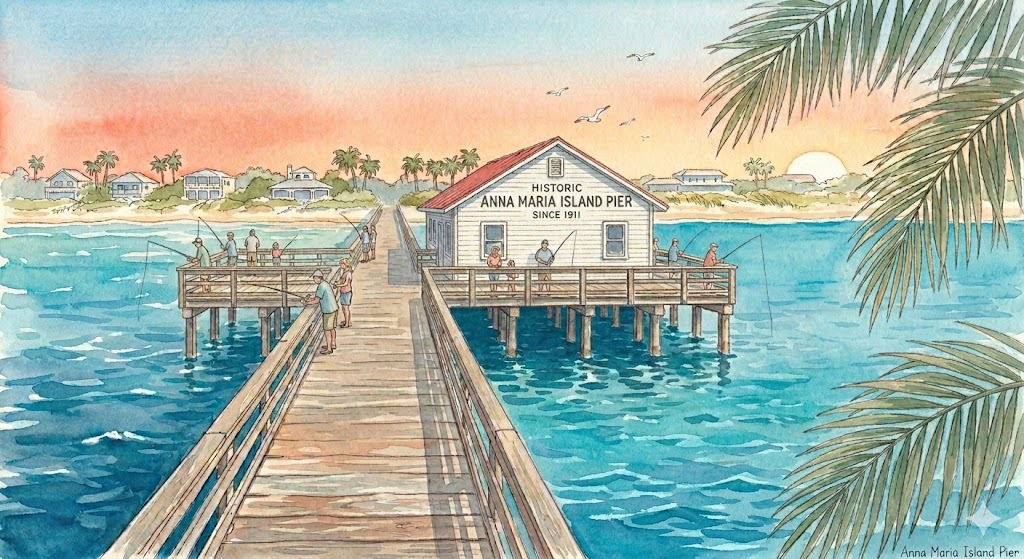
A Brief History of Anna Maria Island
Soft sugar-white sand, pastel cottages, and quiet streets where golf carts outnumber cars set the scene the moment you arrive on Anna Maria Island. That charm is not accidental. It is rooted in a history shaped by early settlers, fishing traditions, and a long-standing commitment to preserving the island’s Old Florida character.
Long before it became a beloved beach destination, the island was a remote stretch of land accessible only by boat. Early pioneers were drawn to its natural beauty and slower pace, laying the foundation for the laid-back atmosphere visitors still experience today.
If you have explored the island’s historic piers, quiet neighborhoods, or local museums, you have already stepped into pieces of that story. And if you have not yet, it is worth adding a few stops after reading.
Understanding the history of Anna Maria Island adds a deeper layer to your visit. Landmarks, street names, and historic buildings shift from scenic backdrops to part of a living timeline that makes the island feel timeless rather than touristy.
Today, traces of that layered past can still be seen in the island’s historic piers and preserved cottages,
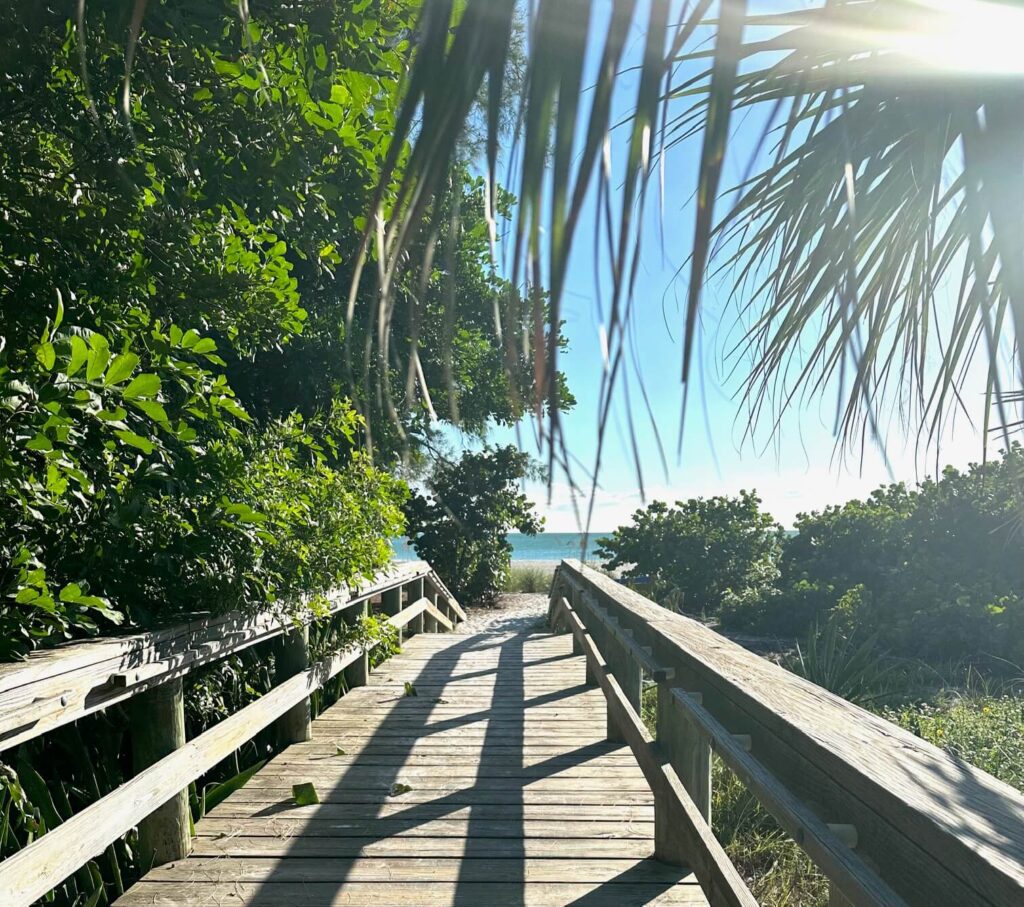
Every path here leads to a story.
How Anna Maria Island Got Its Name
The exact origin of the name “Anna Maria Island” is still debated, adding a layer of mystery to the island’s already charming history. The island was formed roughly 25,000 years ago, and long before European explorers arrived, it was home to Native American tribes including the Timucans, the Calusa, and the Tocobagans, who used the island as a base for fishing, hunting, and foraging. Their presence shaped the natural landscape of the surrounding waterways for thousands of years.
Spanish explorers arrived in the 1500s, and it is believed that the island was named Ana-Maria-Cay in honor of the Virgin Mary and her mother Anne, though some accounts attribute the naming to Ponce de Leon during his exploration of Florida’s Gulf Coast. Hernando de Soto passed the island in 1539 during his broader expedition into the region.
A later and equally compelling naming story points to Madison Post, a Tampa mayor who settled on the island in the mid-1800s and is said to have named it after his wife Maria and his sister-in-law Anna. Whether the name traces back to Spanish explorers or an early settler, it has been in continuous use since the island’s earliest recorded settlement period in the late 1800s.
Today, the name reflects more than just a geographic label. It represents the island’s timeless, personal feel. Unlike heavily commercialized beach destinations, Anna Maria Island still carries a sense of history, small-town charm, and storytelling that visitors immediately notice.
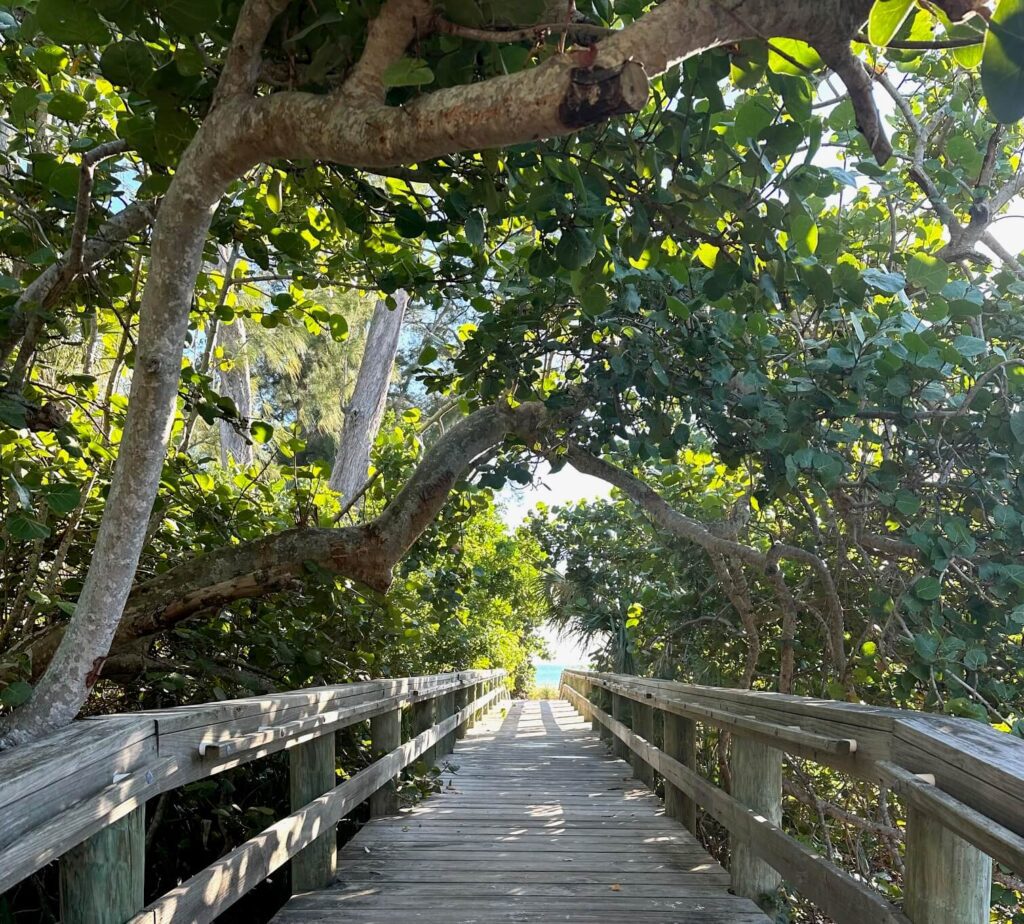
A simple path… with a long history.
The Early Days
Long before bridges connected the island to the mainland, Anna Maria Island was a quiet, isolated paradise. The first known permanent homesteader, George Emerson Bean, arrived in 1892, drawn by the island’s fishing opportunities and natural beauty. At the time, life here required resilience. Supplies came by boat, and the island remained largely untouched by development.
This early isolation is a big reason why the island still feels so peaceful compared to many Florida beach destinations today. Even as tourism grew, Anna Maria Island chose a different path, favoring preservation over high-rises and large-scale commercialization.
Timeline of Anna Maria Island
- Late 1800s · First settlers arrive, including George Emerson Bean
- Early 1900s · Small fishing community develops
- 1920s · First bridge connects the island to the mainland
- Mid–late 1900s · Tourism grows, but development remains limited
- 2000s–today · Preservation efforts continue alongside increased recognition
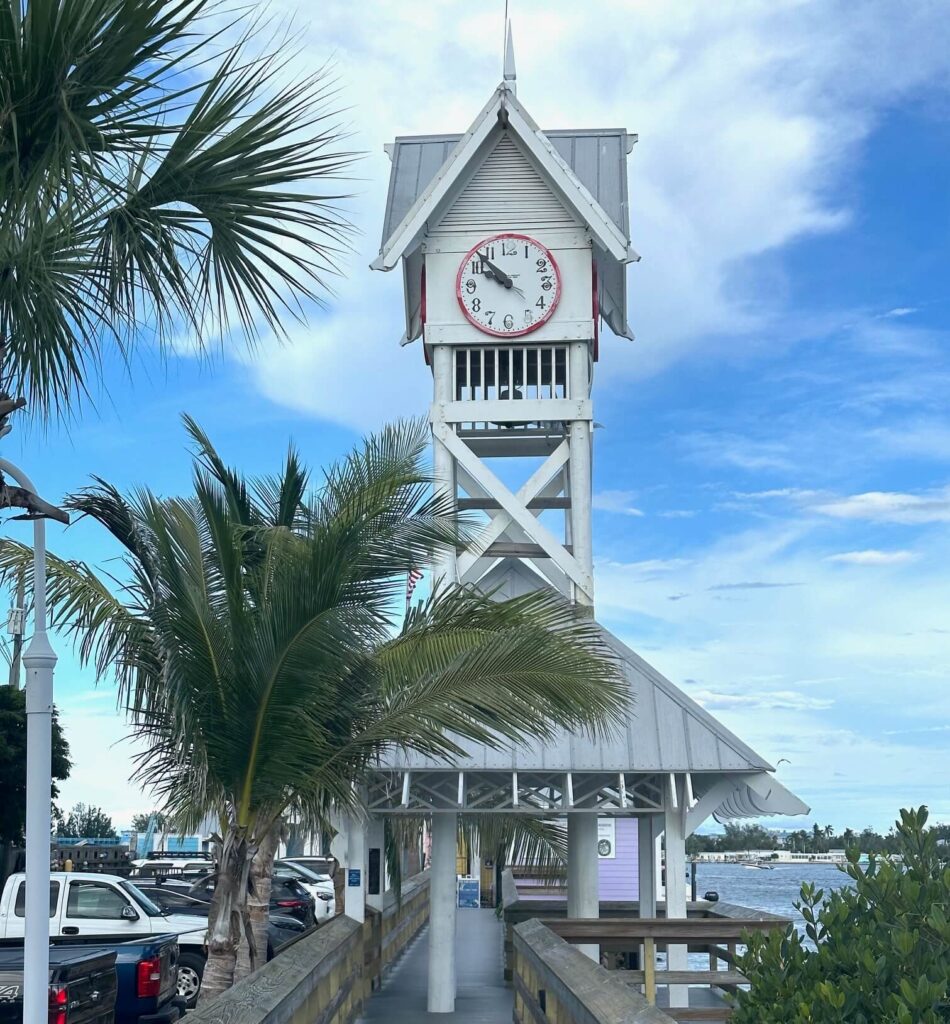
If this tower could talk…
The Bridge That Changed Everything
In the early 1920s, the construction of the first bridge to the mainland transformed life on Anna Maria Island. What was once a remote fishing community suddenly became more accessible to visitors and new residents. Travel, supplies, and tourism all became easier, helping the island slowly evolve into the destination we know today.
However, unlike many coastal areas in Florida, Anna Maria Island never fully surrendered to overdevelopment. Instead, it maintained its small-town feel, a defining characteristic that continues to attract families, history lovers, and repeat visitors year after year.
You can still experience glimpses of this earlier era while visiting historic sites such as Pine Avenue or the Anna Maria Island Historical Museum.
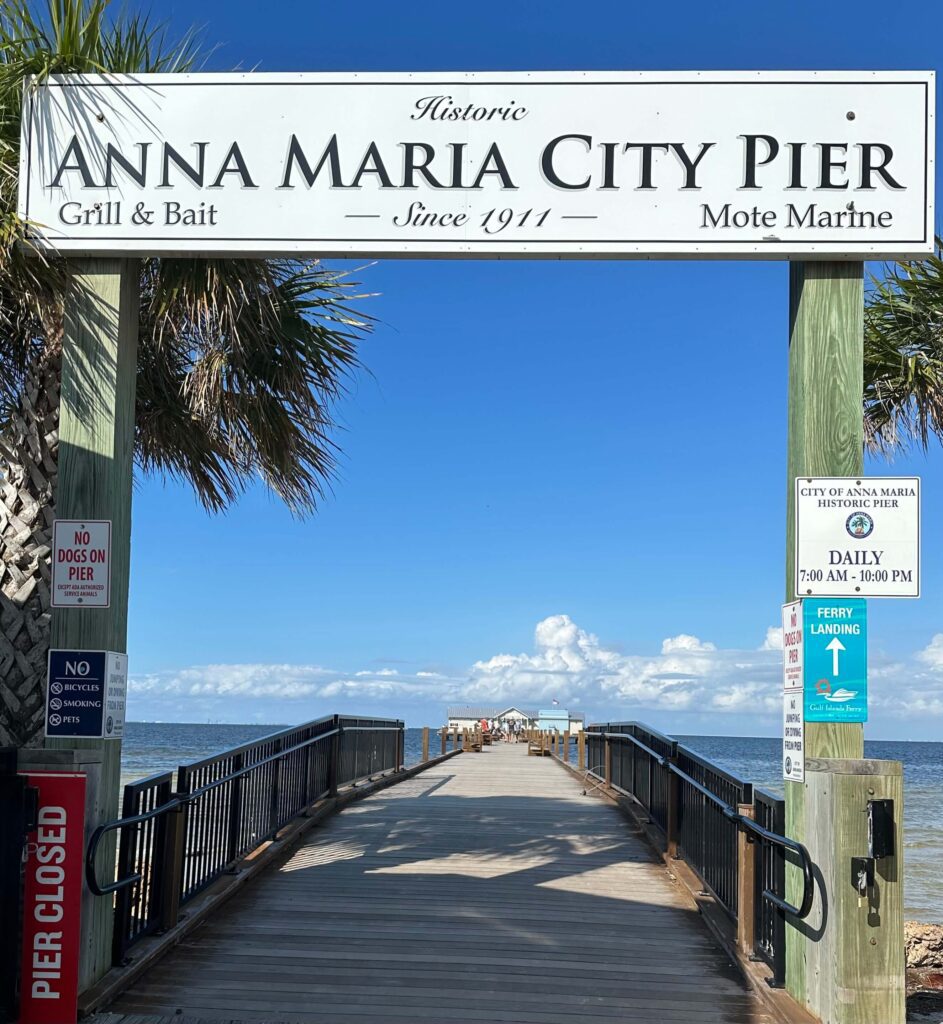
A quiet reminder of the island’s past.
Historic Landmarks You Can Still Visit
One of the most unique aspects of Anna Maria Island is that its history is not frozen. It continues to evolve.
That’s especially visible in two of the island’s most recognizable landmarks. The beloved Rod & Reel Pier, long a staple at the north end, was lost following hurricane damage. Meanwhile, the Anna Maria City Pier is undergoing restoration to preserve it for future generations. For the full story of that pier, from its 1911 origins to a house that once floated over the water at its edge, see my History of the Anna Maria Pier: My Insider Guide.
These changes are bittersweet, but they reflect the island’s long-standing commitment to thoughtful preservation over overdevelopment. Even as landmarks are repaired, rebuilt, or remembered, the spirit of Anna Maria Island remains the same: relaxed, nostalgic, and deeply rooted in its history.
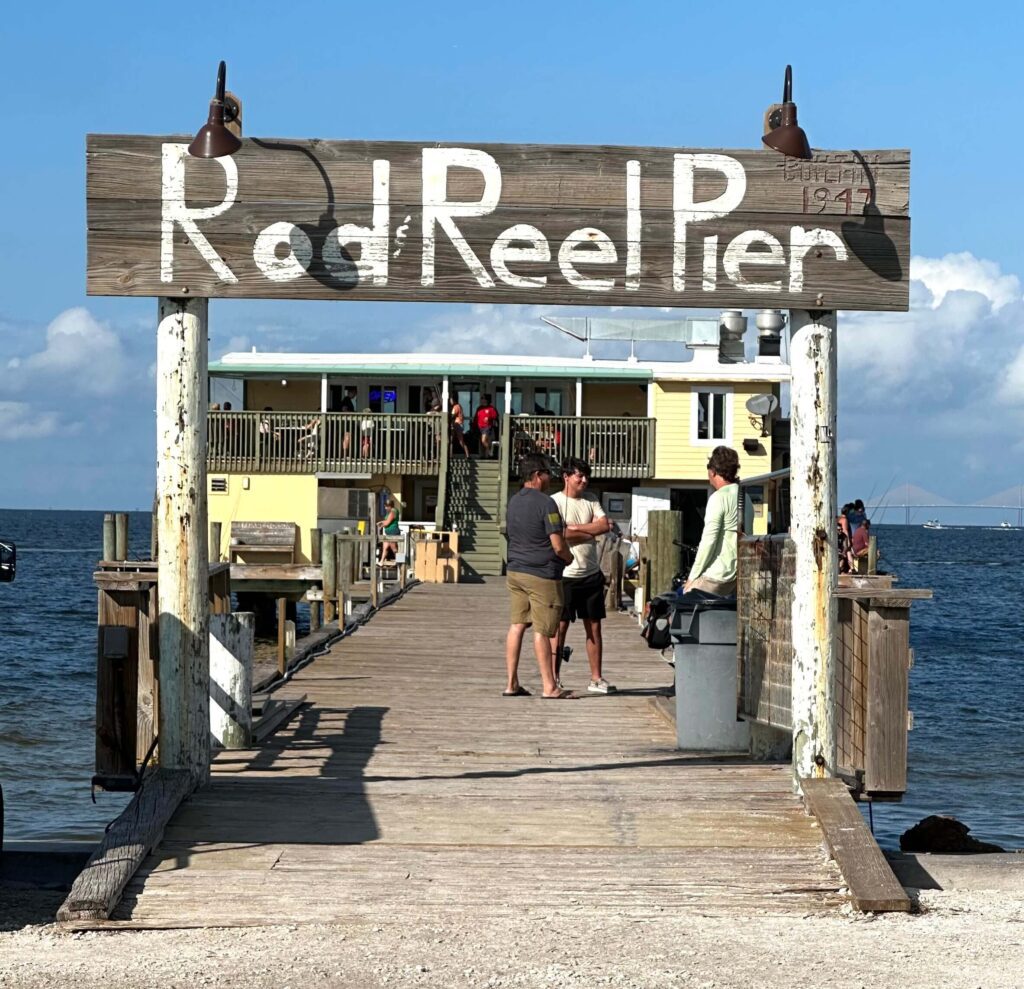
A piece of island history that held generations of memories.
Modern Recognition & Resilience
Over the years, Anna Maria Island has quietly gained national recognition while still holding onto its small-town, Old Florida charm. In 2013, Forbes named the island the third prettiest city in the country, and in 2015, Condé Nast Traveler recognized it as one of the top 10 island beaches for perfect sand. More recently, in 2024, Travel + Leisure included it among the 50 Best Places to Travel, a testament to its timeless appeal and growing popularity among travelers seeking a more relaxed coastal experience.
That same year, Anna Maria Island faced one of the most challenging moments in its modern history. Two powerful hurricanes brought significant flooding, debris, and what many described as a 100-year flood to the community. Historic areas, homes, and beloved landmarks were impacted, and the damage was felt across the island.
Yet, in true Anna Maria Island fashion, the community responded with remarkable resilience. Locals, business owners, and returning visitors rallied together to support recovery efforts, rebuild, and restore the island’s welcoming spirit. Today, the beaches are open, restaurants and shops are back to business, and the island continues to welcome guests just as it always has, with warmth, charm, and a strong sense of community.
Now attracting nearly a million visitors each year, Anna Maria Island remains a place where history, resilience, and preservation quietly coexist, shaped as much by its past as by the people who continue to return.
Plan Your Visit to Anna Maria Island
If you’re planning a trip, exploring the island’s history is just one part of the experience. Here are a few guides to help you make the most of your time on Anna Maria Island:
- Where to stay ‚ Short-Stay Accommodations on Anna Maria Island: My Insider Guide
- Where to eat · Anna Maria Island Restaurant Guide
- Best sunset experiences· Best Sunset Cruise on Anna Maria Island: My Insider Guide
- Wildlife & nature · Birdwatching on Anna Maria Island: My Insider Guide
- Things to do · Best Family Activities on Anna Maria Island: My Insider Guide
Coastal Close
Anna Maria Island has always been a place that resists the pull of overdevelopment, and that quiet resistance is exactly what makes it worth understanding. The sugar-white sand and pastel cottages feel the way they do because generations of people chose to keep it that way. Whether you are visiting for the first time or the fiftieth, the history here adds something to every walk down Pine Avenue, every glance at the City Pier, and every unhurried morning on the Gulf.
For everything you need to plan your time on the island, my Dining on Anna Maria Island: My Insider Guide is the best place to start, and my Anna Maria Island Restaurant Guide on Etsy is worth grabbing before you go.
— izzy