
Updated: August 2026
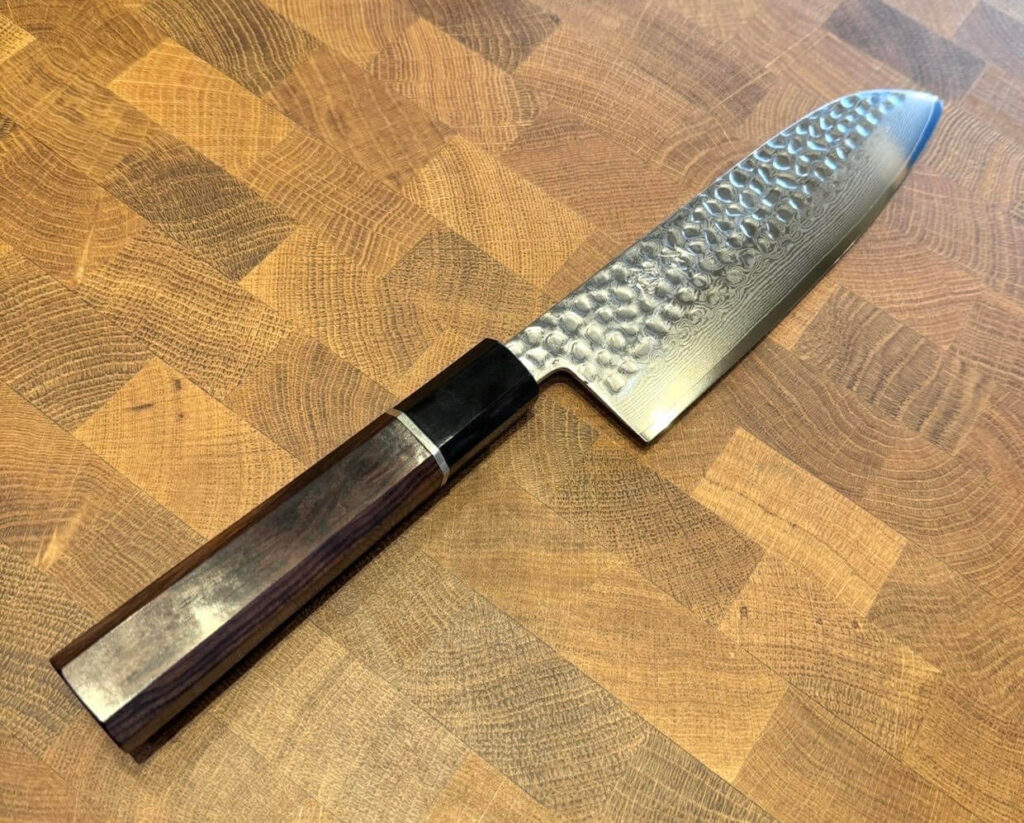
My daughter and I did not plan on buying knives in Kyoto. We ducked into Yoshimune Knives Annex near Nishiki Market mostly out of curiosity, and we both walked out with a santoku. Japanese knives carry centuries of craftsmanship behind them, rooted in the same techniques once used to forge samurai swords, and that history shows up in how they feel in your hand. Once you understand the different types and what each one is built for, choosing your first blade gets a lot less intimidating.
Each knife below serves a distinct purpose in Japanese cuisine. Here is a breakdown of the main types, what makes each one unique, and how to choose the right one for your cooking style. If you are still in the early stages of building out your itinerary, my Japlanning 101: Your Crash Course to an Epic Trip is a good place to start before diving into the details below.
Choosing Your Ideal Knife
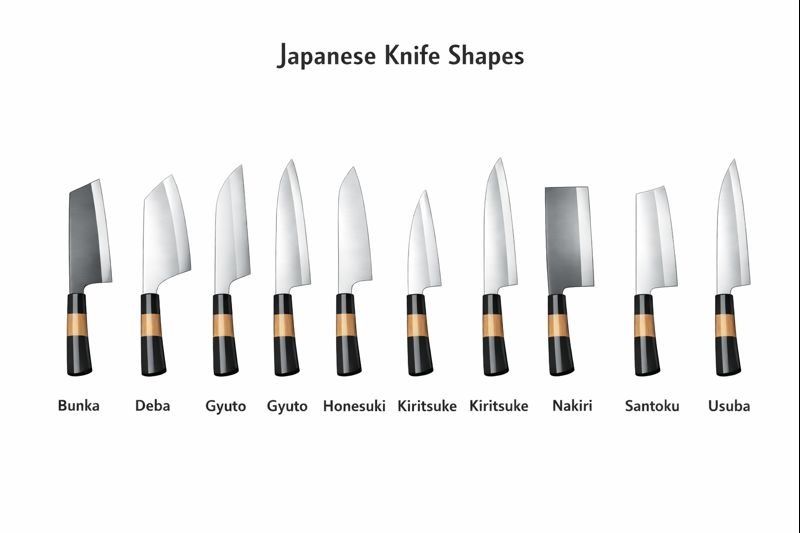
Bunka — A compact, versatile blade known for its wide profile and sharply pointed k-tip. Shorter than a gyuto, it excels at vegetable prep and fine detail work, and its flat edge makes it ideal for push-cutting. A great entry point into Japanese knives for beginners and experienced cooks alike.
Deba — A thick, single-bevel blade built for filleting fish and cutting through small bones. It looks intimidating but is essential for anyone preparing fresh seafood at home. Pairs well with a yanagiba for a complete seafood prep set. Best for intermediate to advanced cooks.
Gyuto — The Japanese counterpart to a Western chef’s knife, and often the best starting point into Japanese blades. Lighter and thinner than most Western knives, with a gently curved edge that handles slicing, chopping, and mincing with ease. Suitable for all skill levels.
Honesuki — A triangular, single-bevel blade designed for boning poultry. Lighter and more maneuverable than a cleaver, it gives precise control around joints and cartilage. Best for intermediate to advanced cooks working with whole chickens or small meats.
Kiritsuke — One of the most traditionally revered Japanese knives, historically reserved for executive chefs. It combines the slicing precision of a yanagiba with the vegetable work of a usuba. Requires confidence and technique, so it suits experienced cooks best.
Nakiri — A straight, rectangular vegetable knife that makes push-cutting simple and clean. Lightweight and easy to handle, with a wide blade that doubles as a scoop for transferring chopped ingredients. A reliable everyday choice for all skill levels.
Santoku — One of the most popular knives for home kitchens. The name means “three virtues,” reflecting its ability to handle meat, fish, and vegetables equally well. Shorter and wider than a gyuto, with a rounded tip suited to chopping and slicing. Ideal for beginners.
A quick personal note: my daughter and I each bought a santoku knife at Yoshimune Knives Annex in Kyoto. It cuts like butter, easily one of the best purchases from the trip. We also picked up a saya, the blade cover that slides over the edge for safe storage and travel.
One tip straight from the salesperson: avoid cutting spaghetti squash with it. The rolling motion needed to cut through the squash can risk dislodging the blade from the handle over time. Everything else has been smooth cutting.
Usuba — A thin, straight, single-bevel vegetable knife prized for intricate, paper-thin cuts. Mostly used by professional chefs for decorative work, and it requires regular sharpening to maintain its edge. Best suited for experienced cooks.
Yanagiba — A long, slender, single-bevel blade built specifically for slicing raw fish for sashimi and sushi. Requires a push- or pull-cutting technique rather than a rocking motion. Pairs with a deba for a full traditional seafood set, and suits experienced cooks or aspiring sushi chefs best.
| Knife | Shape | Best For | Skill Level |
|---|---|---|---|
| Bunka | Wide blade, flat profile, k-tip | Chopping, slicing, detail work | All levels |
| Deba | Thick, heavy, single-bevel | Filleting fish, small bones | Intermediate to advanced |
| Gyuto | Gently curved, pointed tip | All-purpose prep | All levels |
| Honesuki | Triangular, single-bevel | Boning poultry | Intermediate to advanced |
| Kiritsuke | Long, slender, angled tip | Fish, vegetables, meat | Experienced |
| Nakiri | Straight-edged rectangle | Vegetable chopping | All levels |
| Santoku | Wide, sheepsfoot tip | General purpose | Beginners to experienced |
| Usuba | Thin, straight, single-bevel | Decorative vegetable work | Experienced/pro |
| Yanagiba | Long, narrow, single-bevel | Sashimi and sushi slicing | Experienced |
Quick Tips on Choosing a Brand
For everyday use, Tojiro, MAC, and Global offer great performance at accessible prices. For a stylish upgrade, Shun and Miyabi blend design with top-tier performance. For professional-level quality, Misono, Masamune, and traditional Sakai Takayuki knives are favored by chefs and collectors.
Best Places to Buy Japanese Knives
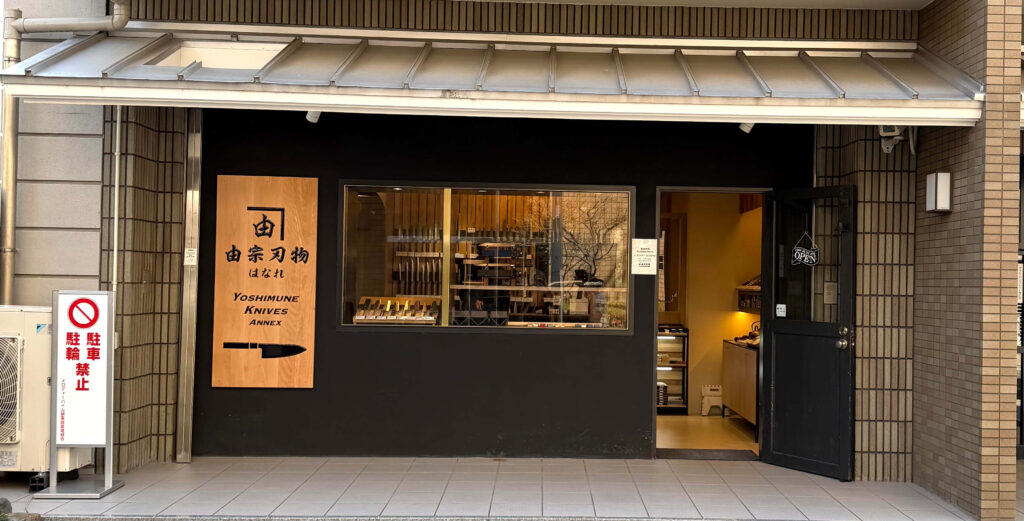
Kappabashi-dori, Tokyo is known as Kitchen Town, a street near Asakusa lined with shops offering both traditional and high-end blades. Nishiki Market in Kyoto is home to Aritsugu, a knife shop with centuries of craftsmanship behind it. Tsukiji Outer Market in Tokyo has several retailers that offer engraving, so you can personalize your purchase. My own santoku came from Yoshimune Knives Annex, also in Kyoto, where the staff walked us through care instructions on the spot.
If you plan to shop for knives in person, it is worth brushing up on a few basic phrases beforehand. My Guide to Useful Japanese Words and Phrases covers what you need to navigate a shop conversation with confidence.
Budget Guide
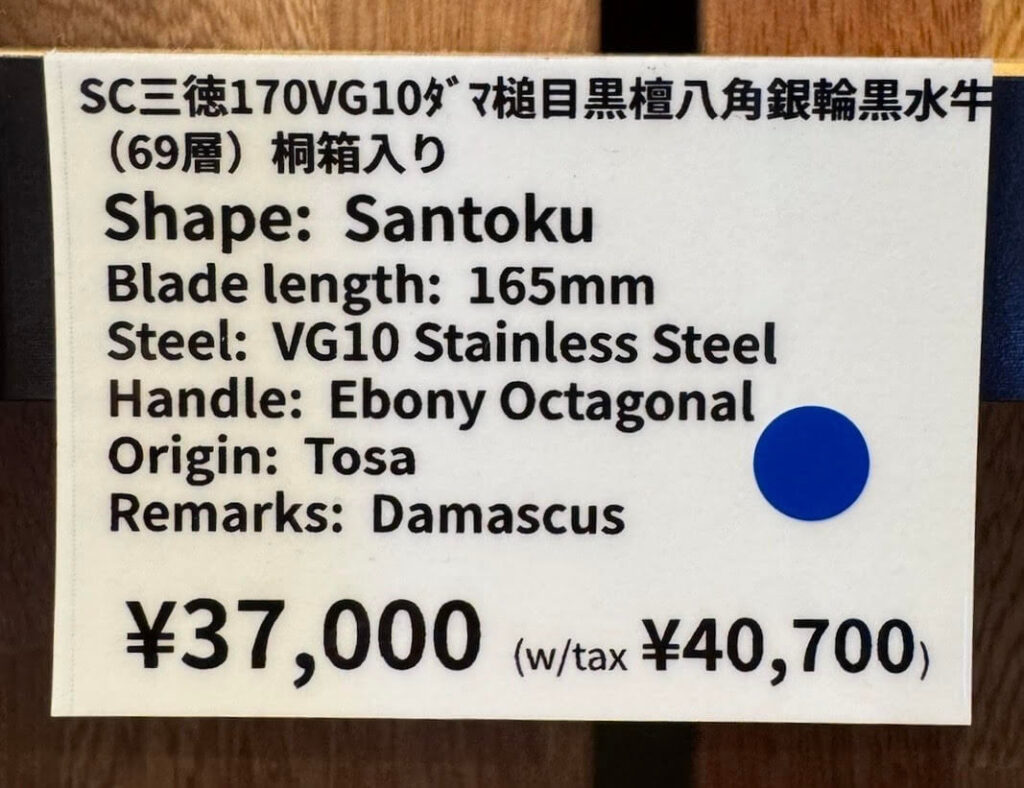
Entry-level options like the Tojiro DP Series, MAC Professional Series, and Global run around $80 to $200 and offer excellent performance for the price. Mid-range picks like the Shun Classic or Miyabi 5000MCD run $200 to $400 and bring higher-quality steel and elegant design. Professional and collector-grade knives from Masamoto, Misono UX10, or Sakai Takayuki start around $400 and deliver artisanal craftsmanship and exceptional sharpness. Start with one versatile knife, like a gyuto or santoku, before expanding your collection.
Knife Care & Maintenance
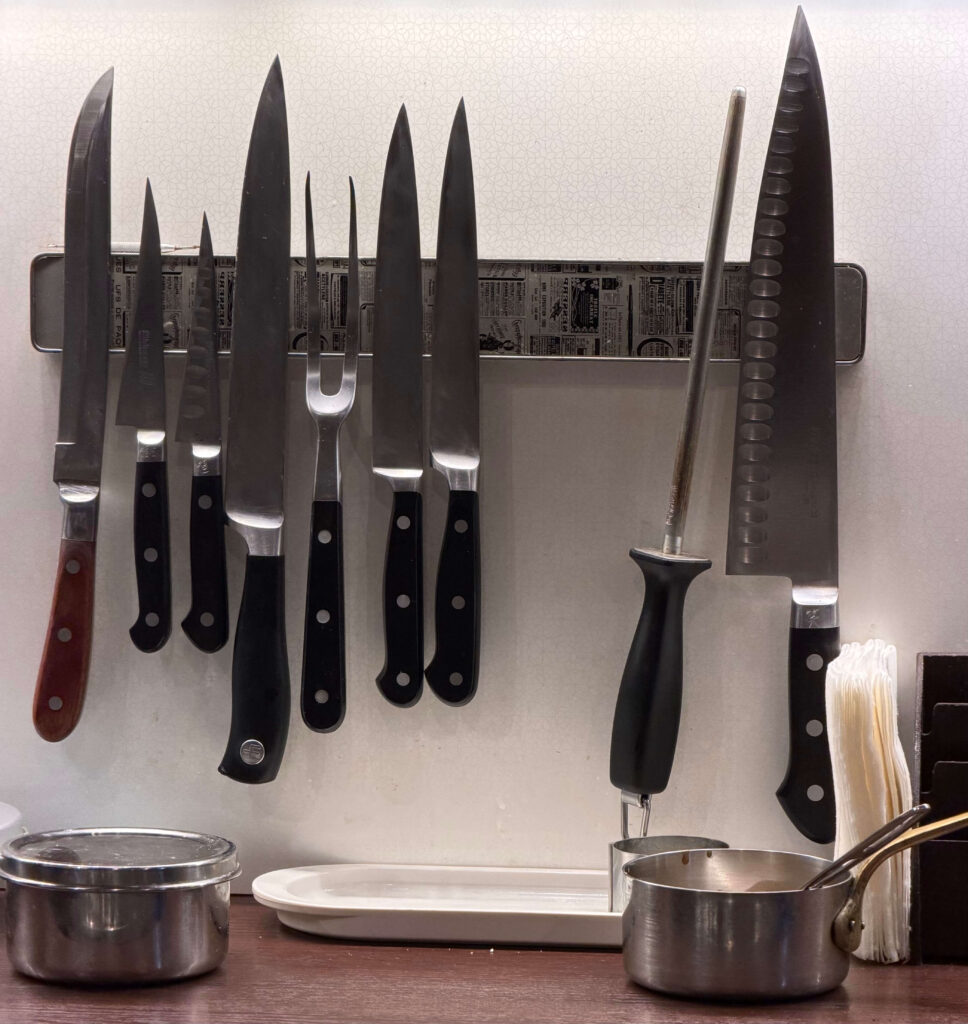
Invest in a water stone for sharpening and hone the blade regularly between sharpenings. Always hand wash with mild soap and dry immediately, never a dishwasher, since it dulls blades and damages handles. We handwash ours every time, no exceptions, which keeps the edge in the same condition as the day we bought it. Store knives in a wooden block, magnetic strip, or sheath, like the setup above from Kyoto Gion Teppanyaki Plancha, rather than tossing them in a drawer.
If you are curious how these knives show up at the table rather than just the cutting board, my Ultimate Guide to Chopstick Etiquette in Japan is a natural next read, since good knife work and good table manners tend to go hand in hand in Japanese dining culture.
Japan Close
My santoku has become one of my favorite souvenirs from that trip, not just because of how well it cuts, but because of the story behind it. Start with a gyuto or santoku if you are building your first collection, then branch out into specialized blades like the yanagiba, deba, or usuba as you get more comfortable. Keep them sharp, hand wash them every time, and they will outlast almost anything else in your kitchen.
— izzy