
Updated: August 2026
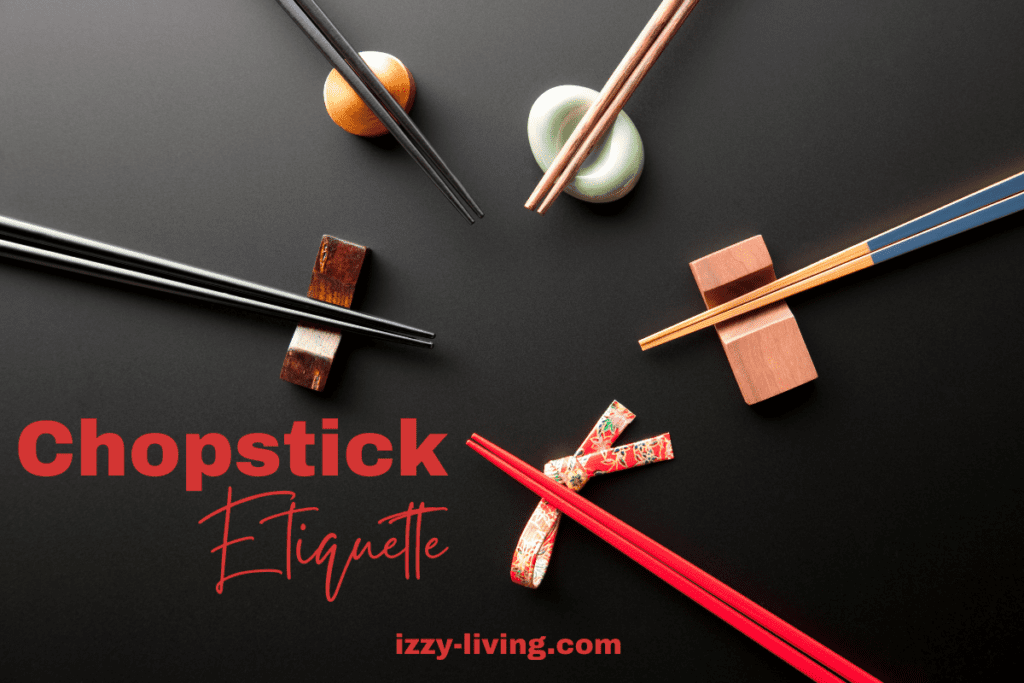
Chopstick etiquette in Japan isn’t just about table manners — it’s a quiet reflection of respect, awareness, and appreciation for the moment in front of you. What looks like simple eating is layered with tradition, and even if you’ve used chopsticks before, Japanese dining culture has its own rhythm. Once you slow down and observe it, everything clicks.
A Simple Way to Start: How to Hold Chopsticks
Everything begins with the grip.
The lower chopstick stays anchored between your thumb and ring finger — it doesn’t move. The upper chopstick is controlled by your thumb, index, and middle fingers, and this is the one that does the work. Hold them about two-thirds from the top for the most natural, balanced motion.
It feels awkward at first. Give it a meal or two.
Chopsticks Are Not for Gestures
In Japan, chopsticks are eating tools only — not extensions of your hands. Avoid pointing at people, waving them while talking, or tapping them on dishes. If you’re not eating, they should be still.
The Subtle Mistakes That Stand Out
Some habits feel natural but carry unintended signals in Japanese dining culture.
Avoid stabbing food even when it’s hard to pick up — dishes are intentionally prepared in bite-sized portions meant to be lifted gently. Beyond that, licking chopsticks, holding them in your mouth, picking through shared dishes for specific pieces, or hovering indecisively over multiple bowls can all read as impatient or unaware in a shared dining setting.
One more to know: avoid rubbing disposable chopsticks together to remove splinters. It can signal to your host that you think their utensils are cheap. If there’s a splinter, just pluck it off discreetly.
None of it is meant to be rude. It just stands out.
Sharing Food: The Unspoken Rules
Meals in Japan are often communal, and how you interact with shared dishes matters.
Use serving utensils when provided rather than your personal chopsticks. Never pass food directly from your chopsticks to another person’s — this mirrors a funeral ritual and is strongly avoided. Instead, place food on a shared plate and let others serve themselves.
It’s a simple system, and it keeps the table comfortable for everyone.
Chopstick Placement Matters
Never stick chopsticks upright into rice — this is associated with funeral offerings and considered bad luck. Avoid crossing them over bowls or resting them directly on plates. When a chopstick rest is available, use it. When it isn’t, place them neatly parallel on the table with tips facing left.
If you’re using disposable chopsticks, returning them to their paper sleeve when you’re finished is a small but noticed gesture of care.
Chopstick Wrapper Origami Holder
On one visit, our server showed us something we wouldn’t have noticed on our own.
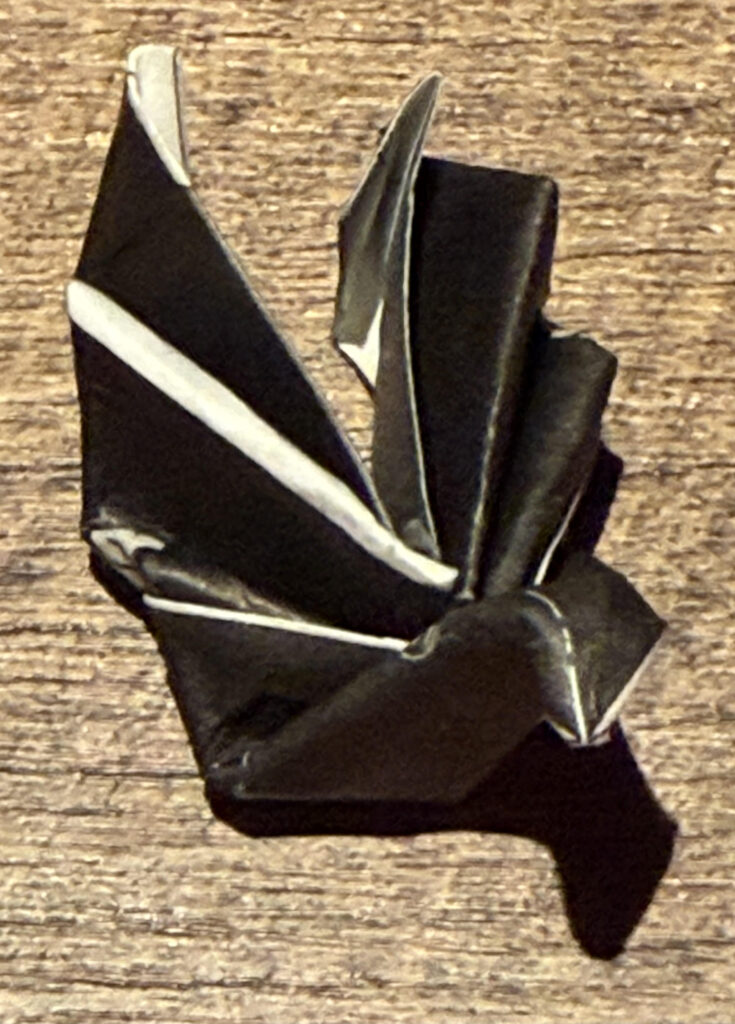
Instead of discarding the wrapper from disposable waribashi, they folded it into a small stand — a neat little chopstick rest that kept the tips off the table. It took seconds and looked deliberate.
Start by unfolding the wrapper into a flat strip, then fold it into a small triangle or stand shape. In just a few folds it becomes a functional hashi-oki, especially useful when one isn’t provided at the table.
It’s the kind of detail you don’t necessarily need — but end up remembering.
A Cultural Thread You’ll Notice Across Japan
There are a lot of don’ts when it comes to chopsticks in Japan, but they all point to one idea: respect for the shared experience. If you’ve read my Japlanning 101: Your Crash Course to an Epic Trip guide, you’ll recognize the theme — Japan rewards observation. The more attention you bring to the table, the more natural everything feels.
Stop focusing on the rules, and start noticing the rhythm.
Japan Close
Chopstick etiquette isn’t something you master before you go — it’s something you absorb once you’re there. Pay attention, follow the pace of the table around you, and the rest takes care of itself.
— izzy