
Updated: August 2026
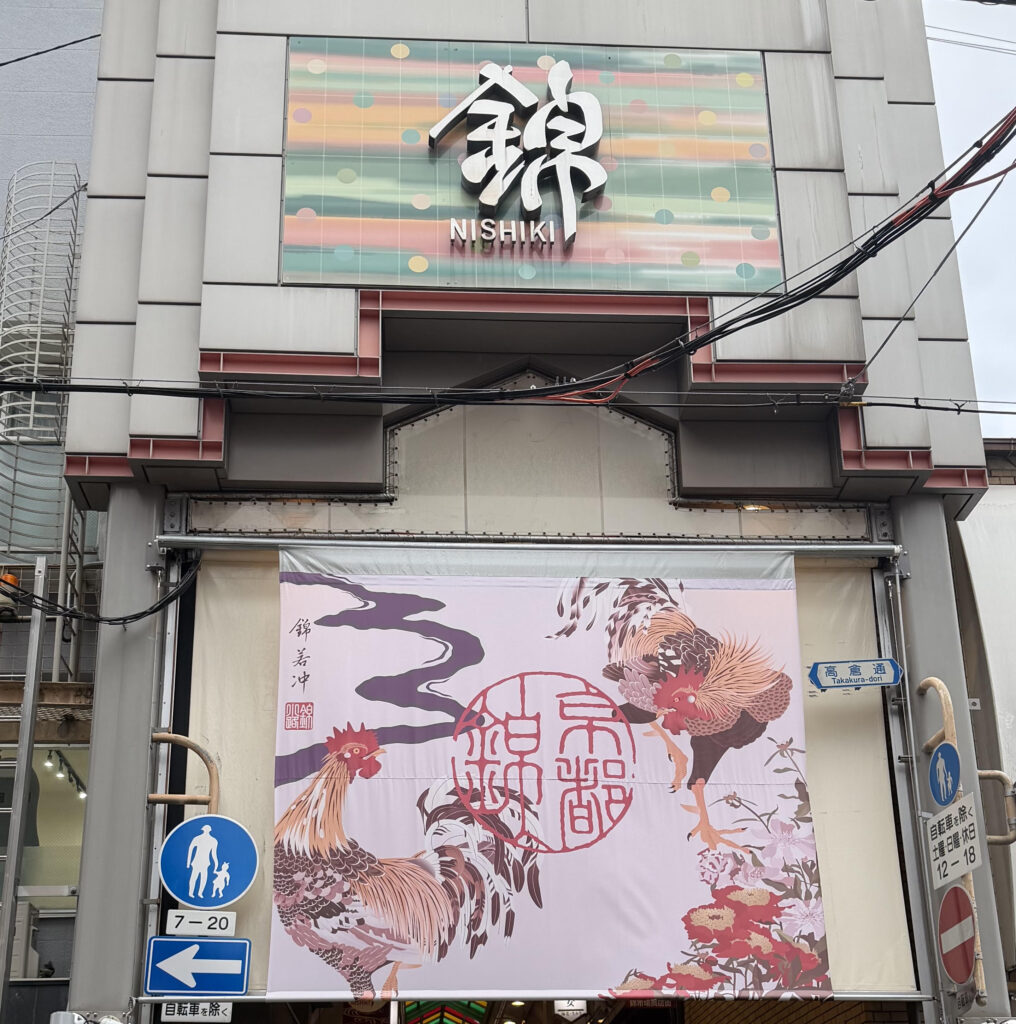
Often called Kyoto’s Kitchen, Nishiki Market is one of the best places to experience the city’s food culture in a single afternoon. It began as a fish market back in 1310 and has grown into Kyoto’s largest and most beloved traditional food market, a narrow, covered street lined with over 100 stalls selling everything from fresh seafood to delicate sweets.
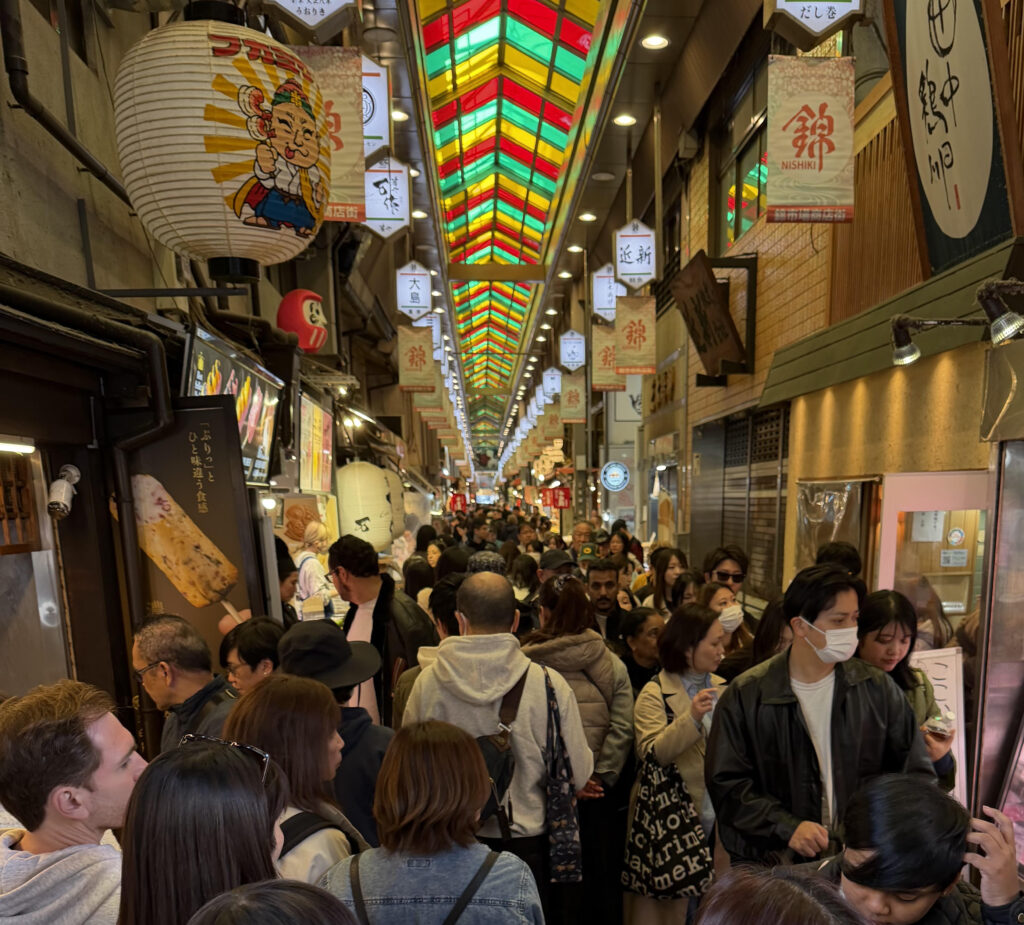
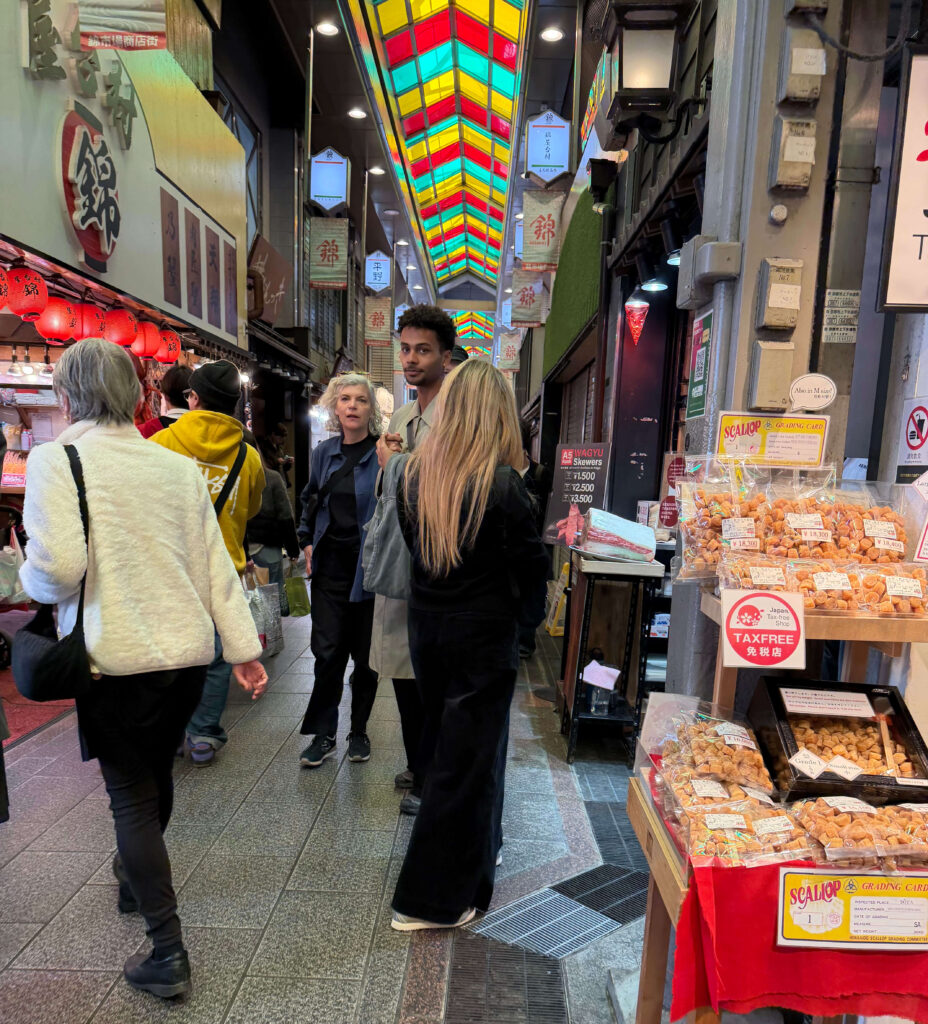
Walking through is sensory overload in the best way: sizzling grills, rich aromas, and colorful displays packed into a five-block stretch under the market’s iconic yellow, red, and green roof.
A Bit of History
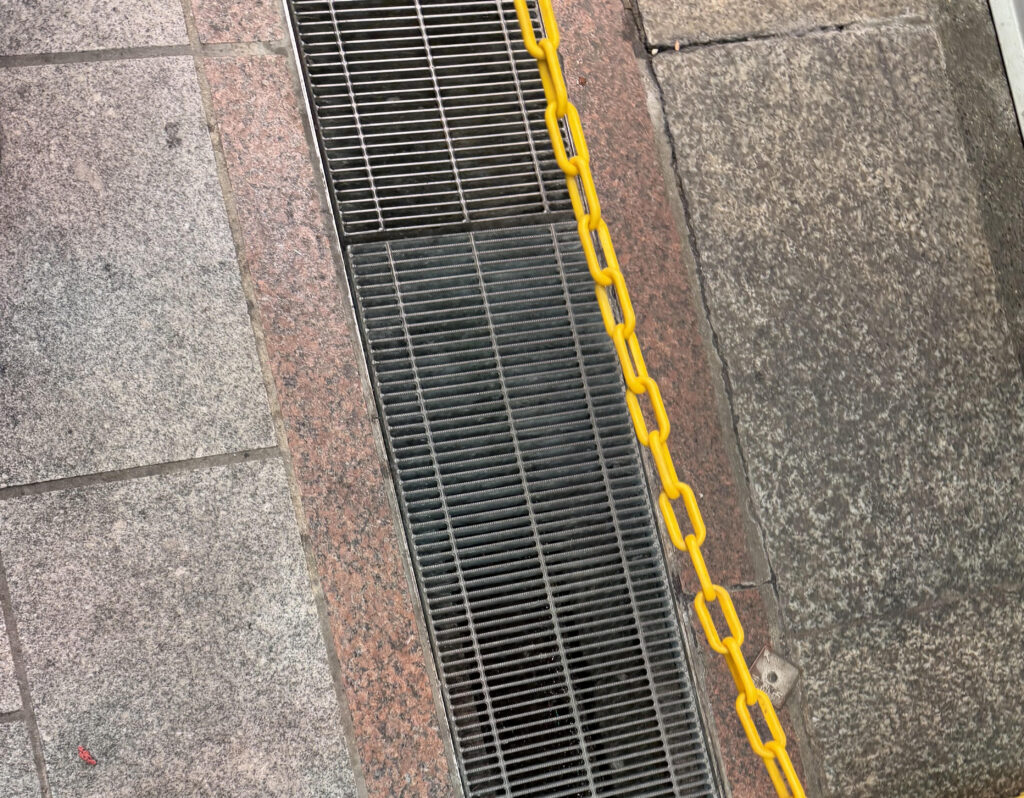
Food has been sold on this street since the 700s, but what made it stick was the cold, clean groundwater running beneath it. Shop owners dug wells here long before refrigeration existed, using the water to keep storage cellars naturally cool. That system turned Nishiki into both a marketplace and a supply hub for Kyoto’s restaurants and nobility. Those grates spotted underfoot are part of that original system. Standing on the market’s stone floor means walking over part of it, and several shops still credit that same groundwater for the quality of their food today.
Getting There
Nishiki Market sits one block north of Shijō Street, just west of Teramachi Street. From Kyoto Station, take the Karasuma Subway Line to Shijō Station and walk five minutes east. It is also about a 20-minute walk from Gion. The market is open daily from 9:30 AM to 6:00 PM, though many individual shops close on Wednesdays or Sundays, so plan around that if there is a specific stall to hit.
The market’s covered, colorful ceiling is not just decorative. It shields the street from sun and rain, filters the light into a soft, even glow, and helps keep the temperature more comfortable even in the middle of summer. It is part of why Nishiki feels walkable no matter when you visit.
What to Eat
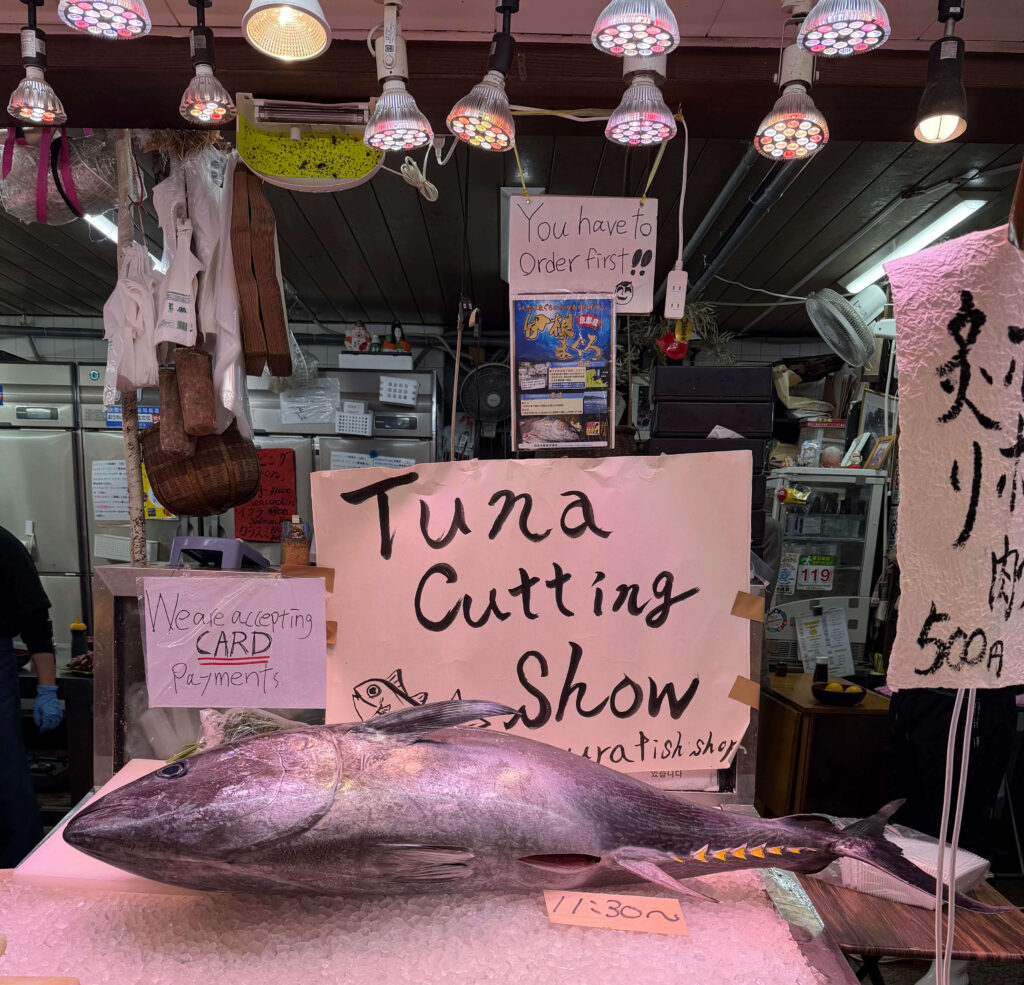
Fresh seafood is the backbone of the market. Watching a vendor slice, grill, and plate a piece of fish in seconds is half the experience, and saba sushi, Kyoto’s mackerel specialty, is worth seeking out specifically.
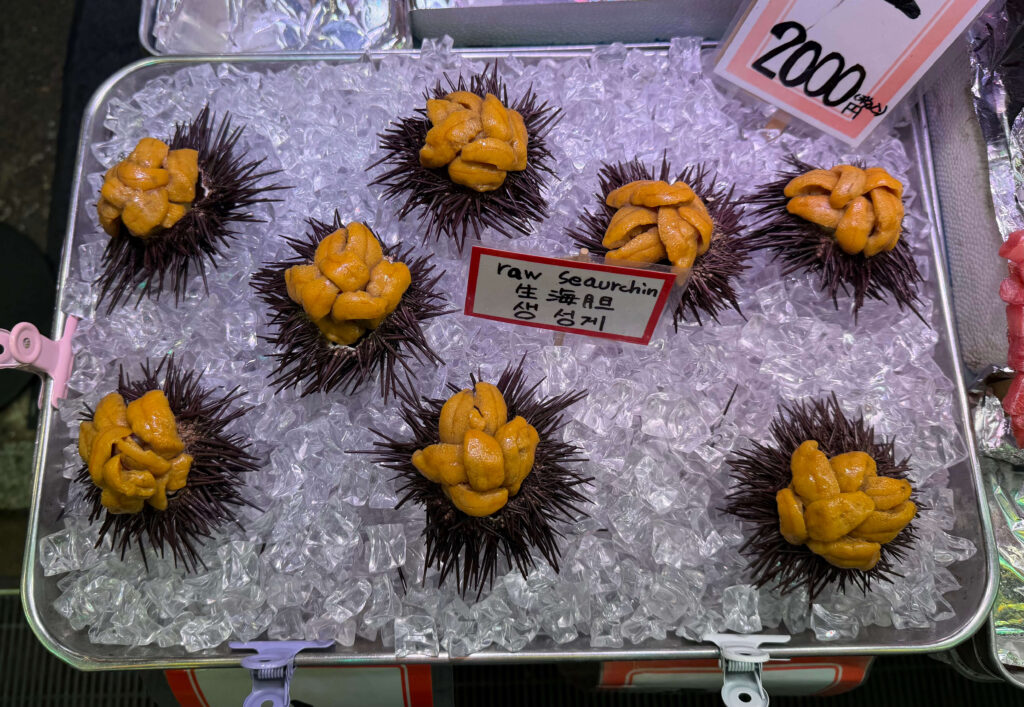
Beyond seafood, Kyoto’s home-style cooking shows up everywhere: yuba (tofu skin), tsukemono (pickles), dashimaki tamago (a dashi-infused rolled omelet), and wagashi, seasonal sweets built around subtlety rather than bold flavor.
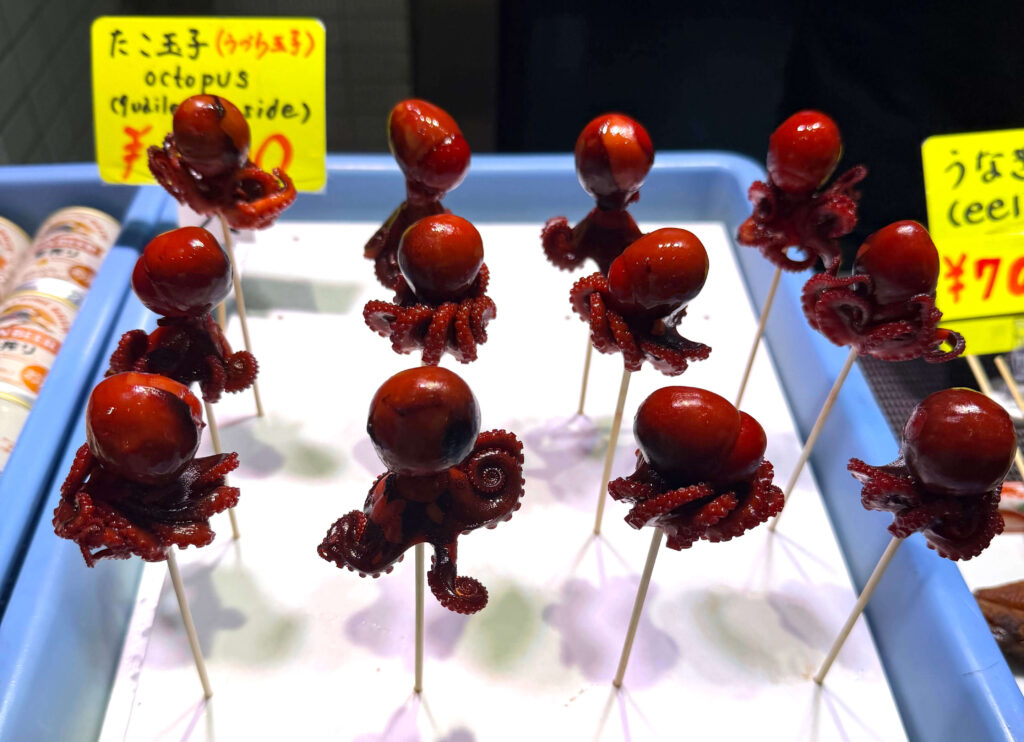
Some of the more eye-catching bites include tako tamago, baby octopus glazed in sweet soy and stuffed with a quail egg, and unagi (freshwater eel), often grilled over binchotan charcoal for a clean, smoky finish.
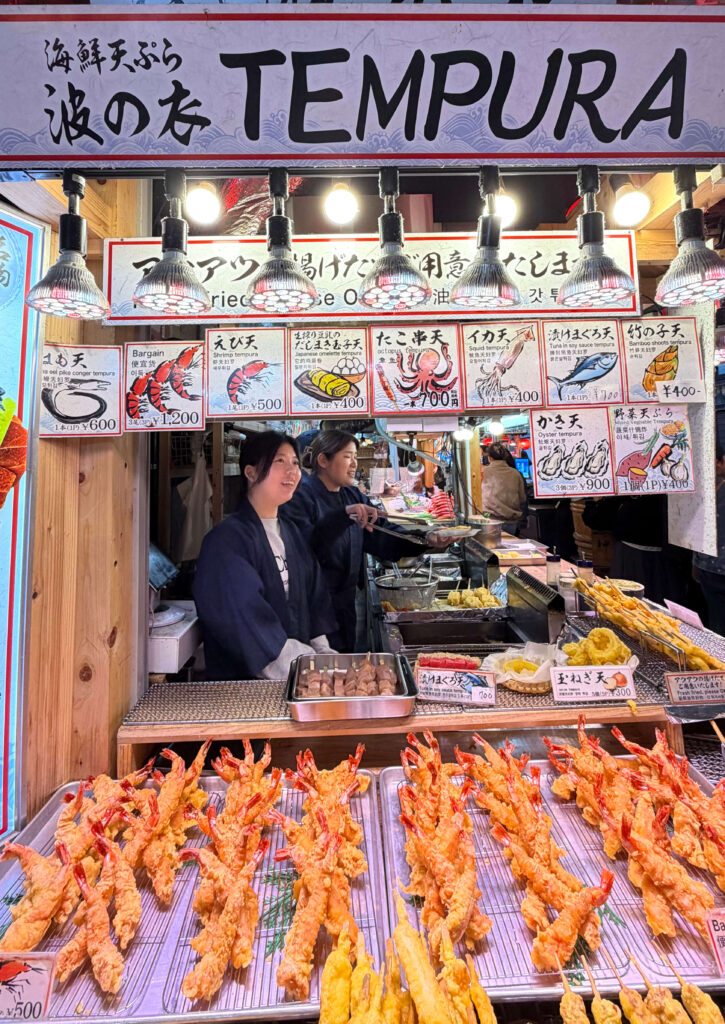
(Photo: shrimp tempura on a white plate) (Photo: tons of tempura shrimp)
Tempura shows up often too, shrimp especially, alongside senbei rice crackers and skewered yakitori.
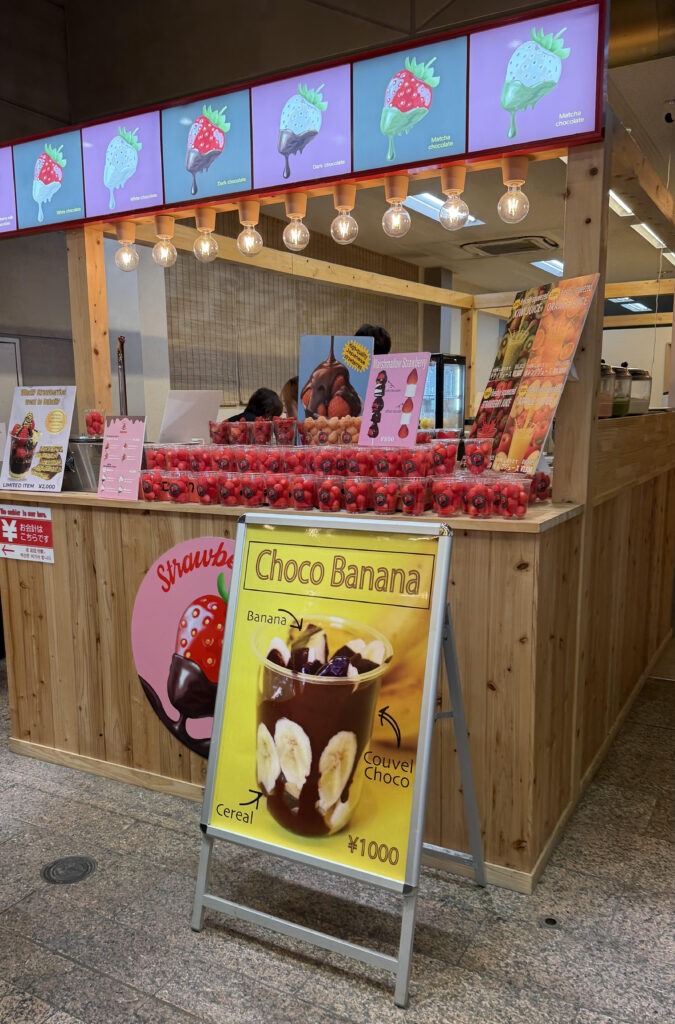
On the sweeter side, mochi, taiyaki, and warabimochi are everywhere, and seasonal fruit, strawberries especially, show up in everything from fresh stalls to mochi to full desserts.
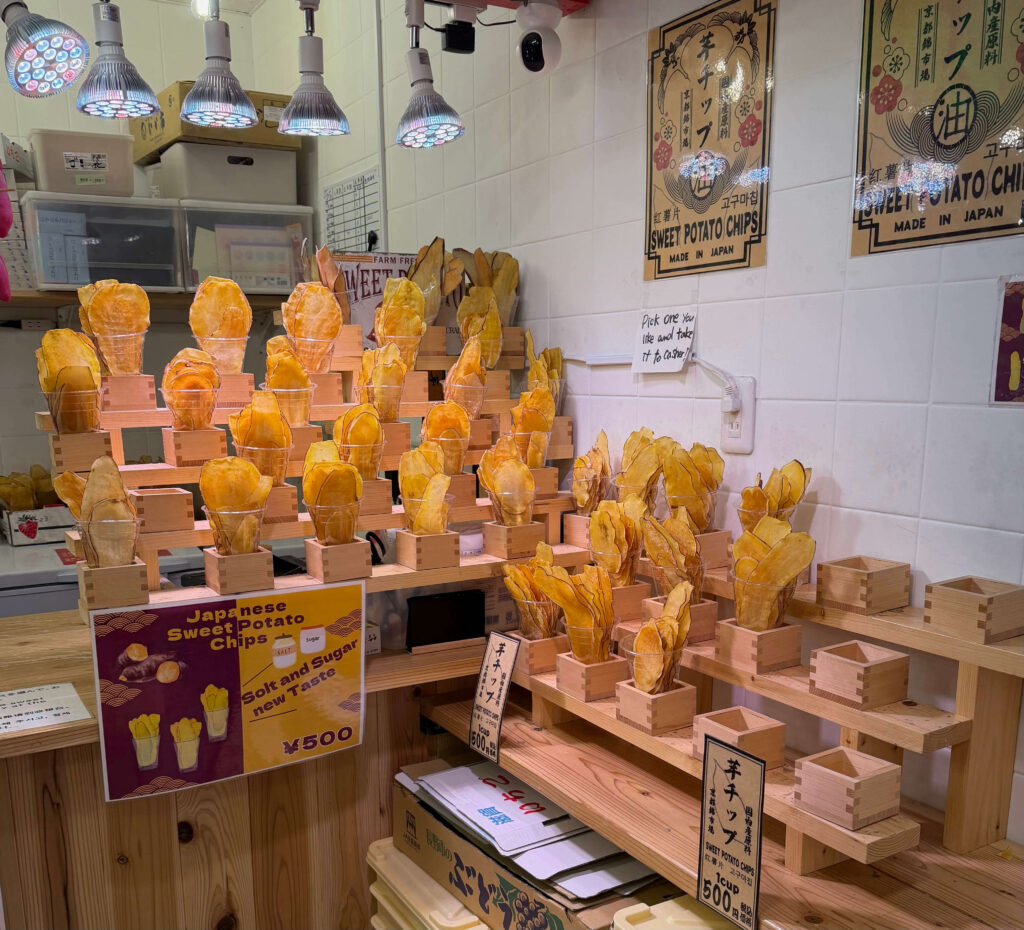
Root vegetable chips and other snackable finds round out the walk, easy to grab and eat while moving between stalls.
Stalls Worth Seeking Out
Kimura, one of the oldest fish shops in the market with roots dating back to the 1600s, allows you to point to your choice of fish and have it filleted or grilled on the spot. Do not miss the fresh fish skewers, especially the tuna and pickled salmon.
Daiyasu has served oysters since 1921, when the current owner’s great-grandfather sold Hiroshima oysters from a boat before eventually opening this storefront. Today it is raw, steamed, fried, or baked into a gratin, plus fresh sashimi and Kyoto-style home cooking in a dining area that opens onto a small garden.
Miki Keiran, founded in 1928, is a Kyoto institution for dashimaki tamago. Watch the rows of long copper pans as eggs and dashi are rapidly rolled by hand, a technique that takes decades to master.
Notoyo, the west branch of a river fish specialist, is known for kabayaki-style unagi grilled over binchotan charcoal. For adventurous eaters, they also serve grilled sparrow, a traditional and somewhat infamous Kyoto dish.
Sawawa, a matcha specialty shop from Uji, grinds its matcha on-site in a traditional stone mortar. The warabimochi here is kneaded directly with matcha for a deep, earthy flavor.
Aritsugu, founded in 1560, is one of Japan’s most respected knife makers, and its wall of handcrafted blades is worth a look even for those not buying.
Kidoairaku is a small pottery shop run by a husband-and-wife team, with the potter’s wheel set up right in the storefront, so visitors may catch a piece being shaped mid-visit. The kiln sits out back in a traditional machiya building, and the shop also offers tastings of sake from Tanzan Sake Brewery.
Ichihara Heibei Shōten carries roughly 400 types of chopsticks, from everyday cooking pairs to elegant lacquered sets, tucked just off the main strip, with friendly, English-speaking staff happy to help find the right pair. For the do’s and don’ts once you have picked a set, my Chopstick Etiquette in Japan: Rules You Need to Know covers the habits worth knowing before your next meal.
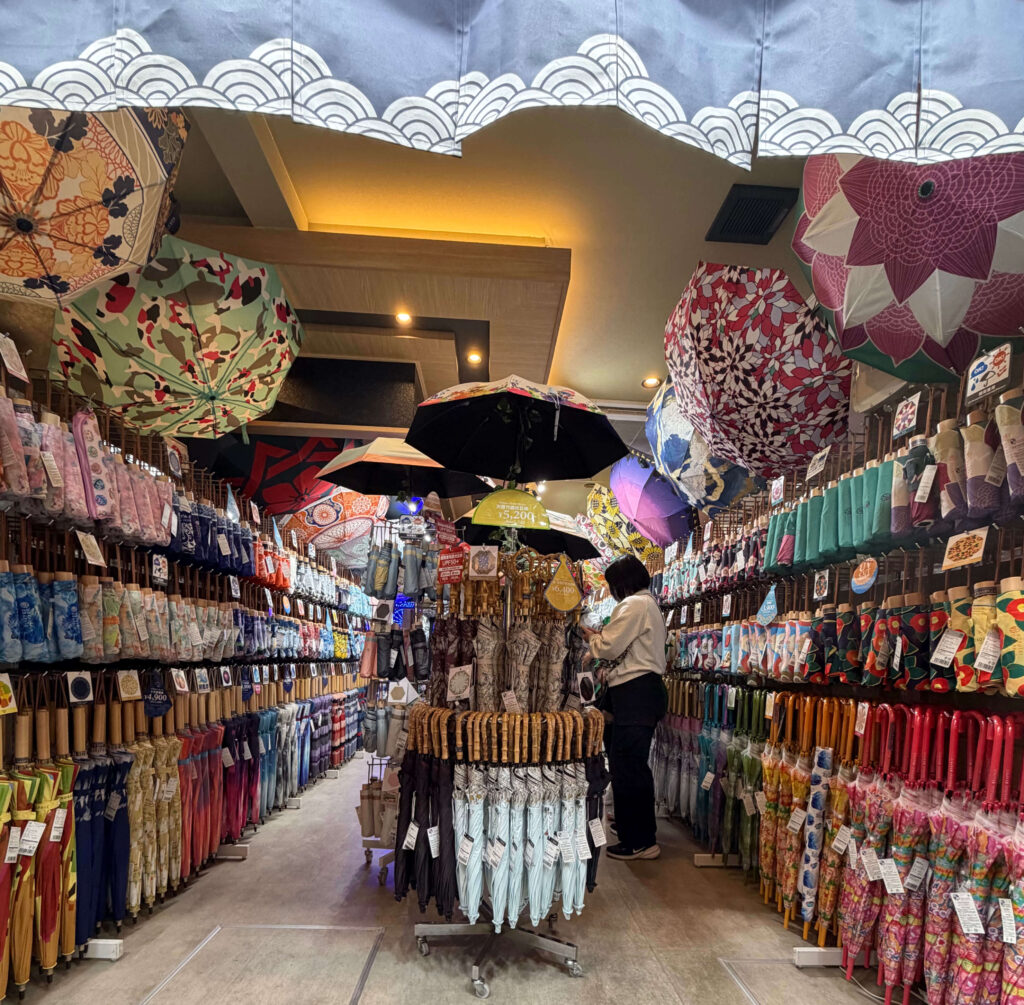
A handful of non-food shops round out the street too, including a small umbrella shop worth a quick look for those browsing rather than eating.
Tips for Visiting Nishiki Market
Bring cash, since most vendors prefer it. Standing and eating is not always fair game here either. Many stalls expect guests to eat right at the stall rather than walk with food, and some even have a designated standing spot. Watch what locals do and follow their lead.
Not everything is what it looks like, either. That skewer with the baby octopus has a quail egg tucked inside its head, and between the pickles, dried seafood, and other unfamiliar bites, half the fun is figuring out what is actually being eaten before asking.
It is also worth brushing up on both basic phrases and eating etiquette beforehand. My guides to Japanese Words and Phrases and the Chopstick Etiquette in Japan: Rules You Need to Know both cover the small habits that go a long way here.
Japan Close
Nishiki Market rewards wandering more than planning. Pick a few stalls that stand out, follow the smell of whatever is grilling, and let the rest of the afternoon fill in on its own. For help fitting a stop like this into a broader Kyoto or Japan itinerary, my Japlanning 101: Your Crash Course to an Epic Trip covers the planning side.
— izzy