
Updated: September 2026
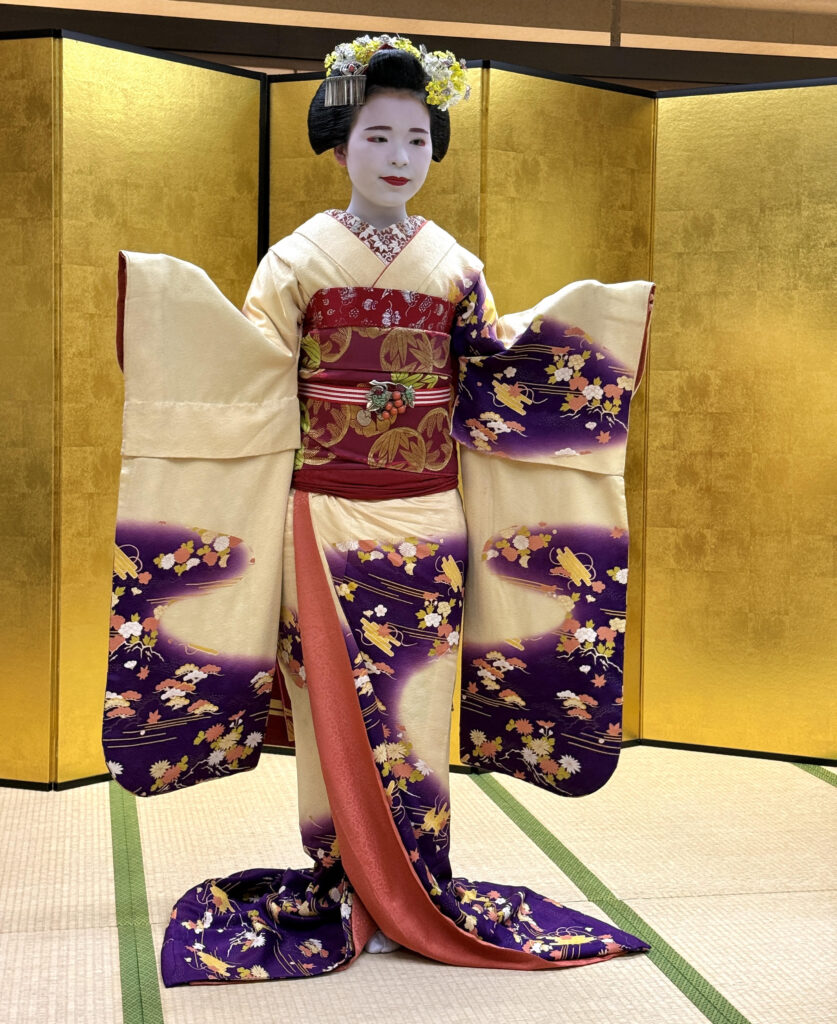
Geisha are one of the most misunderstood figures in Japanese culture, largely thanks to decades of movies and novels that got the story wrong. A geisha is not a performer of any romantic or sexual service. She is a highly trained entertainer, skilled in traditional dance, music, and conversation, whose job is to make guests at a dinner or private gathering feel welcome. Years of training go into that skill, and Kyoto is where that tradition is still taken most seriously.
If Kyoto is on your itinerary, my Japlanning 101: Your Crash Course to an Epic Trip is a good starting point before diving into a topic this specific.
Kyoto Is Geisha Central
Kyoto is the heart of Japan’s geisha world, though locals do not actually use the word geisha. In Kyoto, a fully trained entertainer is called a geiko, pronounced “gay-ko.” Getting there takes about five years of training, and during that apprenticeship a young woman is known as a maiko, pronounced “my-ko.” Kyoto is home to roughly 100 geiko and 100 maiko today. Geisha exist in other cities too, but nowhere else maintains the same level of formal training as Kyoto.
Maiko or Geiko? Here Is How to Tell Them Apart
Once you know what to look for, spotting the difference is easy. A maiko wears a colorful kimono with long, trailing sleeves, styles her own hair into elaborate arrangements, and finishes the look with ornate hairpins called kanzashi. A geiko dresses more simply, in a kimono with shorter sleeves, and wears a wig rather than styling her own hair. The two often appear together at the same events.
Where Geiko Live and Train
During training, a maiko lives at an okiya, a geisha house, under the supervision of a house mother known as the kami-san. Romantic relationships and marriage are off the table during this period. Once a maiko graduates to geiko, she gains more independence and may live on her own, and some eventually open their own bar or okiya. Others leave the profession entirely, often to marry.
Kyoto’s geiko districts, known as hanamachi, are where this entire world is centered. Five remain active today: Gion Kobu, Gion Higashi, Miyagawa-cho, and Pontocho, all clustered in or around the Gion district, plus Kamishichiken near Kitano Tenmangu Shrine. Walking through any of these districts in the late afternoon, past the wooden facades and narrow lanes, feels like stepping into a different century.
What a Geiko Dinner Looks Like
A traditional geiko dinner takes place at an ochaya, a teahouse that provides the tatami room itself while the food and the geiko are arranged separately. Ochaya do not hand guests a bill at the end of the night. Instead, the entire evening, room, food, geiko, even the taxi home, gets added to a running account, billed once a month. That system only works on trust, which is why a new customer traditionally needs an existing customer to vouch for them before an ochaya will accept a reservation at all.
Over the course of the evening, guests eat, drink, and are drawn into conversation by the maiko and geiko in the room. The high point of the night is a seasonal dance performed by the geiko, accompanied by a fellow geiko playing the shamisen.
How Much Does It Cost
None of this comes cheap. Arranged privately through a travel agency, a typical geiko dinner runs around 50,000 yen per maiko or geiko, on top of a meal that runs another 10,000 to 30,000 yen per person.
More Affordable Ways to Experience Geiko Culture
A full private dinner is not the only way in. A daily variety show at Gion Corner gives visitors a look at several traditional Japanese arts in one sitting, including a maiko dance, and runs at a fraction of the cost of a private evening. During April, the Miyako Odori adds another option, with hour-long dance performances held daily on the stage of the Gion Kobu Kaburenjo theater.
This post contains affiliate links. If you make a purchase through one of my links, I may earn a small commission at no additional cost to you.
A few small group tours are worth booking in advance too: Klook lists a Kyoto Geisha Districts Half-Day Private Cultural Tour through Pontocho, Gion, and Miyagawa-cho, and a standalone 1-Hour Geisha/Maiko Show for those who want the performance without the walking tour.
If you would rather become the geisha for an afternoon, several studios around the city offer maiko henshin, a full transformation into maiko hair, makeup, and kimono, often followed by a photo session at some of Kyoto’s most photogenic corners. For anyone who wants the photos without the hour in the makeup chair, a plain Kyoto Kimono Rental Experience is available all over the city.
Where to Buy a Kimono of Your Own
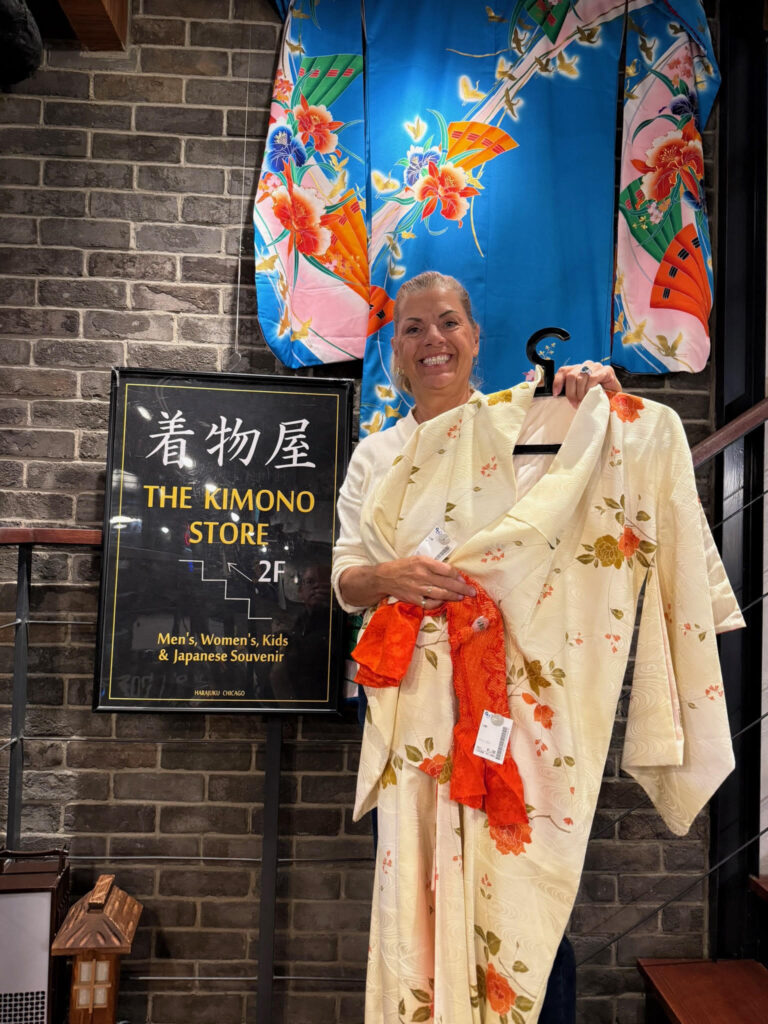
Renting is not the only route. For a kimono to actually keep, Nishijin is the place to start. This district in the north of the city has woven textiles for over a thousand years, and the Nishijin Textile Center still sells kimono, obi, and fabric by the bolt straight from the source.
For something secondhand and considerably cheaper, Kyoto’s two big monthly markets are worth timing a visit around. Toji Temple hosts the Kobo-san market on the 21st of every month, with kimono and kimono fabric mixed in among the antiques and pottery. Kitano Tenmangu Shrine runs the Tenjin-san market on the 25th, with close to a thousand stalls of secondhand clothing, kimono, and kimono fabric at prices well below what a shop in central Kyoto would charge.
Kyoto’s Geisha Dances
Each spring and fall, Kyoto’s geiko districts put on public dance performances that are, by far, the easiest way to see a large number of geiko and maiko at once.
- Miyako Odori (daily throughout April): The biggest and most polished of the five, staged by the geiko of Gion Kobu.
- Kyo Odori (first three Sundays of April): Nearly as grand as Miyako Odori, put on by the Miyagawa-cho district.
- Kitano Odori (April 15 to 25): A smaller, more intimate show from the Kamishichiken district in the northwest of the city.
- Kamogawa Odori (May 1 to 24): Performed by the geiko of Pontocho.
- Gion Odori (November 1 to 10): A shorter show in a smaller venue, staged by the Gion Higashi district.
Tickets are usually available at the venue box office on the day of the show, though high-end hotels and ryokan can often help secure them in advance.
Where and When to Actually See Geiko
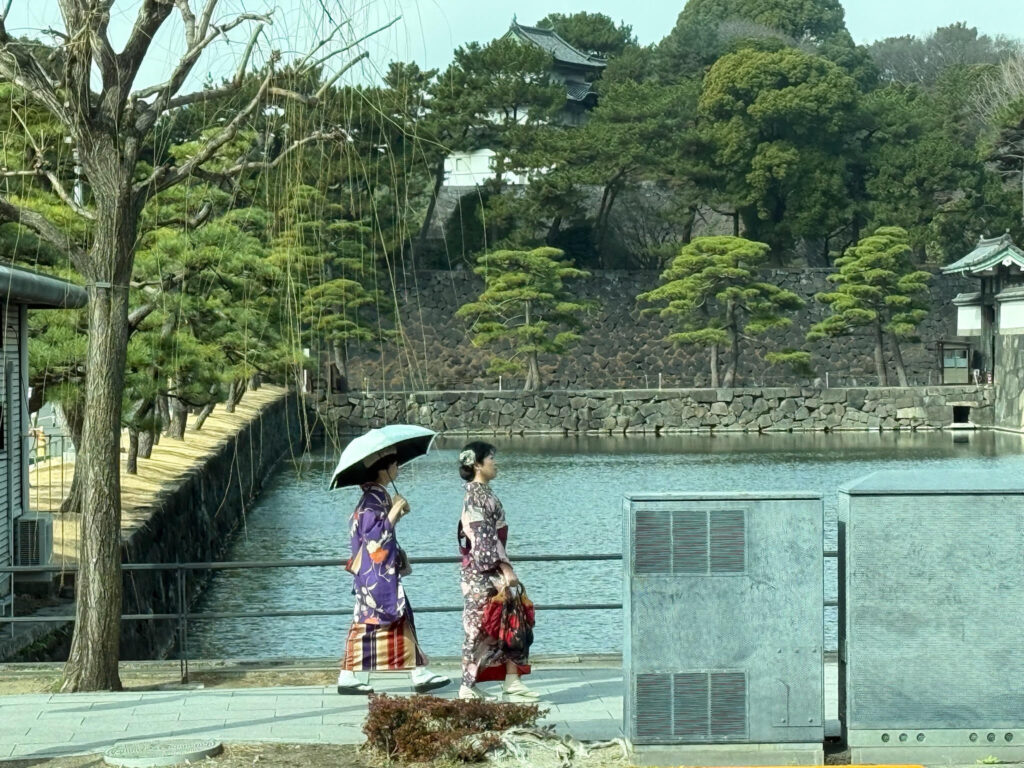
Even without booking anything, it is entirely possible to spot real geiko and maiko on the street. The best odds are along Hanami-koji-dori in Gion, between Shijo-dori and Kennin-ji Temple, and near the Shijo-dori end of Pontocho, right around dusk. Weekends and holidays tend to be busiest for sightings, and Monday evenings are usually quiet.
One important note before you go looking: the geiko and maiko you see in these districts are almost always on their way to an actual appointment, not posing for tourists. Treat a sighting the way you would treat passing a stranger on any sidewalk, with a respectful glance rather than a phone shoved in their face.
If Kyoto’s traditional side is what drew you here in the first place, a few of my other posts pair well with this one. My Ultimate Guide to a Day in Arashiyama in Japan lays out a full day nearby, and Explore Le Labo Kyoto: A Unique Blend of Design and Fragrance is a quieter, unexpected stop in the same part of the city. If you notice the fabric curtains hanging outside traditional shopfronts while you are wandering, The Art and History Behind Traditional Japanese Noren Curtains explains what they mean. And if the dinner at an ochaya has you thinking about table manners, Chopstick Etiquette in Japan: Rules You Need to Know covers the rules to follow before you sit down.
Japan Close
Geisha culture in Kyoto has not been reshaped to suit tourists. Learn the difference between a maiko and a geiko before you go, catch a dance if the season lines up, and if you pass one on the street at dusk, let her get to her appointment.
— izzy