
Updated: September 2026
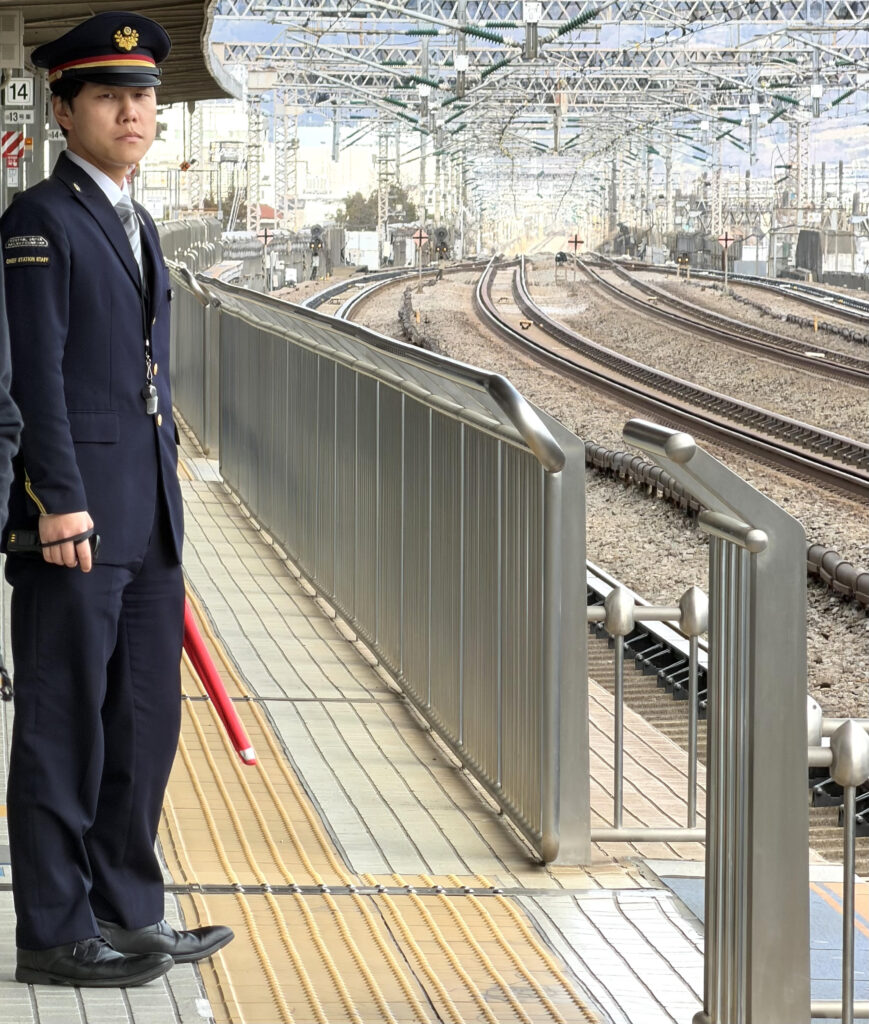
Riding trains in Japan is an experience in itself. The trains are clean, efficient, punctual, and impressively calm, even during rush hour. But that smooth ride comes with a set of unspoken rules. Japanese train etiquette isn’t complicated, but it is important. Knowing what’s expected will help you blend in, avoid awkward moments and show respect to the locals who use these trains every day.
Whether you’re hopping on the Tokyo Metro, boarding a Shinkansen, or taking a local line through Kyoto, here’s what you need to know before you step onto the platform. If you’re still in the planning phase, Japlanning 101: Your Crash Course to an Epic Trip is the place to start.
Keep the Volume Down
One of the first things most visitors notice when riding a train in Japan is how quiet it is inside the cars. Even during crowded rush hours, conversations are minimal, phones are set to silent, and most passengers are listening to music with earphones, reading, or simply resting. While talking isn’t forbidden, speaking loudly enough for others to hear is considered rude, and discussing private matters in public is generally frowned upon. Trains are shared public spaces, so being mindful of noise and of those around you is a key part of proper train etiquette in Japan.
Wear Backpacks in Front
On crowded trains in Japan, backpacks should be worn on your front or removed and held at your feet. Wearing a backpack on your back can easily bump into other passengers. Many trains even display signs reminding riders to shift backpacks forward. Placing your bag in front of you keeps aisles clear, protects your belongings, and makes the ride more comfortable for everyone.
Eating and Drinking
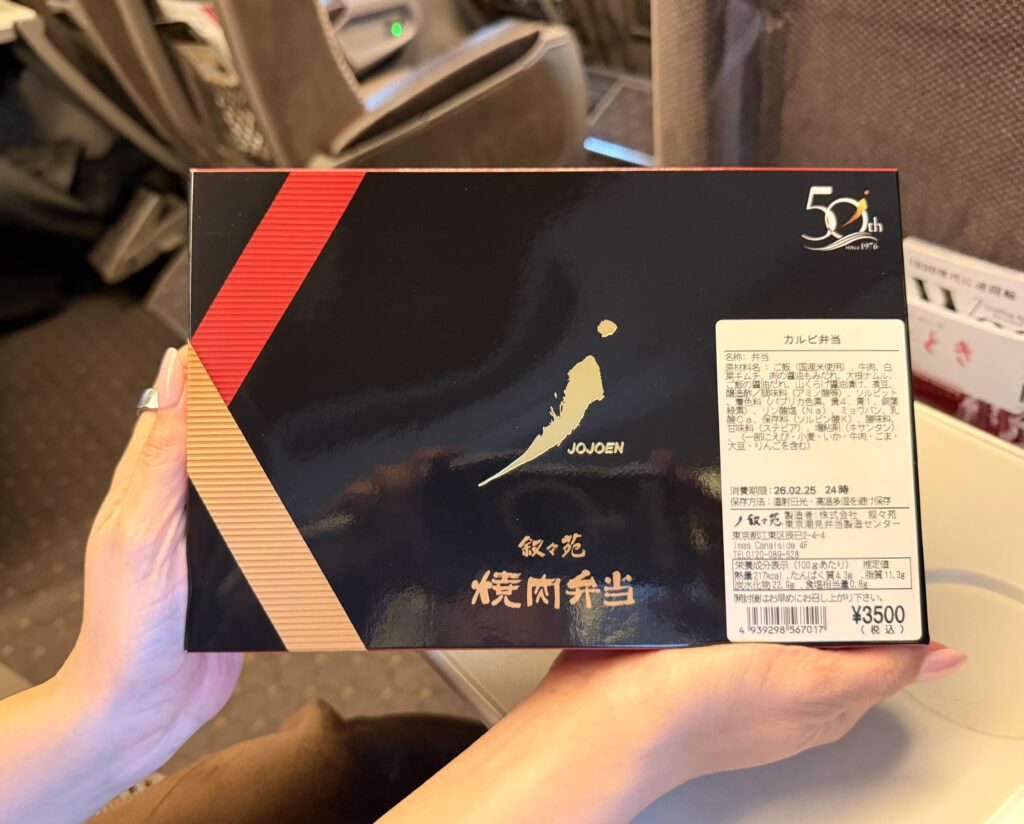
In general, eating and drinking on local and commuter trains in Japan is considered poor etiquette. Strong food smells can bother other passengers, and spills are a concern in crowded cars, so it’s best to avoid consuming meals or snacks during short rides. If you need a drink, bottled water or tea is typically acceptable and discreet.
The main exception is on long-distance trains such as the Shinkansen and limited express services, where eating is perfectly normal. In fact, many travelers enjoy ekiben (station bento boxes) during these journeys. When in doubt, observe what others are doing.
One thing worth knowing: Japan has very few public trash cans, including in and around train stations. Plan ahead for where to dispose of wrappers and bottles. My guide on Why Japan Does Not Have Public Trash Cans explains the reasoning behind this and how to navigate it without ending up carrying rubbish all day.
Priority Seating
Japanese trains have clearly marked priority seats, usually a different color from standard seating, reserved for the elderly, passengers with disabilities, pregnant women, and those traveling with small children. When possible, it’s best to avoid using these seats altogether. If the train is not crowded and no one is using them, you may sit temporarily, but be ready to give up your seat immediately if someone who needs it boards.
Mind Your Manners
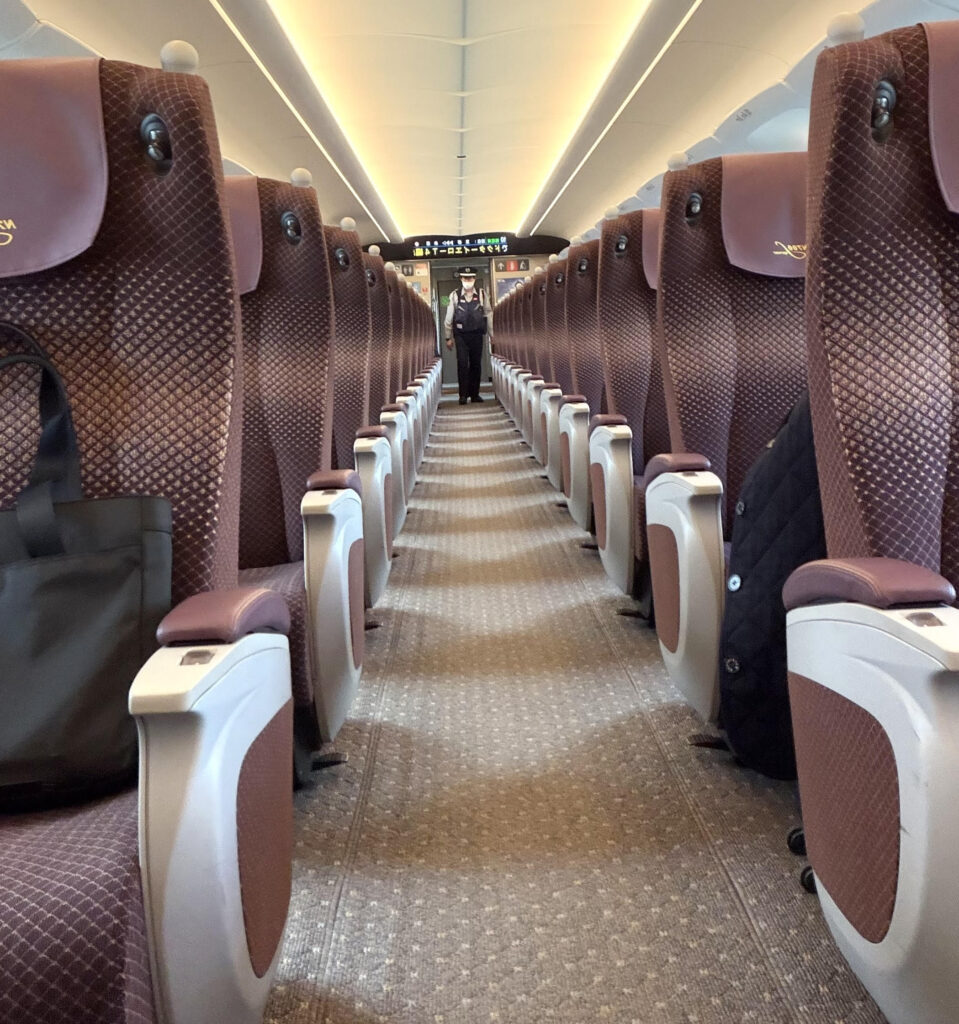
Riding the train in Japan comes with a strong emphasis on awareness and consideration for others. Trains are shared public spaces, and passengers are expected to behave in a way that minimizes disruption, discomfort, and inconvenience. This means being mindful of your body language, belongings, and personal habits at all times. The guiding principle is simple: move calmly, stay aware of your surroundings, and think about how your actions affect those around you.
This same mindset extends well beyond the train. If you’re curious about the broader culture of consideration and respect in Japan, the Ultimate Guide to Chopstick Etiquette in Japan is a good companion read for understanding how these values show up across everyday situations.
How to Sit on the Train
Train seating in Japan is designed to fit as many people as possible, so it’s important to use only the space intended for one person. Sit neatly within your seat area, avoid spreading your legs or elbows, and be mindful of how much room you’re taking up, especially during busy times.
Keep bags on your lap or store them on the overhead rack rather than placing them on empty seats or the floor. It’s also best to avoid rummaging through shopping bags or personal items as if you were at home.
Luggage
When traveling with suitcases or large items, keep them secure so they don’t shift with the movement of the train. Place smaller bags on your lap or in the overhead storage racks, and keep larger or oversized luggage in designated areas if available, always away from doors to avoid blocking passengers boarding or exiting.
If you’re traveling between cities or heading out for a day trip, it’s worth knowing that Japan has an exceptional luggage forwarding system that takes the stress out of hauling large bags on and off trains entirely. My Ultimate Guide to Luggage Transport in Japan covers everything you need to know about how it works and why it’s worth using.
Let Passengers Disembark First
On Japanese train platforms, passengers line up neatly in the marked queues on either side of where the doors will open, always standing behind the yellow safety line near the platform edge. When the train arrives, those exiting the train have priority, so it’s important to wait until everyone has disembarked before boarding. Cutting in line or rushing onto the train is considered poor etiquette. Boarding is done calmly and in order.
If You Miss Your Stop
Missing your stop on a Japanese train isn’t a big deal, and it’s far better than rushing and causing a disturbance. Simply get off at the next station, cross to the opposite platform, and take the train back in the other direction. Stations are clearly marked in English, and staff are always available if you need help. Trains run frequently and on time, so a small detour usually costs only a few extra minutes.
Japan Close
If you’re ever unsure what to do, just look around. Japanese train etiquette is consistent and locals follow it closely. Mimic their behavior and you’ll fit right in.
Some of the most memorable parts of a Japan trip happen when you slow down and pay attention to the details, whether that’s the quiet efficiency of a morning commute, the ritual of passing through a traditional noren curtain at a ryokan or local restaurant, or a perfectly unhurried day exploring Arashiyama. The trains are just the beginning.
— izzy