
Updated: September 2026
Japan has a way of rearranging what you thought was normal. None of what follows is exotic or theatrical. It is just daily life, done a little differently, and it tends to be the small things, not the temples or the neon, that visitors talk about most once they get home.
If you are still putting together your itinerary, Japlanning 101: Your Crash Course to an Epic Trip is the best place to start before diving into the customs below.
No Tipping, Ever
In most of the world, tipping is a way of saying thank you. In Japan, it can come across as confusing or even a little insulting, as though you assumed the service needed extra incentive to be good. Excellent service is simply the standard, not something you pay more for. Leaving cash on a restaurant table is more likely to prompt a server to chase you down the street to return it than to be pocketed with a smile.
Shoes Come Off, Constantly
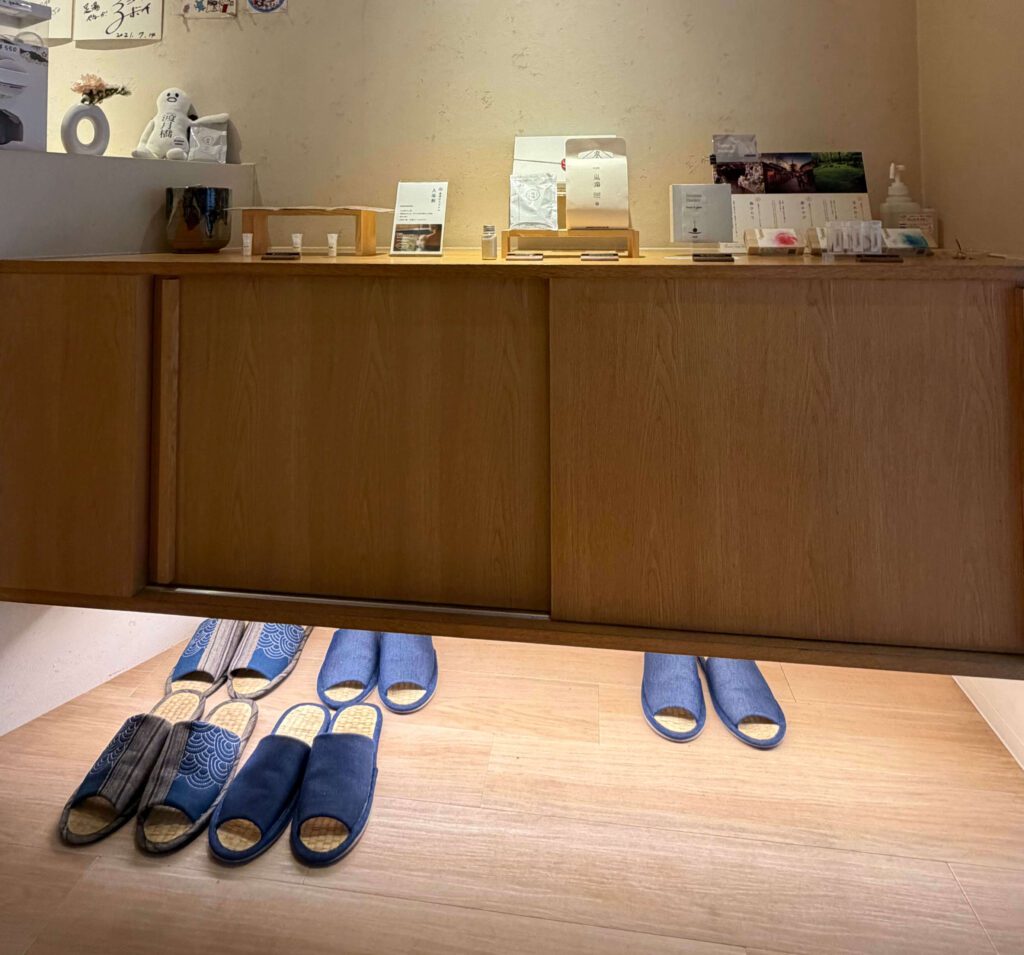
Removing your shoes at the entrance of a home is common in plenty of places, but in Japan the habit extends further than most visitors expect. Many restaurants, temples, traditional inns, and even some clothing store fitting rooms have a designated spot to leave your shoes before stepping onto tatami or wooden flooring. There is often a clear line, sometimes literally a raised step, marking where outdoor shoes are no longer welcome. Slip-on shoes make this a much smoother part of the day.
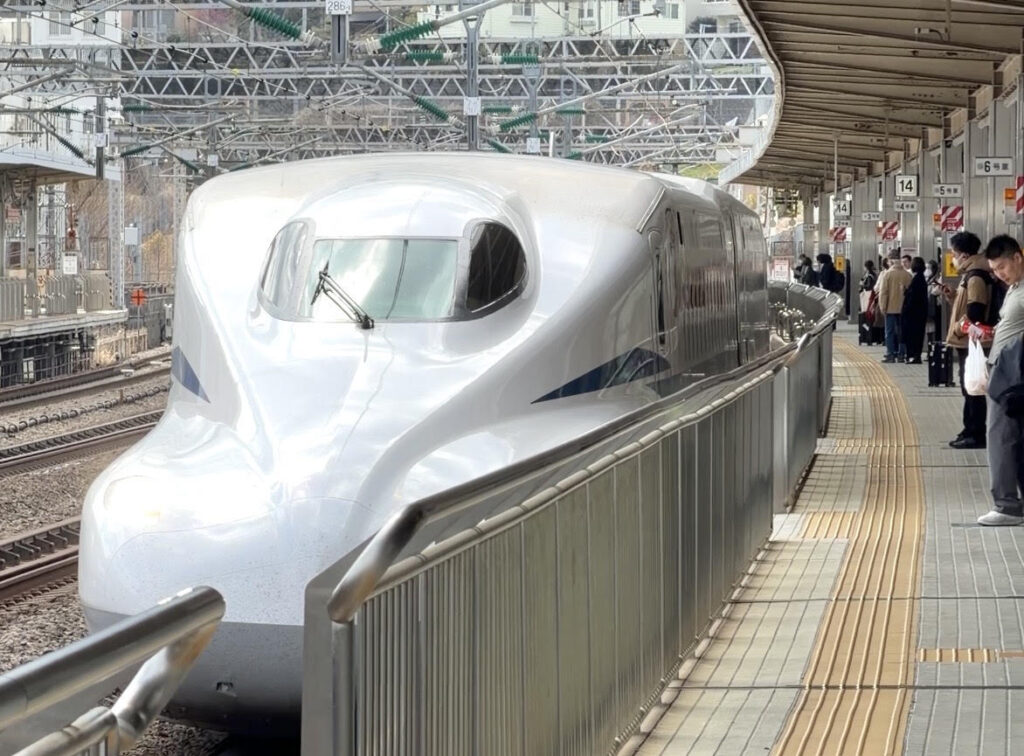
Trains Run on Time, to the Minute
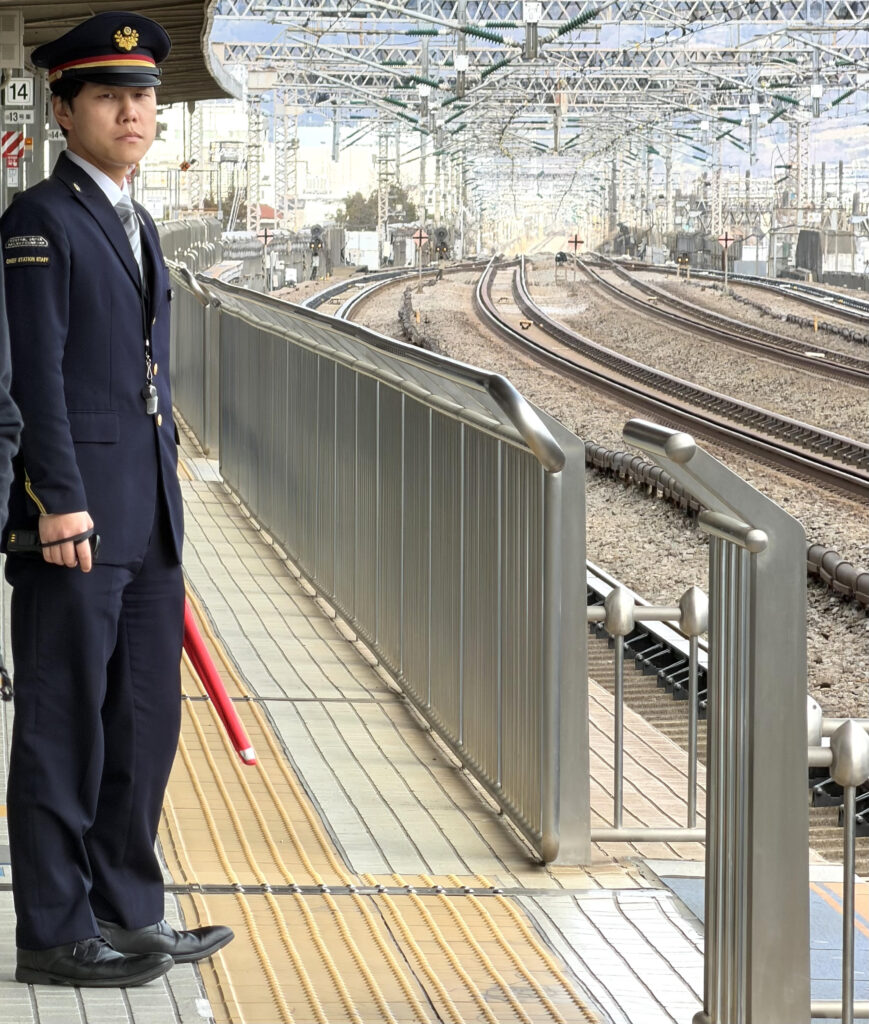
Japanese train punctuality is not an exaggeration. A delay of even a minute or two is considered notable enough that some train companies issue formal apologies. For a first-time visitor used to a looser relationship with public transit schedules, watching a train pull in at the exact posted second is startling.
Silence on Public Transportation
Trains and subways in Japan are quiet, more so than most visitors expect. Phone calls are considered rude and are avoided altogether, and conversations, when they happen, tend to stay hushed. Phones are typically kept on silent mode as a default courtesy, not a special setting. The result is a commute that feels closer to a library than rush hour. For more on the unspoken rules of riding the rails, see my Train Etiquette in Japan: Everything You Need to Know Before You Ride.
Spotless Streets Without Public Trash Cans
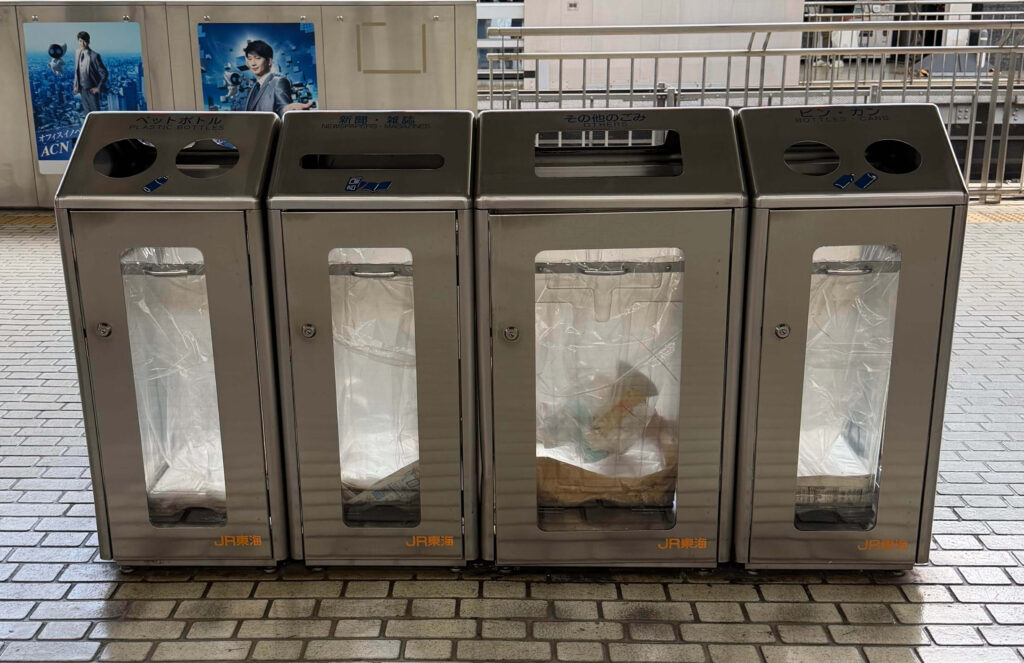
One of the more paradoxical experiences for a first-time visitor is realizing that Japan is famously clean, yet public trash cans are genuinely hard to find. The two facts are related. Public trash cans became scarce after a 1995 subway incident raised security concerns, and the cultural norm since then has simply been to carry your trash with you until you find a bin, often back at your hotel or a convenience store. The streets stay immaculate anyway. I go into the full history behind this in Why Japan Does Not Have Public Trash Cans.
No Eating While Walking
Grabbing a snack and eating it on the move is standard behavior in many countries, but in Japan it is far less common. Food from a street vendor or convenience store is typically eaten standing near where it was purchased, not carried down the block. This is less a hard rule and more an unspoken social expectation, one that visitors often notice only after they catch themselves being the only person on the street with a snack in hand.
Slurping Noodles Is a Compliment
In many cultures, slurping at the table draws a sideways glance. In Japan, slurping ramen, soba, or udon is not just accepted, it is often read as a sign that you are enjoying the meal. It also serves a practical purpose, cooling the noodles slightly and pulling in air that enhances the flavor. First-time visitors often need a little encouragement before they stop apologizing for the noise.
The Hot Towel Ritual
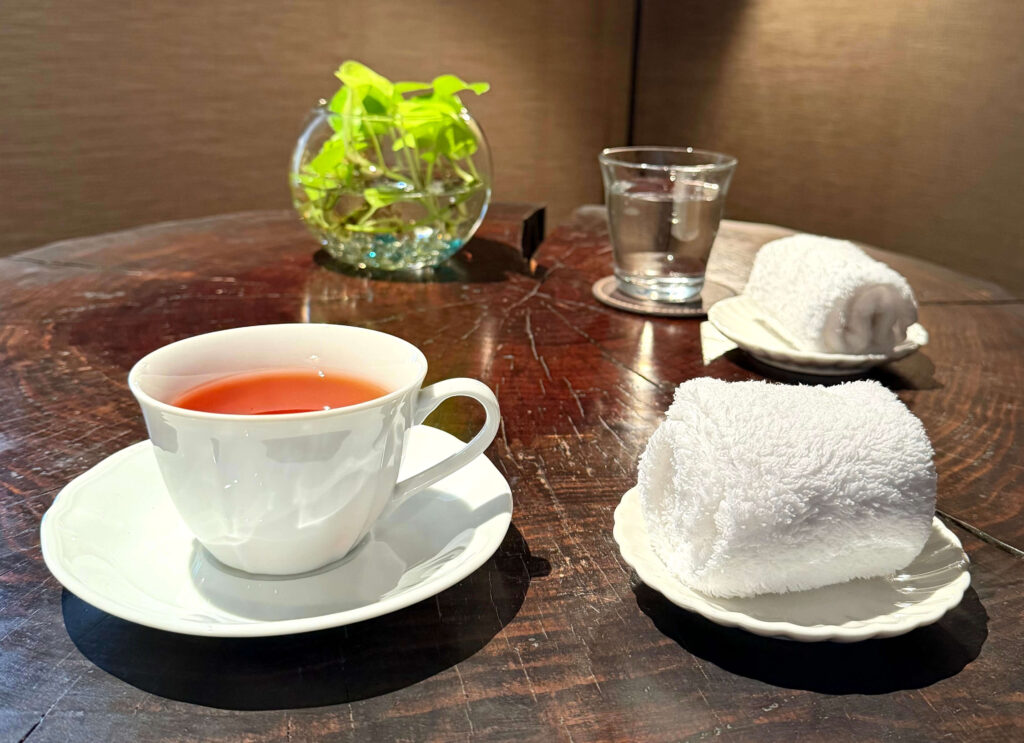
Sit down at nearly any restaurant in Japan, from a casual noodle shop to a formal dinner, and you will likely be handed a small rolled towel called an oshibori before you even order. It is meant for wiping your hands, not your face or the table, and the simple gesture sets a tone of care that runs through the rest of the meal.
Vending Machines, Everywhere and for Everything
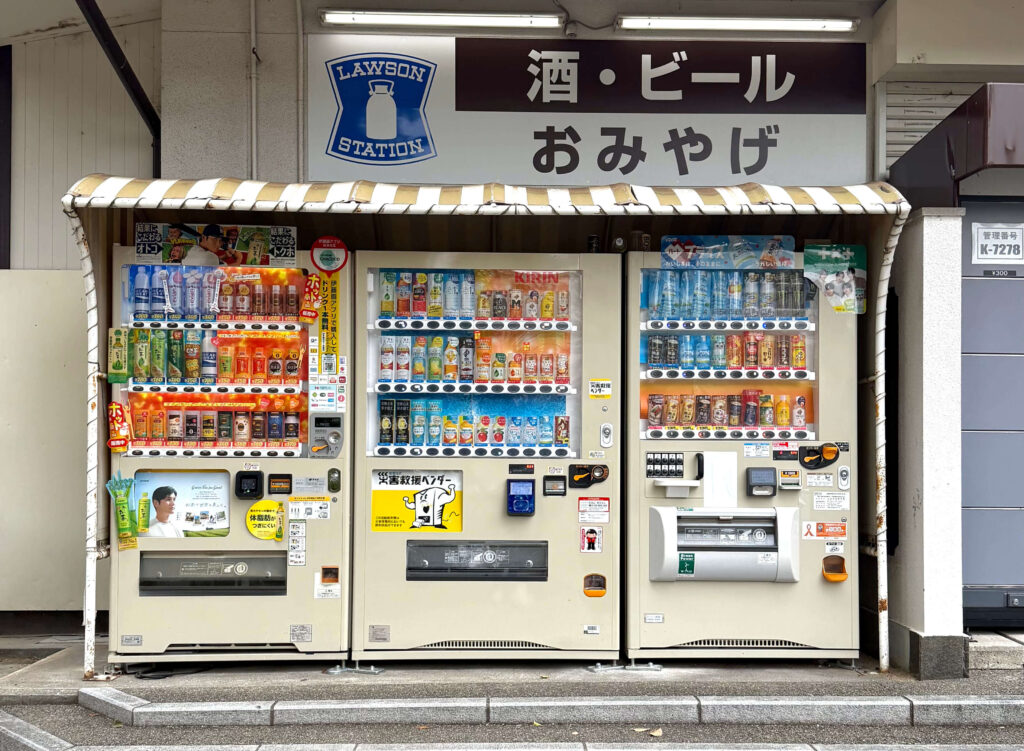
Japan has one of the highest densities of vending machines in the world, and they go far beyond soda and chips. Hot coffee, hot corn soup, fresh flowers, and even hot ramen bowls at certain machines are all normal finds. What surprises visitors most is not the variety, but how reliable and well maintained every single machine tends to be, even the ones tucked away on a quiet side street. Gachapon capsule toy machines take the concept even further, and I cover those in depth in my Ultimate Guide to Gachapon Capsule Toys in Japan.
Business Cards Are Exchanged Like a Small Ceremony
For anyone doing business in Japan, even briefly, the business card exchange, known as meishi koukan, follows its own quiet etiquette. Cards are presented and received with both hands, given a moment of attention before being tucked away, and never written on or stuffed carelessly into a back pocket in front of the other person. It is a small ritual, but skipping the formality is noticeable.
Noren Curtains Mark an Entrance
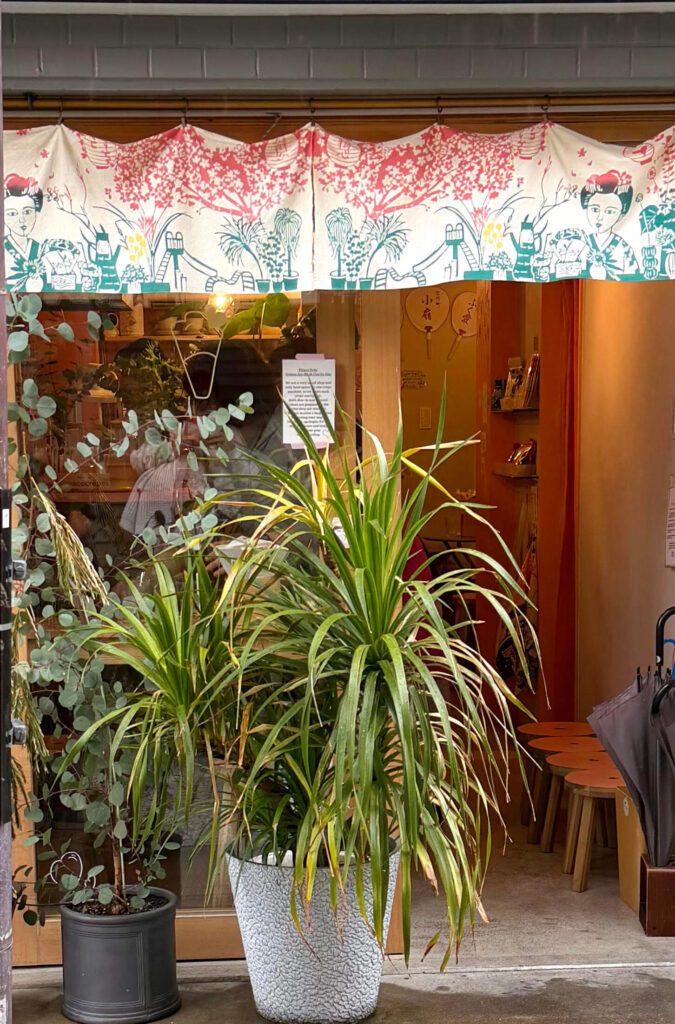
Those short, split fabric curtains hanging over shop and restaurant entrances are called noren, and they carry more meaning than their simple look suggests. A hanging noren signals a business is open, and it is taken down at closing time each day. The fabric often displays the shop’s name or logo, and stepping through one, gently pushing the panels aside, is such a small, ordinary motion for locals that most visitors do not notice it as a distinct custom until they have walked past a dozen of them. For the full story behind them, see my The Art and History Behind Traditional Japanese Noren Curtains.
Escalators Have an Unspoken Side
Stand on one side, walk on the other. In Tokyo, everyone stands to the left and leaves the right side open for anyone in a hurry. In Osaka, it flips, stand right, walk left. Nobody posts a sign explaining this, and yet an entire city moves in sync, with newcomers usually figuring out the local pattern within their first ride simply by watching everyone else. Stand on the wrong side during a busy commute and you will feel the correction almost immediately.
Queueing Is Taken Seriously
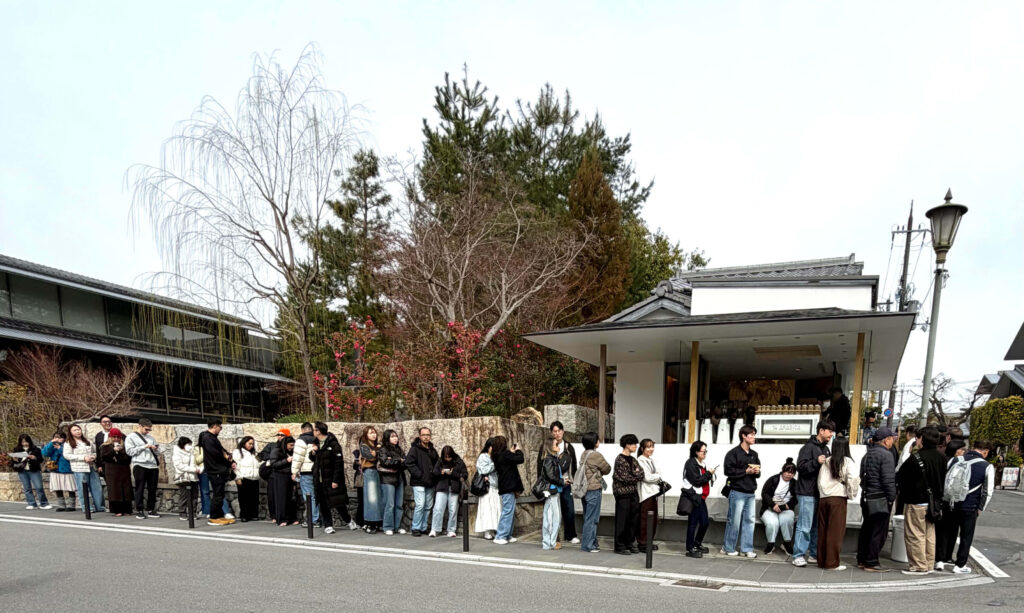
Lines in Japan are orderly, patient, and almost universally respected, whether it is boarding a train, waiting for a popular ramen shop to open, or lining up for a limited-edition snack release. People queue single file and cutting is essentially unheard of. Even a crowded platform during rush hour resolves into a calm, structured line the moment a train pulls in, boarding and exiting handled with a rhythm that feels almost choreographed. This same orderly approach even extends to shopping, my Onitsuka Tiger in Japan post covers a real-time virtual queue system for a popular Ginza store, right down to the text updates tracking your spot in line.
Convenience Stores Operate on a Different Level
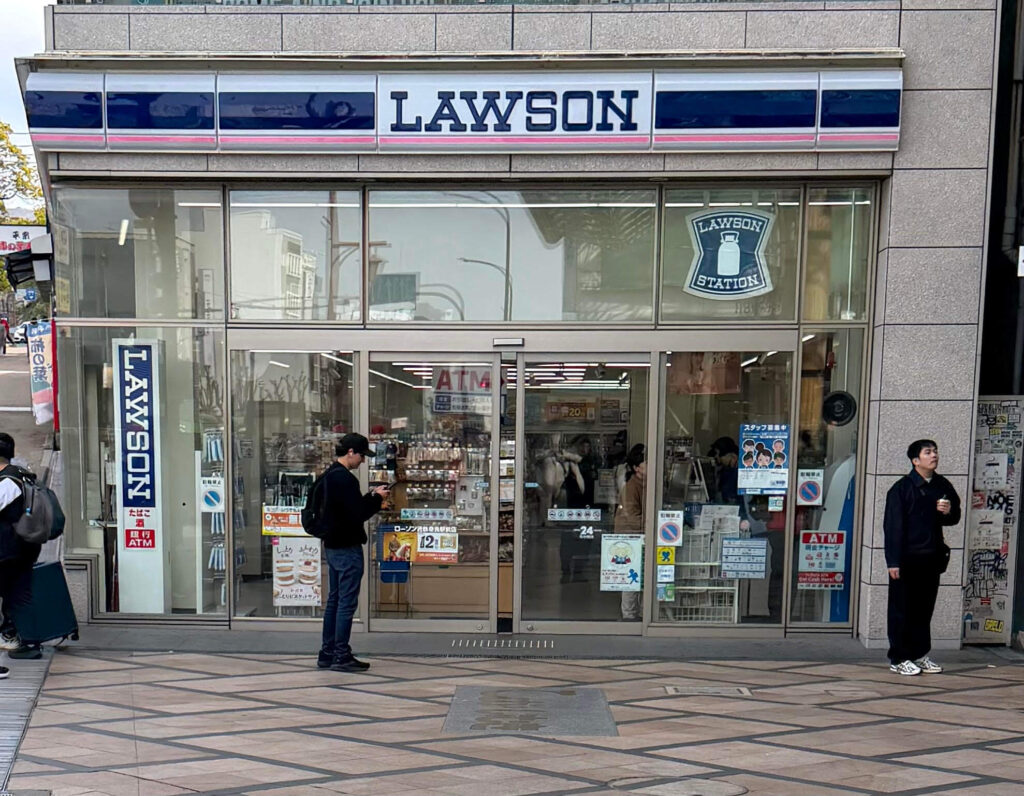
Calling a Japanese konbini a convenience store barely does it justice. 7-Eleven, Lawson, and FamilyMart locations sell genuinely fresh food made daily, from onigiri and bento boxes to surprisingly good fried chicken, alongside everyday essentials, package pickup, bill payment, ATM access, printing, and even ticket purchases. They are spotless, always stocked, and staffed around the clock. Visitors often walk in expecting a gas station snack aisle and walk out having found their new favorite meal of the trip.
The Constant, Contextual Bowing
Bowing in Japan is not a formal gesture reserved for special occasions. It happens constantly and casually, a small nod-like dip when passing a neighbor, a deeper bow when thanking a shopkeeper, a quick bow exchanged between cyclists who nearly collided. Depth and duration actually carry meaning, a slight bow for a casual greeting, a deeper, longer bow for a sincere apology or a formal introduction. Visitors often find themselves unconsciously bowing back within a day or two.
Kids Commute to School Alone
One of the most talked-about surprises for foreign visitors is seeing young children, sometimes as young as six or seven, walking to school, riding trains, or taking buses entirely on their own, with no adult in sight. It is not a gap in supervision. It reflects a deep cultural trust in community safety, a school system that actively teaches independence from an early age, and a society where strangers are expected to look out for a child who seems lost or in trouble. Crossing guards, shopkeepers, and fellow commuters all quietly play a part. For a visitor from a country where this would raise immediate alarm, watching a small child confidently navigate a busy train platform alone is often one of the most memorable things they see on the entire trip.
Lost Items Have a Way of Finding Their Way Back
Wallets left in taxis, phones forgotten on train seats, and umbrellas left behind at a restaurant have a very good chance of being turned in rather than kept. Japan’s koban system, small neighborhood police boxes found throughout cities, makes turning in a found item simple and routine, and doing so is treated as an ordinary act of decency rather than something exceptional.
Japan Close
None of these customs are dramatic on their own, but together they add up to a country that runs on quiet consideration for the people around you. Once you notice the pattern, it is hard not to bring a little of it home with you. For more on the language behind some of these everyday interactions, see my Guide to Useful Japanese Words and Phrases, and if the trip is still in the planning stages, Japlanning 101: Your Crash Course to an Epic Trip is the place to start.
— izzy