
Updated: August 2026
Onitsuka Tiger is one of Japan’s most iconic sneaker brands, blending retro design, cultural heritage, and modern street style in a way few brands can match. From its instantly recognizable stripes and classic silhouettes like the Mexico 66 to limited-edition colorways found only in Japan, Onitsuka Tiger has become a must-shop label for travelers, sneaker fans, and fashion lovers alike.
This guide covers the history behind the brand, its stripe design details, and highlights the most popular styles and colors. It also includes a city-by-city shopping guide covering where to buy Onitsuka Tiger in Tokyo, Osaka, Kyoto, and Hakone, along with practical tips to help you find the best selections while traveling through Japan.
If you are still in the planning stages of your trip, Japlanning 101: Your Crash Course to an Epic Trip is the best place to start.
The History of Onitsuka Tiger
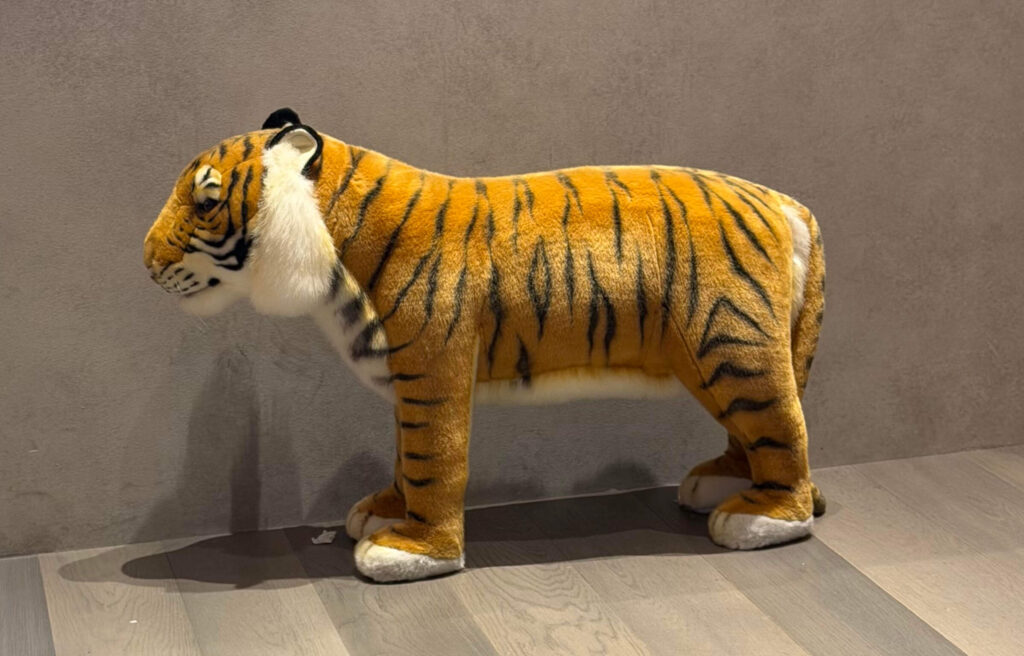
Onitsuka Tiger was founded in 1949 by Kihachiro Onitsuka in Kobe, Japan, with the goal of inspiring young people through sports in the years following World War II. The brand began by producing athletic shoes for basketball, quickly gaining attention for its focus on performance, comfort, and thoughtful design.
Throughout the 1950s and 1960s, Onitsuka Tiger expanded into running and training shoes, becoming a favorite among competitive athletes. Its international breakthrough came during the 1964 Tokyo Olympics, when the brand’s footwear gained global visibility. In 1977, Onitsuka Tiger merged with two other companies to form ASICS.
While ASICS evolved into a performance-driven sportswear giant, Onitsuka Tiger was later revived as a lifestyle brand, celebrating its vintage roots with modern updates. Today, it sits at the intersection of heritage and street fashion, known worldwide for its retro silhouettes, premium materials, and unmistakable Japanese design sensibility.
The Mexico 66 in particular found a second life on screen. Uma Thurman wore the shoe, in its now-famous yellow and black colorway, throughout Kill Bill, and that single film moment is largely responsible for turning a 1968 Olympic training shoe into one of the most recognized sneakers in pop culture.
Understanding the Onitsuka Tiger Stripe Design
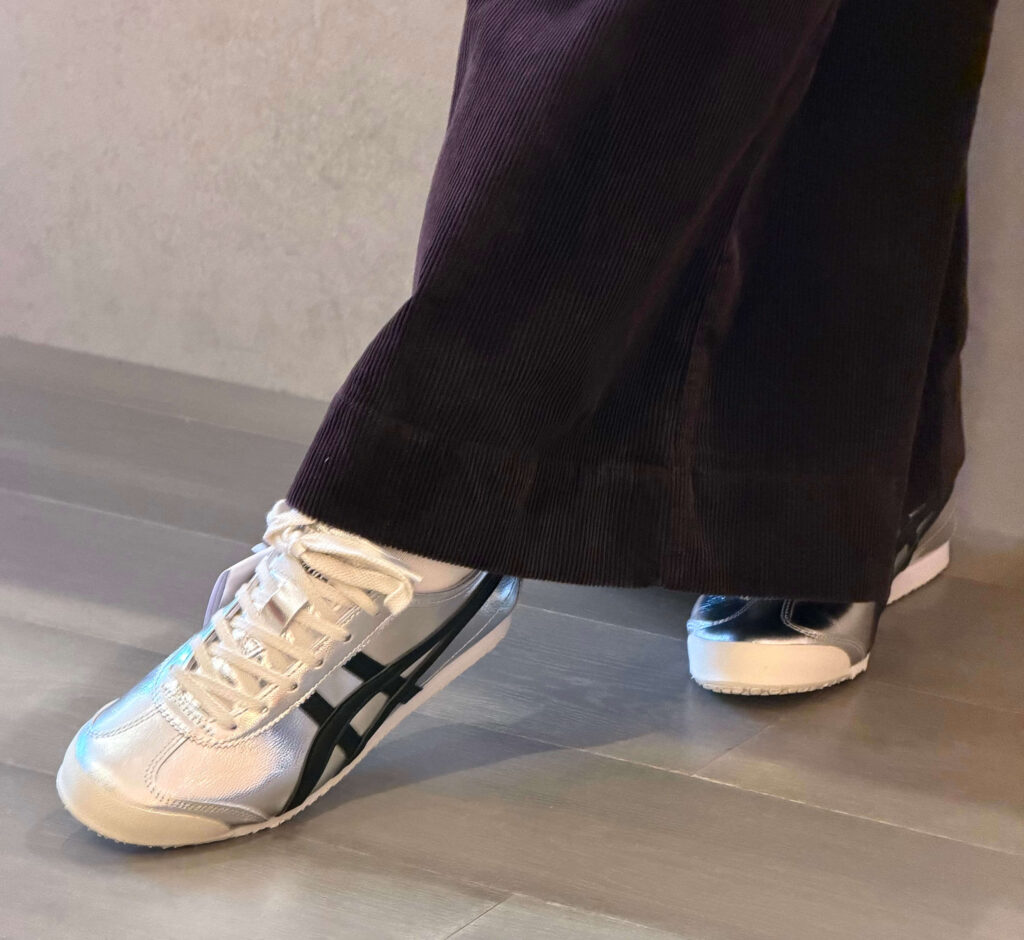
The Onitsuka Tiger stripe presence, instantly recognizable is defined by the brand’s iconic intersecting stripes that run along the sides of each shoe. Often referred to simply as the Tiger Stripes, this design debuted in the 1960s and was created to provide both visual impact and structural support. Over time, it became one of the most recognizable sneaker motifs in the world, symbolizing movement, speed, and athletic heritage.
Beyond the stripes, Onitsuka Tiger’s overall design aesthetic leans heavily into clean lines, low-profile silhouettes, and a balance of retro and modern elements. Many styles feature slim soles, suede or leather uppers, and subtle branding rather than oversized logos. This minimalist approach allows the shoes to pair effortlessly with everything from casual travel outfits to more polished streetwear looks.
In recent years, the brand has expanded its stripe presence through special editions and premium collections, incorporating embroidered logos, tonal stripe designs, and elevated materials. These updates stay true to Onitsuka Tiger’s roots while appealing to a fashion-forward audience, making each pair feel both timeless and contemporary.
Visiting the Ginza Concept Store: My Experience
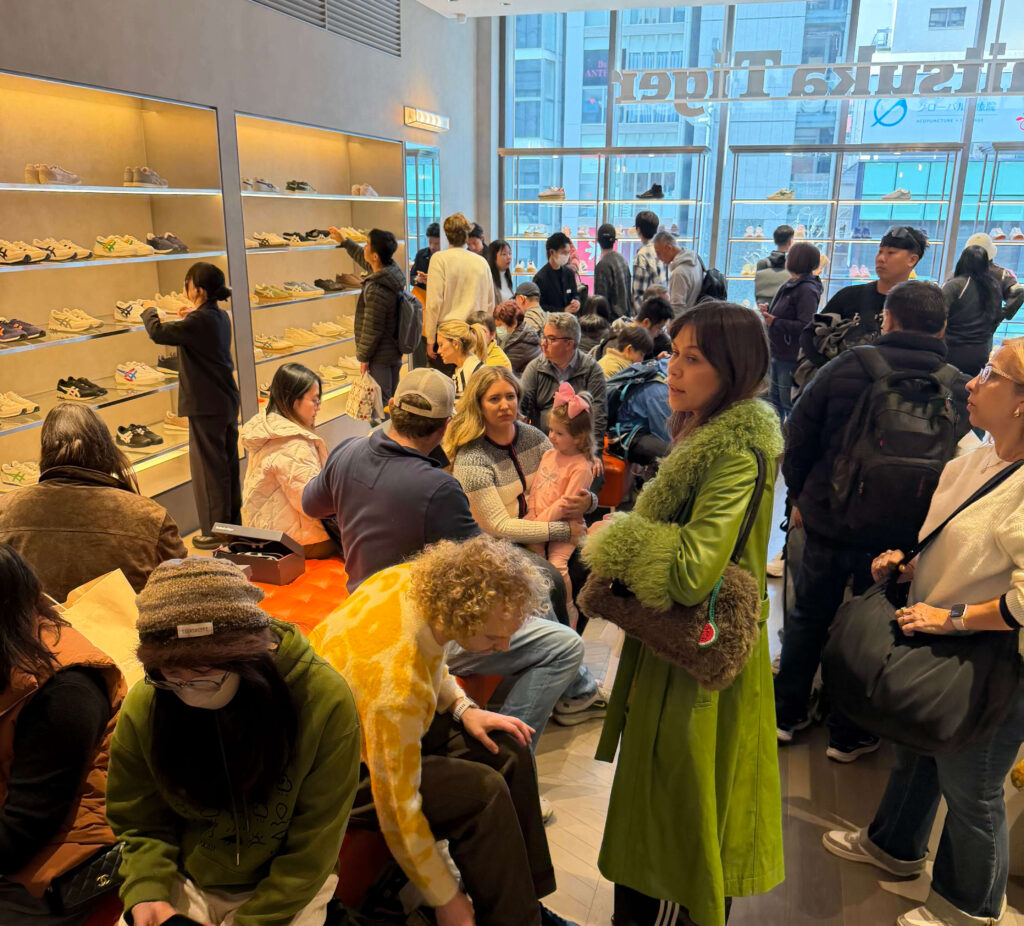
On a visit to the Ginza Concept Store, my daughter and I arrived and added our names to the waiting list. A text arrived shortly after with a link that tracked our position in real time, and we started out at number 100.
With that kind of wait ahead of us, we ducked into Louis Vuitton down the street so my daughter could pick up a passport holder and get it stamped, then stopped for a light lunch while we waited.
By the time we got the notice that we had moved up to number one, we headed straight back. Once there, we were instructed to wait and were called into the store about a minute later.
Inside, we were paired with a sales associate who walked us through the embroidery process. This particular concept store is centered entirely around the Mexico 66, and embroidery is only offered on that specific model, so if you have your heart set on personalizing a different silhouette, this is not the store for it.
Getting Embroidery on Your Onitsuka Tigers
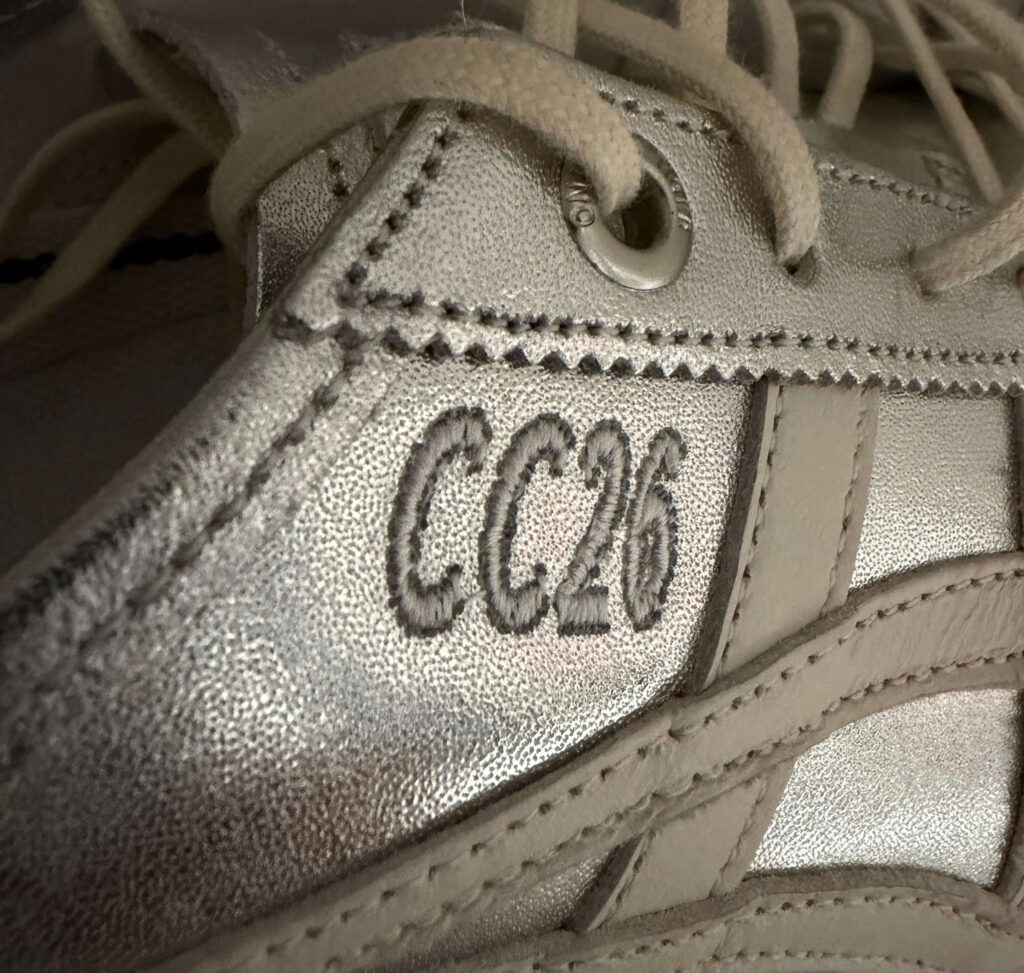
Onitsuka Tiger offers the option to personalize the Mexico 66 with custom embroidery, adding initials or small details to make your pair truly one-of-a-kind. This service is popular among travelers looking for a special souvenir or sneaker enthusiasts wanting a unique touch.
How It Works
Embroidery is offered exclusively on the Mexico 66. You can choose one symbol paired with two letters or numbers together, or a total of four letters or numbers with no symbol. Most designs are embroidered on the heel or tongue of the shoe.
Where to Get It
Ginza has several Onitsuka Tiger concept stores, each identified by color rather than a standard store name. The Onitsuka Tiger Orange Concept Store is the one that offers embroidery, built entirely around the Mexico 66 and its customization service. There is also a Ginza Yellow Concept Store nearby, focused on the brand’s Yellow Collection apparel line rather than embroidery, so be sure you are heading to the right store one if personalization is the goal.
he Onitsuka Tiger Red Concept Store features an on-site café, Onitsuka Tiger CAFÉ 75, where you can grab coffee or a smoothie.
Price & Timing
The service may be free on certain models and promotions, but most commonly ranges from ¥500 to ¥1,500 depending on complexity. Turnaround time typically takes 15 to 30 minutes for standard embroidery, but larger or special requests can take longer, and pickup is usually same-day only.
Tips for Embroidering
Decide your initials or design before visiting, as stores usually cannot redo embroidery once it is done. Since it is only available on the Mexico 66, plan to try that specific model on and confirm sizing before committing to the customization.
Iconic Onitsuka Tiger Styles
Onitsuka Tiger is best known for a handful of timeless silhouettes that have remained popular for decades, blending athletic roots with everyday wearability.
Mexico 66
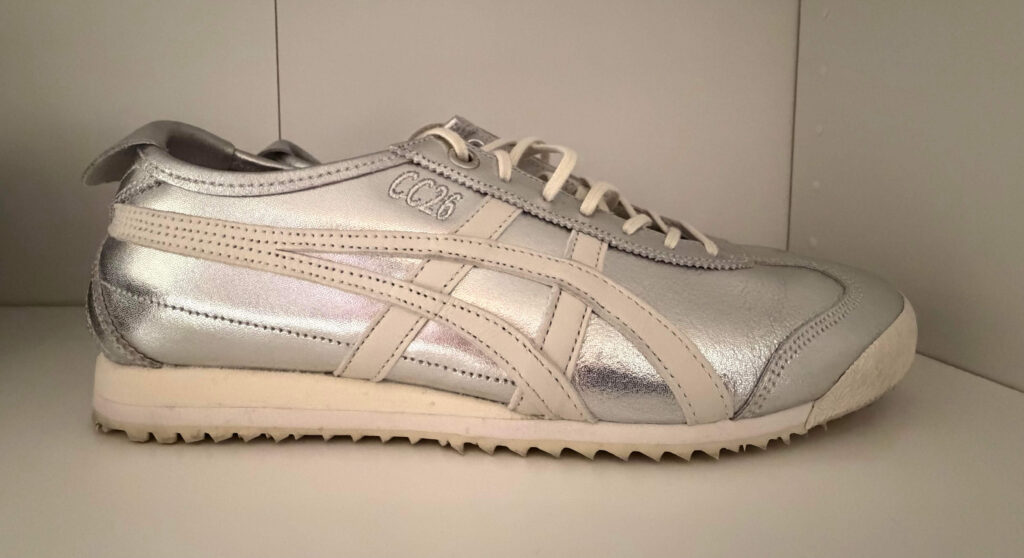
The brand’s most iconic sneaker, the Mexico 66 is a low-profile style originally designed for training ahead of the 1968 Olympics. With its slim shape, lightweight feel, and signature Tiger Stripes, it remains the brand’s most recognizable silhouette and a favorite among travelers for all-day walking. Popular colorways include white and navy, black and gold, the yellow and black Kill Bill colorway, and Japan-exclusive seasonal releases. It is also the only model available for embroidery.
Serrano
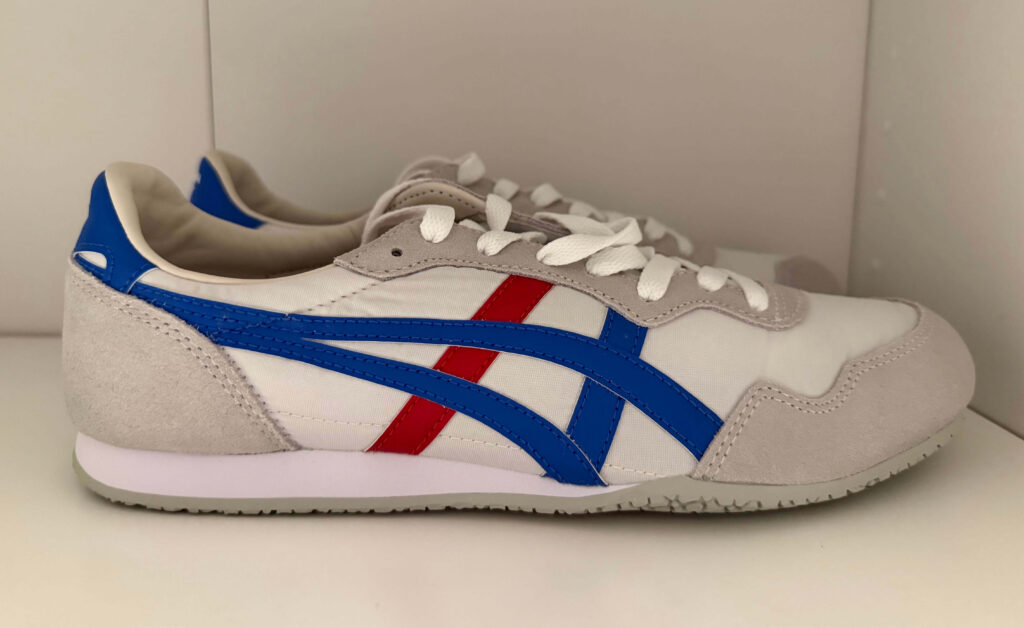
Inspired by 1970s track shoes, the Serrano has a narrow, athletic silhouette with a thinner sole and a vintage racing feel. It is ideal for those who love a retro look and a lightweight fit, especially in bold or contrasting color combinations. Popular colorways include red and blue, black and white, and seasonal two-tone releases exclusive to Japan.
Ultimate 81
The Ultimate 81 blends retro design with added cushioning and support. Made with a mix of suede and nylon panels, it offers a slightly sportier look and a cushioned midsole that provides more comfort than slimmer styles like the Mexico 66, while still keeping the brand’s signature heritage look. This model often appears in earthy tones and muted color palettes.
Colorways and Limited Editions
One of the biggest draws of shopping for Onitsuka Tiger in Japan is the wide variety of color options, including styles and combinations that are difficult, or impossible, to find elsewhere. Classic colorways like white with navy or red stripes, black with gold accents, and neutral beige tones remain bestsellers thanks to their timeless, easy-to-style appeal.
Japan also sees frequent seasonal releases and limited-edition colorways, often featuring softer pastels, muted earth tones, or bold, fashion-forward palettes that reflect current trends. Some collections include tonal designs with subtle stripe contrasts, premium materials, or unique textures that elevate the classic silhouettes, and these limited runs tend to sell quickly, making in-store shopping especially rewarding.
These Japan-exclusive models are often found in flagship stores and larger city locations, and are highly sought after by collectors and style enthusiasts. Whether you are drawn to a heritage silhouette or a contemporary update, checking multiple stores or visiting early in your trip can increase your chances of finding a standout pair that is truly special.
Onitsuka Tiger Price Range
Onitsuka Tiger sneakers in Japan are generally priced competitively, and in many cases work out to be more affordable than buying the same styles overseas, especially once tax-free shopping for visitors is factored in. Most classic models, including the popular Mexico 66, typically fall in the ¥12,000 to ¥15,000 range, depending on materials and colorways.
More premium styles, limited editions, or models made with upgraded leather and special detailing usually range from ¥15,000 to ¥25,000. Collaborations or fashion-forward collections found in flagship stores may be priced higher, reflecting their exclusivity and craftsmanship.
Prices are consistent across official Onitsuka Tiger stores, so the main advantage of shopping in Japan is not hunting for discounts but gaining access to a wider selection, Japan-only releases, and tax-free savings. For travelers, this makes Japan one of the best places to invest in a pair, both for value and variety.
Where to Buy Onitsuka Tiger
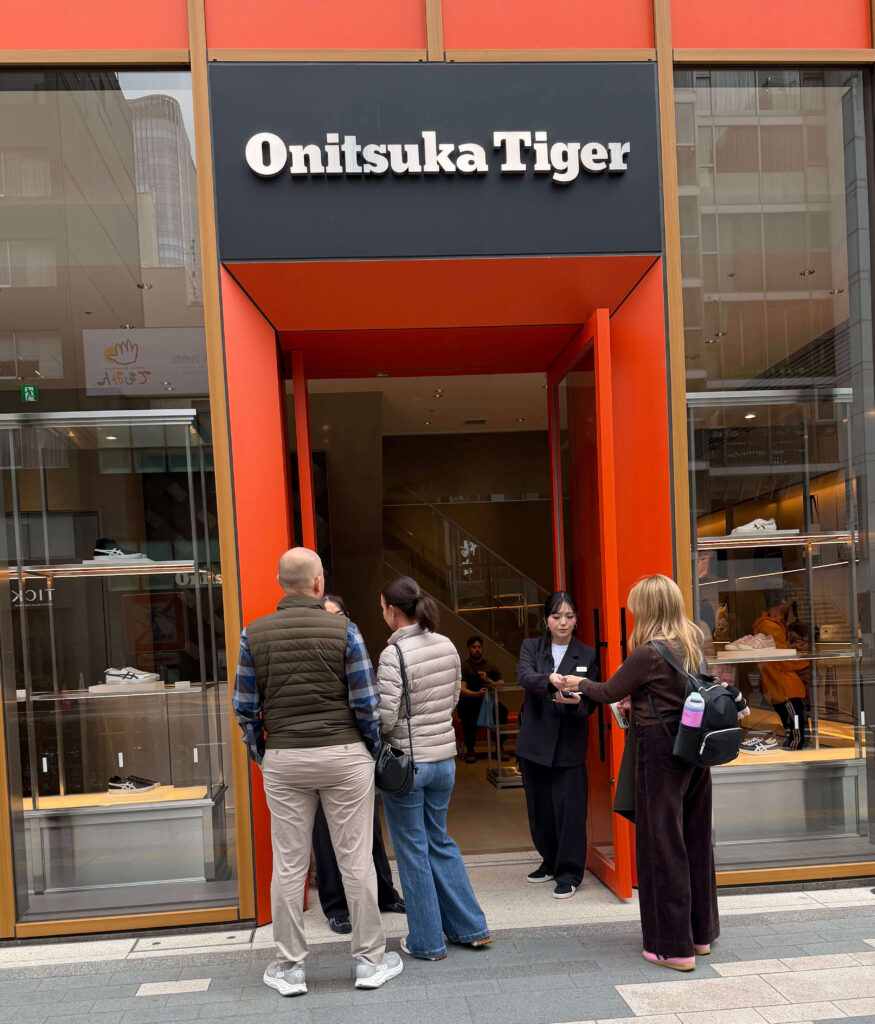
Japan is a sneaker lover’s paradise, and Onitsuka Tiger has stores in all the major cities. Moving between them is part of the fun, and my Train Etiquette in Japan: Everything You Need to Know Before You Ride covers the unspoken rules for navigating the rail system between shopping stops.
Tokyo
Onitsuka Tiger Harajuku Flagship, near Takeshita Street, is the largest Tokyo flagship with the widest range of colorways, Japan-exclusive models, and limited editions.
Ginza is home to multiple concept stores, each distinguished by color rather than a standard name. The Red Concept Store is the one for embroidery and includes Tora Café 75 on-site. The Yellow Concept Store nearby focuses on the brand’s Yellow Collection apparel.
Onitsuka Tiger Shibuya Store, near Shibuya 109, is a popular spot for casual shoppers and tourists with mid-range selections and classic models.
Osaka
Onitsuka Tiger Shinsaibashi, in the Shinsaibashi Shopping Arcade, carries a full lineup of classic and limited-edition sneakers. Onitsuka Tiger Namba Store, near Dotonbori, has a casual shopping atmosphere and is popular for souvenir sneakers.
Kyoto
Onitsuka Tiger Kyoto Kawaramachi, in the central shopping district, is a compact store with a good selection of classic silhouettes and seasonal releases.
Hakone
Onitsuka Tiger Hakone Outlet, at Gotemba Premium Outlets near Hakone, offers discounted sneakers and past-season colorways.
Shopping Tips for Buying Onitsuka Tiger
Shopping for Onitsuka Tiger in Japan is a unique experience, especially for travelers and sneaker enthusiasts. Here are some practical tips to make the most of your sneaker hunt:
- Tax-Free Shopping · Many Onitsuka Tiger stores offer tax-free shopping for tourists on purchases over ¥5,000. Bring your passport to take advantage of this benefit.
- Know Your Size · Japanese sizing can differ from international measurements. Trying shoes on in-store is recommended to ensure the perfect fit. Sizes are typically listed in centimeters (e.g., 25.5 cm = US Men’s 7.5).
- Exclusive and Limited Releases · Flagship stores often carry Japan-only colorways or limited editions. If you’re after a special model, check store websites or social media in advance to confirm availability.
- Classic vs. Modern · Decide whether you want a heritage silhouette like the Mexico 66 or a modern reinterpretation. Classic models are easier to find in multiple stores, while special editions may only appear at flagship locations.
- Check Multiple Locations · If you can, visit more than one store in a city. Stock varies by location, and some stores may carry Japan-exclusive colors or special collaborations.
- Budgeting · Classic sneakers usually range from ¥12,000–¥15,000, with limited editions or premium models going up to ¥25,000. Consider your budget, especially if you plan to buy multiple pairs.
- Carry Extra Space · Sneakers can be bulky to pack. Bring a foldable bag or prepare space in your luggage to avoid damage during travel.
- Ask Staff for Recommendations · Store staff are usually very helpful. If you are looking for Japan-exclusive models or hard-to-find sizes, do not hesitate to ask, they can point you to what’s available.
Caring for Your Onitsuka Tigers
Keeping your Onitsuka Tigers looking fresh will help you enjoy them for years and maintain their classic aesthetic. Here are some tips for care and maintenance:
- Regular Cleaning:
- Wipe away dirt and dust with a soft, damp cloth.
- For suede panels, use a suede brush or eraser to remove marks without damaging the material.
- Deep Cleaning:
- Remove the laces and insoles before washing.
- Hand wash with mild soap and lukewarm water; avoid harsh detergents.
- Air dry at room temperature—never use a dryer, as heat can warp soles and damage materials.
- Storage:
- Store shoes in a cool, dry place away from direct sunlight.
- Use shoe trees or stuff shoes with paper to maintain their shape.
- Water Protection:
- Apply a water and stain repellent spray, especially for suede or canvas styles.
- Avoid heavy rain or puddles whenever possible to protect the materials.
- Travel-Friendly Care:
- Pack sneakers in a separate shoe bag to prevent scuffs and keep them clean during trips.
- Bring a small cleaning cloth or brush for touch-ups after long days of walking.
Japan Close
Onitsuka Tiger is more than just a sneaker brand. It is a piece of Japanese design history, and shopping for it in Tokyo, Osaka, Kyoto, or Hakone gives you access to colorways and limited editions that are hard to find anywhere else. Whether you are collecting, gifting, or simply adding a stylish pair to your wardrobe, it makes for a practical and exciting find. If shopping for something small and collectible is more your speed, my Ultimate Guide to Gachapon Capsule Toys in Japan and Ultimate Guide to the Japanese Lucky Cat cover two more distinctly Japanese ways to bring a piece of the trip home.
— izzy