
If you’ve traveled to Japan, are currently planning a trip to Japan, or are even thinking about traveling to Japan, you already know what Japlanning means—whether you’ve heard the word before or not. Japlanning is that deep-dive phase where Google Maps is always open, train routes start to look like abstract art, and you’re researching everything from where to stay to how to stand on an escalator.
While Japlanning isn’t an official English term, it perfectly describes the detailed, sometimes intense, process of planning a trip to Japan. It’s not just about booking flights and hotels, it’s about understanding transport systems, cultural etiquette, timing, reservations, and the small details that make the difference between feeling overwhelmed and feeling confident once you arrive.
The reality is, the rest of your trip often depends on how well you Japlan. Japan rewards preparation. A little research upfront leads to smoother train rides, better meals, fewer cultural missteps, and more time enjoying the magic instead of trying to figure out which platform you’re supposed to be on.
This guide breaks down Japlanning in a practical, approachable way, with destination specific tips for Tokyo, Osaka, Kyoto, and Hakone, so you can plan smarter, travel smoother, and actually enjoy the process because in Japan, the planning is part of the adventure.
Consider this your starting point and bookmark it. More guides are on the way—from decoding Japan’s trains to making friends with the famously polite deer of Nara.
Contents
Why Japlanning Matters in Japan
Japan is one of the safest, most efficient, and rewarding countries to travel through but it’s also one where a little planning goes a very long way. Japlanning isn’t about overthinking every minute of your trip; it’s about setting yourself up to enjoy Japan without unnecessary stress.
First, there’s transportation. Japan’s train systems are legendary for their speed and reliability, but they can feel intimidating at first. Multiple rail companies, different ticket types, reserved vs. unreserved seating, and massive stations mean that understanding the basics before you arrive can save you time, money, and confusion, especially in cities like Tokyo and Osaka.
Cultural etiquette is another reason Japlanning matters. Japan has many unspoken social norms, from how to behave on public transport to when and where it’s appropriate to talk or take phone calls. Knowing these ahead of time doesn’t just help you blend in, it deepens your experience and shows respect for the places and people you’re visiting.
Language can also play a role. While signage in major cities is often in English, menus, announcements, and local interactions aren’t always. Japlanning helps bridge that gap by preparing you with translation tools, key phrases, and realistic expectations, so small moments don’t turn into frustrating ones.
Finally, Japan is a country where timing matters. Popular attractions, restaurants, and seasonal experiences often require advance reservations or careful scheduling. Thoughtful Japlanning helps you avoid long lines, sold-out experiences, and rushed days thereby providing you more freedom to slow down, explore, and actually enjoy being there.
In short, Japlanning turns what could feel overwhelming into something exciting. The more prepared you are before you arrive, the easier it is to relax, wander, and fall in love with Japan once you’re there.
Japlanning Essentials
Before you start mapping out Tokyo neighborhoods or debating Osaka versus Hiroshima, there are a few Japlanning basics that apply no matter where you go in Japan. Getting these essentials sorted early makes the rest of your planning, and your trip itself, much smoother.
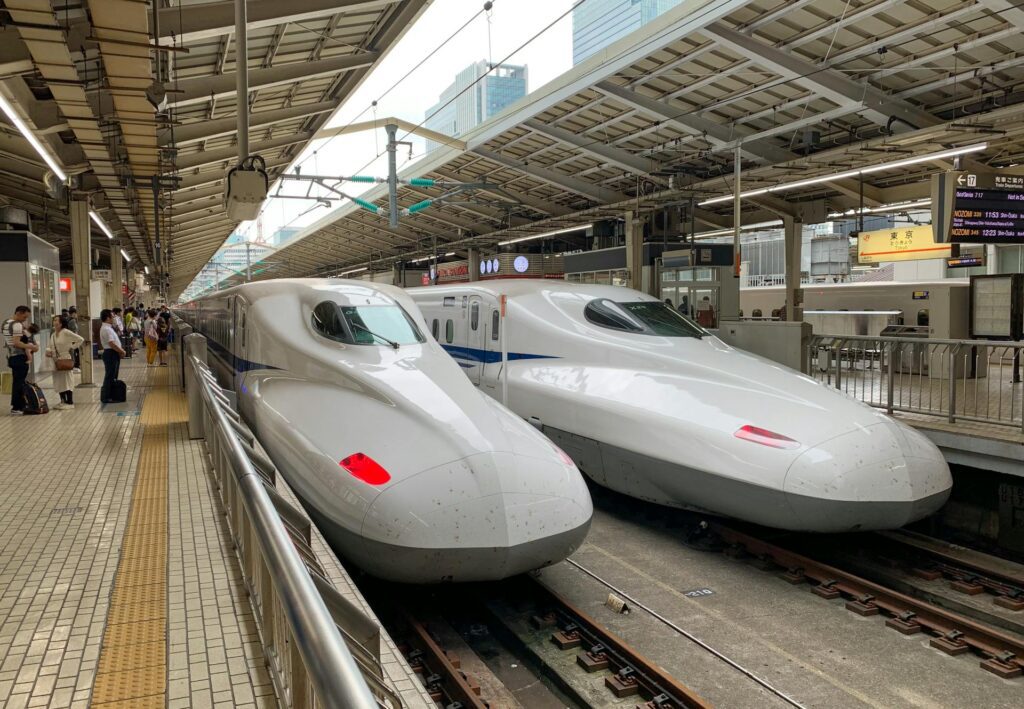
Transportation is the backbone of any Japan itinerary. Understanding how trains work, the difference between local lines and the Shinkansen, and when to use an IC card versus a paper ticket will save you time and stress. Japan’s rail system is incredibly efficient, but knowing the basics before you arrive means you won’t be standing in front of a ticket machine during rush hour wondering what button to press.
Accommodation choices matter more than you might expect. In Japan, convenience often beats luxury, especially when it comes to location. Staying near a major train station can drastically reduce daily travel time.
Cultural etiquette is another essential part of Japlanning. Simple things like where to stand on escalators, how to behave on public transport, and when to remove your shoes can make everyday interactions smoother. These small details don’t just prevent awkward moments, they help you feel more comfortable and confident navigating daily life in Japan.
Connectivity is something you’ll rely on constantly. From navigation to translation to checking train schedules, having reliable internet is key. Deciding in advance whether you’ll use pocket Wi-Fi, an eSIM, or a local SIM card is one less thing to worry about after landing.
Finally, reservations and timing play a big role in Japan travel. Many popular restaurants, museums, themed cafés, and seasonal attractions book out well in advance. Japlanning helps you identify what truly needs a reservation and what can be left flexible, so your itinerary feels balanced rather than overpacked.
Once these essentials are in place, choosing cities and planning daily activities becomes far less daunting.
Japlanning by Destination
Once the essentials are in place, Japlanning becomes less about logistics and more about shaping the kind of experience you want in each destination. While Japan is incredibly consistent in efficiency, every city has its own rhythm, priorities, and planning quirks. What works in Tokyo won’t always apply in Hakone, and Osaka requires a different approach than Kyoto.
Breaking your Japlanning down by destination helps you plan smarter instead of harder. Some cities demand advance reservations and precise timing, while others reward a slower pace and flexibility. Understanding these differences allows you to tailor your planning.
Below is a city-by-city Japlanning guide for Tokyo, Osaka, Kyoto, and Hakone, focusing on transportation, where to stay, must-book experiences, and common planning considerations for each.
Tokyo: Organized Chaos
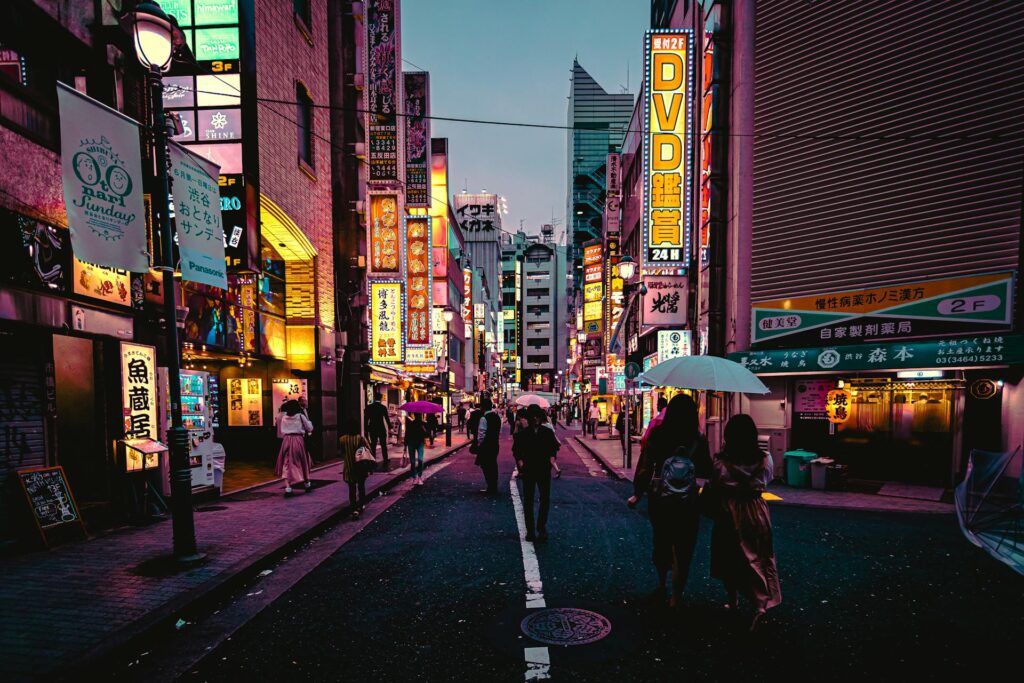
Tokyo is often where Japlanning begins. It’s a city that runs with incredible precision while appearing, at first glance, like total chaos. Multiple train lines, countless neighborhoods, and endless things to do mean that a little planning upfront can completely change how you experience the city.
Transportation is the biggest Japlanning hurdle in Tokyo. The city is served by dozens of train and subway lines operated by different companies, all intersecting at massive stations like Shinjuku, Tokyo Station, and Shibuya. Understanding how to read station signs, transfer between lines, and use an IC card will save you time and confusion, especially during peak commuting hours.
Where you stay in Tokyo matters more than you might expect. Neighborhoods like Shinjuku and Shibuya are ideal for first-time visitors thanks to their transport connections, while Asakusa offers a quieter, more traditional feel. Japlanning here means choosing convenience over square footage.
Tokyo also requires thoughtful pacing. It’s tempting to pack every day with famous sights, but the city shines when you balance headline attractions with wandering side streets, visiting smaller neighborhoods, and allowing time for unexpected discoveries. Japlanning helps you group activities by area so you’re not crisscrossing the city unnecessarily.
Finally, Tokyo is a city of reservations. Popular restaurants, themed cafés, observation decks, and immersive experiences often sell out days or even weeks in advance. Knowing what needs to be booked ahead and what can be left spontaneous is a key part of Japlanning Tokyo and the difference between feeling rushed and feeling in control.
Osaka: Food, Fun, and Day Trips
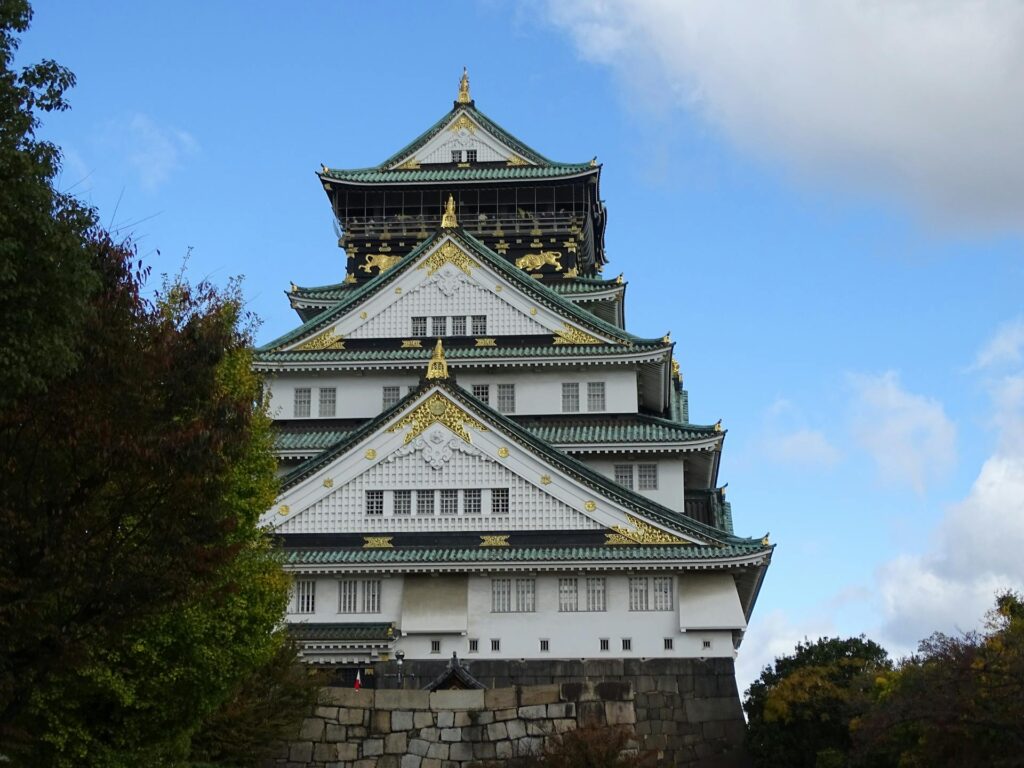
Osaka is often described as Japan’s kitchen, and your Japlanning here will likely revolve around one thing: food. Compared to Tokyo, Osaka feels more relaxed and approachable, but that doesn’t mean you can skip planning altogether. A little strategy helps you eat better, move easier, and make the most of its central location.
Transportation in Osaka is more straightforward than in Tokyo, with fewer rail operators and simpler station layouts. Neighborhoods like Namba, Umeda, and Shin-Osaka are popular bases because they offer excellent connections within the city and easy access to day trips. Japlanning in Osaka often means using the city as a hub, rather than packing every day with local sightseeing.
Food planning is where Osaka really shines. Street food areas like Dotonbori are perfect for spontaneous eating, but some of the city’s best meals—especially okonomiyaki, kushikatsu, and popular izakayas—can require reservations or strategic timing. Japlanning helps you balance must-try spots with casual wandering, so you’re not standing in line every night.
Osaka is also an ideal base for nearby destinations. Kyoto and Nara are easy day trips, making Osaka a smart choice if you want to explore the Kansai region without constantly changing hotels. Planning train routes and timing these side trips ahead of time keeps your days relaxed instead of rushed.
Culturally, Osaka is known for being friendly, loud, and less formal than other major cities. Japlanning here is less about strict etiquette and more about embracing the local energy—eating well, staying out late, and enjoying a city that doesn’t take itself too seriously.
Kyoto: Temples and Traditions
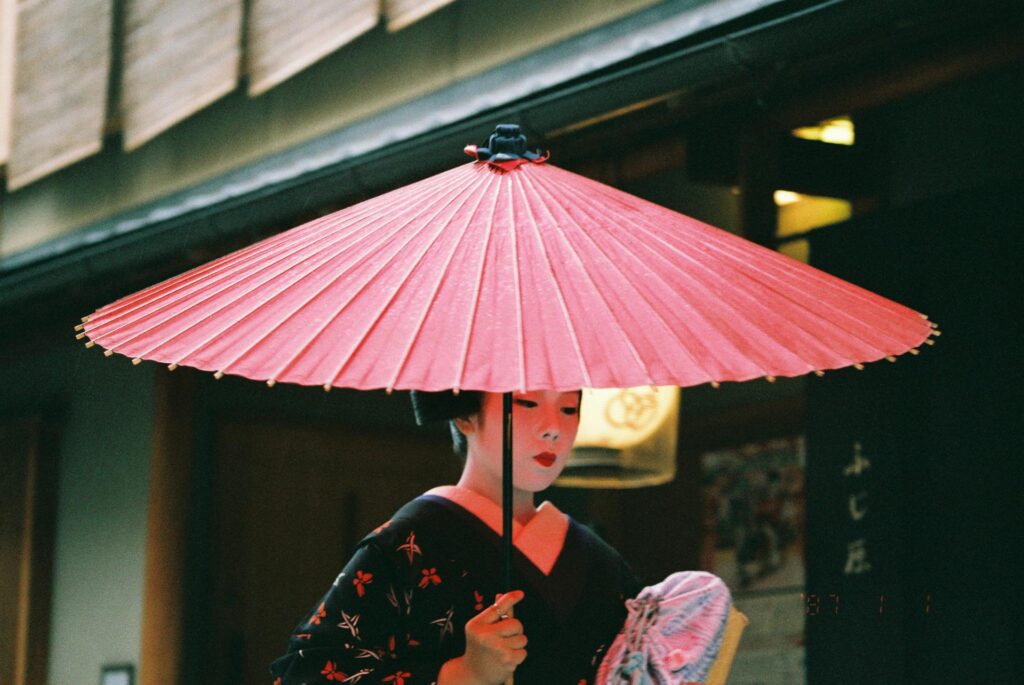
Kyoto is often described as the heart of Japan’s traditions, and your Japlaning here will likely revolve around temples, history, and slowing down. Compared to Osaka or Tokyo, Kyoto feels quieter and more reflective, but that doesn’t mean you can wander without a plan. Thoughtful planning helps you avoid crowds, move efficiently, and experience the city at a calmer pace.
Transportation in Kyoto is simpler than Tokyo but more spread out, with buses playing a bigger role than trains. Neighborhoods like Gion, Kawaramachi, and Kyoto Station are popular bases because they offer good access to major sights and convenient transportation. Japlanning in Kyoto often means grouping attractions by area, rather than crossing the city multiple times in a day.
Temple planning is where Kyoto really requires strategy. Famous sites like Fushimi Inari, Kiyomizu-dera, and Arashiyama are best visited early in the morning or later in the afternoon. Some temples have seasonal hours or special entry times, and popular areas can become crowded quickly. Japlanning helps you balance iconic landmarks with smaller, quieter temples that offer a more intimate experience.
Kyoto also pairs well with nearby destinations. Osaka and Nara are easy day trips, making Kyoto a strong base if your trip focuses on culture and history. Planning train routes and timing ahead of time allows you to enjoy these excursions without disrupting the slower rhythm Kyoto is known for.
Culturally, Kyoto is more reserved and traditional than other major cities. Japlanning here is about respecting customs, moving thoughtfully, and embracing the quieter moments, whether that’s a peaceful walk through a shrine, a tea ceremony, or an evening stroll through lantern-lit streets.
Hakone: Onsen, Views, and Weather
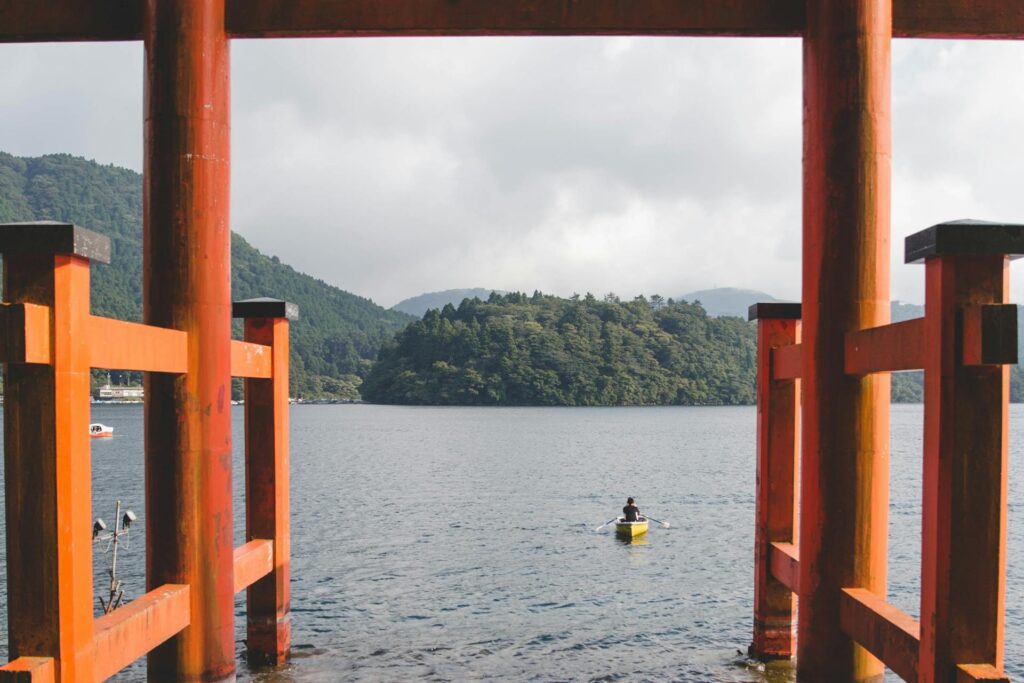
Hakone is Japan’s go-to destination for soaking in hot springs, catching glimpses of Mount Fuji, and enjoying nature. Japlanning here is about balancing timing, logistics, and flexibility, because the region’s experiences depend heavily on weather and seasonal conditions.
Transportation in Hakone is unique. The famous Hakone Round Course, combining trains, cable cars, ropeways, and sightseeing boats, offers stunning views but requires a bit of planning to navigate efficiently. Knowing how to loop the course, where to transfer, and how long each leg takes is key to a smooth day.
Onsen and ryokan experiences are another highlight. Planning ahead ensures you book accommodations that match your preferences, whether you want a private hot spring bath or a traditional multi-course kaiseki dinner. Understanding onsen etiquette, like bathing rules and towel usage, makes your stay relaxing rather than stressful.
Weather plays a big role in Hakone, especially if your goal is to catch Mount Fuji. Fog, rain, or clouds can obscure the view, so Japlanning includes backup activities like museums, short hikes, or relaxing at a café with a view. Checking weather forecasts and adjusting your schedule can make the difference between a perfect day and a missed opportunity.
Finally, luggage strategy is crucial in Hakone. Many travelers use station lockers or luggage forwarding services to move bags between Tokyo, Hakone, and other destinations. Including this in your Japlanning ensures you can move freely without being weighed down by suitcases while exploring the scenic routes.
With thoughtful planning, Hakone transforms from a potentially confusing series of transport modes and weather-dependent views into a serene, memorable escape.
Common Japlanning Mistakes to Avoid

Even the most enthusiastic Japlanners can run into trouble by trying to do too much. One of the most common mistakes is overpacking the itinerary. Japan has a way of making travel look effortless, but moving between neighborhoods, stations, and cities still takes time. Leaving breathing room in your schedule allows for delays, discoveries, and much-needed rest.
Another frequent misstep is underestimating travel time. A train ride may only be 15 minutes, but navigating a massive station, transferring lines, and walking to your final destination can easily double that. Japlanning isn’t just about distances, it’s about understanding how long things actually take on the ground.
Many travelers also forget how important advance reservations can be. Popular restaurants, themed cafés, museums, and seasonal attractions often book out well ahead of time. Assuming you can just walk in everywhere can lead to disappointment, especially in Tokyo and Kyoto.
Skipping cultural research is another avoidable mistake. Small things like talking loudly on trains, standing on the wrong side of an escalator, or not knowing basic temple etiquette can make you feel out of place. Japlanning includes learning these details so you move through Japan with confidence and respect.
Finally, trying to see everything in one trip can quickly turn Japlanning into pressure instead of excitement. Japan rewards repeat visits. It’s better to experience fewer places more deeply than to rush through a checklist. The goal of Japlanning isn’t perfection, it’s creating a trip that feels smooth, enjoyable, and uniquely yours.
Japlanning Tools & Resources
Good Japlanning doesn’t require a dozen spreadsheets, but having the right tools makes planning and traveling far easier. A few reliable resources can help you navigate Japan confidently, even when plans change on the fly.
Google Maps is essential for Japan travel, especially for walking directions, platform numbers, and real-time transit updates. When Japlanning, save key locations like hotels, stations, and restaurants in advance so they’re easy to access once you arrive. It’s also surprisingly accurate for showing which train car to board for the quickest transfers.
Translation apps are another Japlanning staple. Tools like Google Translate allow you to scan menus, signs, and notices, making everyday moments far less intimidating. Learning a few basic phrases alongside using apps goes a long way in building confidence and showing respect.
Reservation platforms can also be game changers. Many popular restaurants, experiences, and museums require advance booking, and knowing which platforms to use saves time and frustration. Japlanning includes identifying what needs to be booked early and what can remain flexible.
Finally, knowing when to DIY your planning and when to lean on guides or planners is part of the process. Some travelers love researching every detail, while others prefer a mix of structure and spontaneity. The best Japlanning approach is the one that supports your travel style.
Final Thoughts: Embrace the Japlanning

Japlanning isn’t about creating a rigid, minute-by-minute itinerary, it’s about giving yourself the freedom to enjoy Japan once you arrive. The more thoughtfully you plan ahead, the less time you’ll spend second-guessing directions, ticket options, or cultural norms, and the more time you’ll spend actually experiencing the country.
Japan is a place that rewards preparation. From smooth train transfers to memorable meals and respectful interactions, good Japlanning turns potential stress into confidence. It allows you to move through cities with ease, appreciate cultural nuances, and adapt when plans change without feeling flustered.
Most importantly, Japlanning should feel exciting, not overwhelming. Research what matters, book what truly needs booking, and leave room for spontaneity. Some of the best moments in Japan happen when you wander down a quiet street, stumble into a small café, or linger somewhere longer than planned.
Embrace the Japlanning, trust the process, and remember: the planning is part of the journey, and in Japan, it’s often the first step toward falling in love with the experience.
Until next time..
· izzy