
Updated: October 2026
The Florida Aquarium is a fun educational stop for kids and adults. Between the habitats, touch tanks and animal encounters. there is plenty to keep everyone busy. It is also an easy way to get close to sea creatures while staying dry. The aquarium sits in the Channel District of Tampa and opened in 1995.
To begin, The Florida Aquarium is accredited by the Association of Zoos and Aquariums (AZA) meaning they are a leader in conservation and education. The AZA evaluated the aquarium’s entire operation during an intense multiple-day on-site inspection in order to bestow accreditation. This process must be performed every five years to assure that they are upholding the continuously evolving standards.
Accreditation
The Florida Aquarium is accredited by the Association of Zoos and Aquariums (AZA), which recognizes strong standards in conservation and education. To earn accreditation, the AZA inspects the entire operation during a multiple-day on-site visit. The process repeats every five years to make sure the aquarium keeps meeting updated standards.
Tickets
Online reservations are required for General Admission. Tickets are sold in 30-minute time slots, and guests are not admitted before their scheduled time. A limited number of tickets are sold at the ticket office, but they cost more than tickets bought online.
Prices change based on the weather, day of the week, holidays, local events, and attendance. Expect to pay roughly $35 to $45.
Hours vary by day and season, so check the aquarium website before you go. The aquarium is closed on Thanksgiving Day and Christmas Day.
Parking
You have four options:
- Valet · Offered most days at the main entrance, 701 Channelside Drive, through The Car Park. Rates are $20 for up to 3 hours and $40 for more than 3 hours.
- Channelside Parking Garage: Located at 369 S 12th Street, 0.2 miles from the aquarium. Pre-paid parking is $1 per half hour with a daily maximum of $15.
- City of Tampa Parking Garage: Located at 864 Channelside Drive, 0.2 miles away.
- Cumberland Garage: Located at 1045 E Cumberland Avenue, 0.3 miles away.
Entrance
Guests go through security, and bags are checked. To protect the animals and the open habitats, outside food and drinks are not allowed. The exception is bottles and baby food for infants. You can also take a photo with the aquarium sign at the entrance.
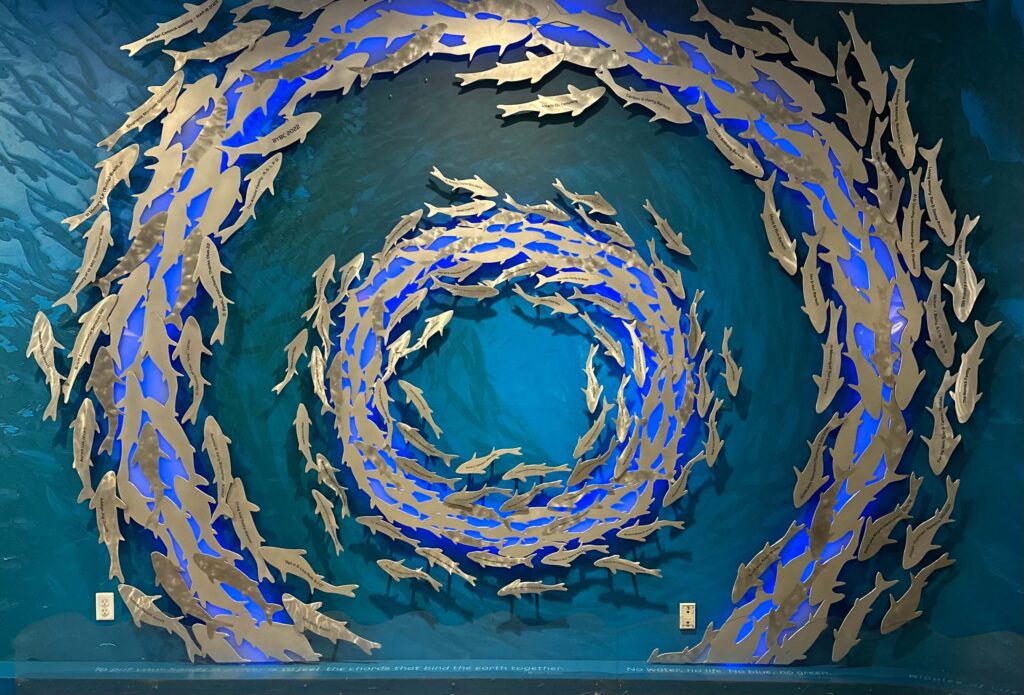
The first-floor lobby features a large art installation of metal fish and bird sculptures lit with changing colors. Each sculpture can be inscribed as a gift. Donations range from $250 for a small sculpture to $1,000 for a large one.
Habitats
The aquarium has 10 habitats that take you from tree level to sea level, with animals from Florida and around the world.
The Wetlands of Florida
The Wetlands trail winds through an 80-foot glass dome. It feels like being outdoors, without the heat and mosquitoes. Birds fly overhead, turtles bask in the sun, fish swim below, alligators nap, and river otters play. You see Florida’s freshwater environments from above and below the water.
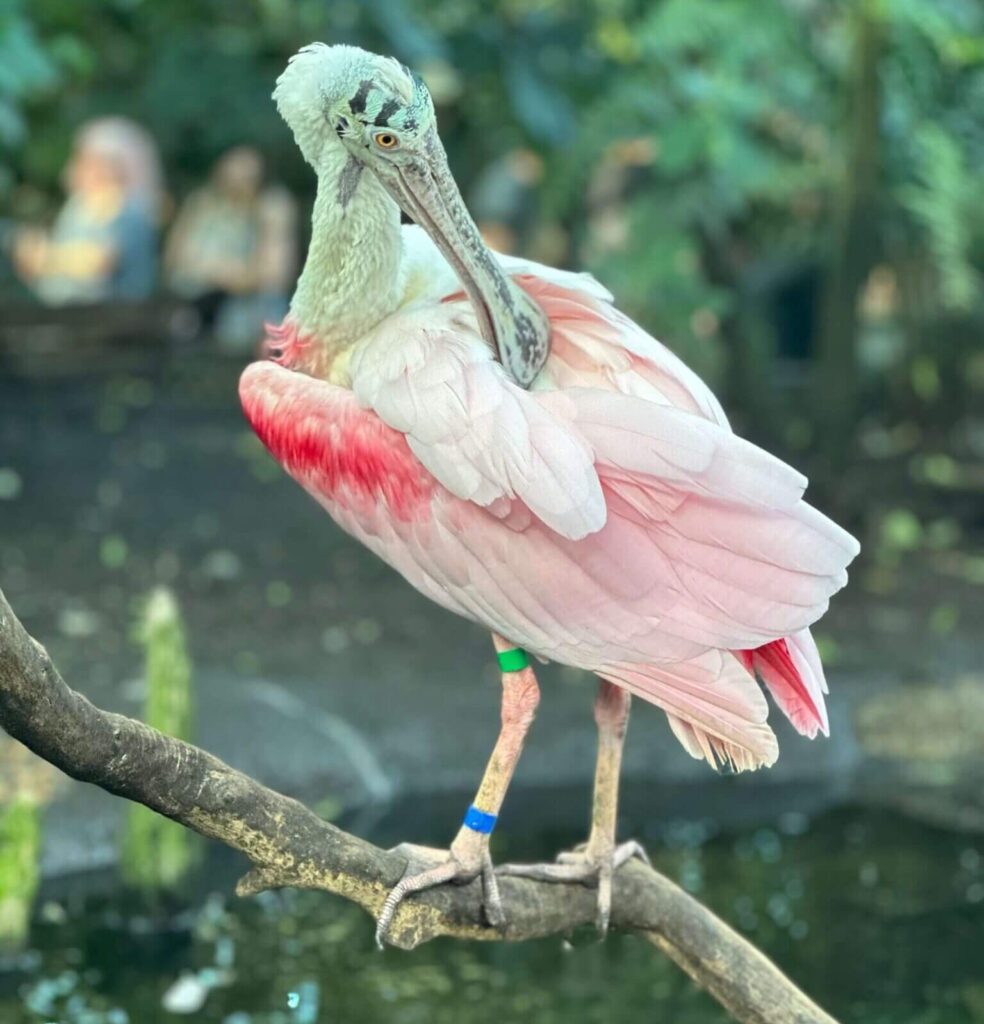
The roseate spoonbill is a large Florida wading bird with pink feathers and a spoon-shaped bill. Its color comes from a diet rich in shrimp. Young spoonbills are pale pink and darken as they mature. A group of spoonbills is called a bowl.
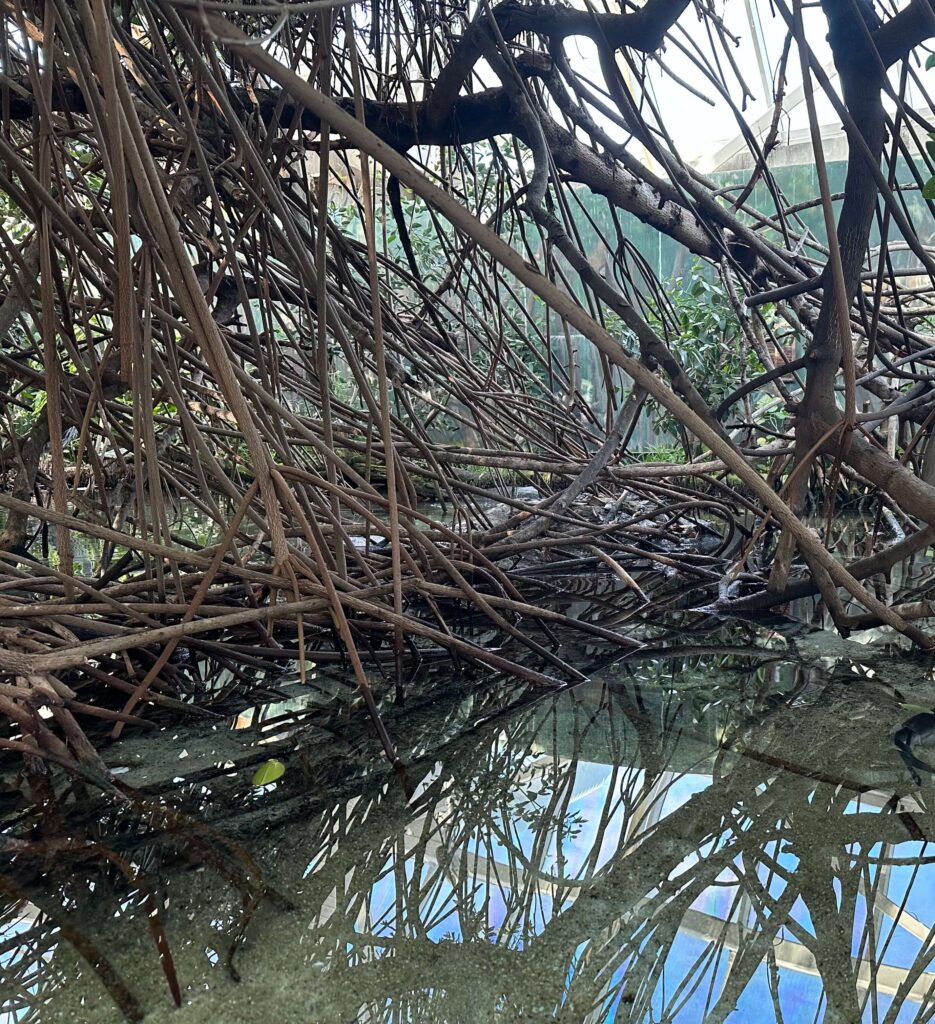
Red mangroves grow along Florida’s shoreline. Their roots spread outward from the trunk and anchor the tree in wet soil. Those roots shelter young fish and crustaceans and provide habitat for birds, reptiles, and mammals. The mangroves in the aquarium have been growing since 1995.
Journey to Madagascar
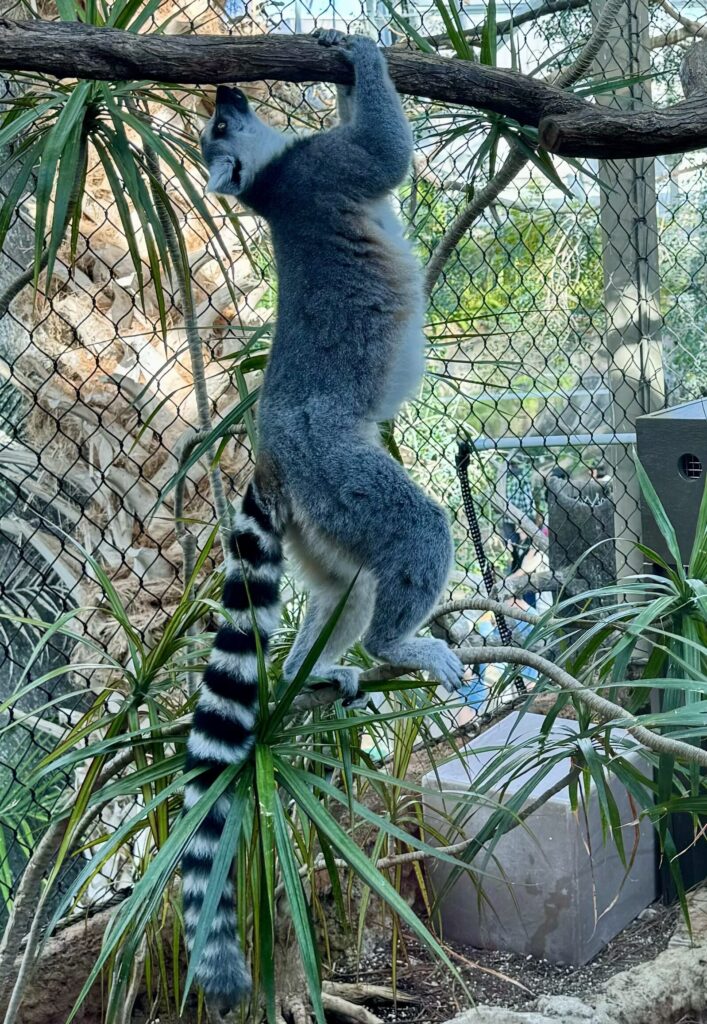
Here you can see ring-tailed lemurs, a tropical coral reef, and hissing cockroaches. About 80 percent of the animals on the African island of Madagascar are found nowhere else in the world.
Stingray Beach
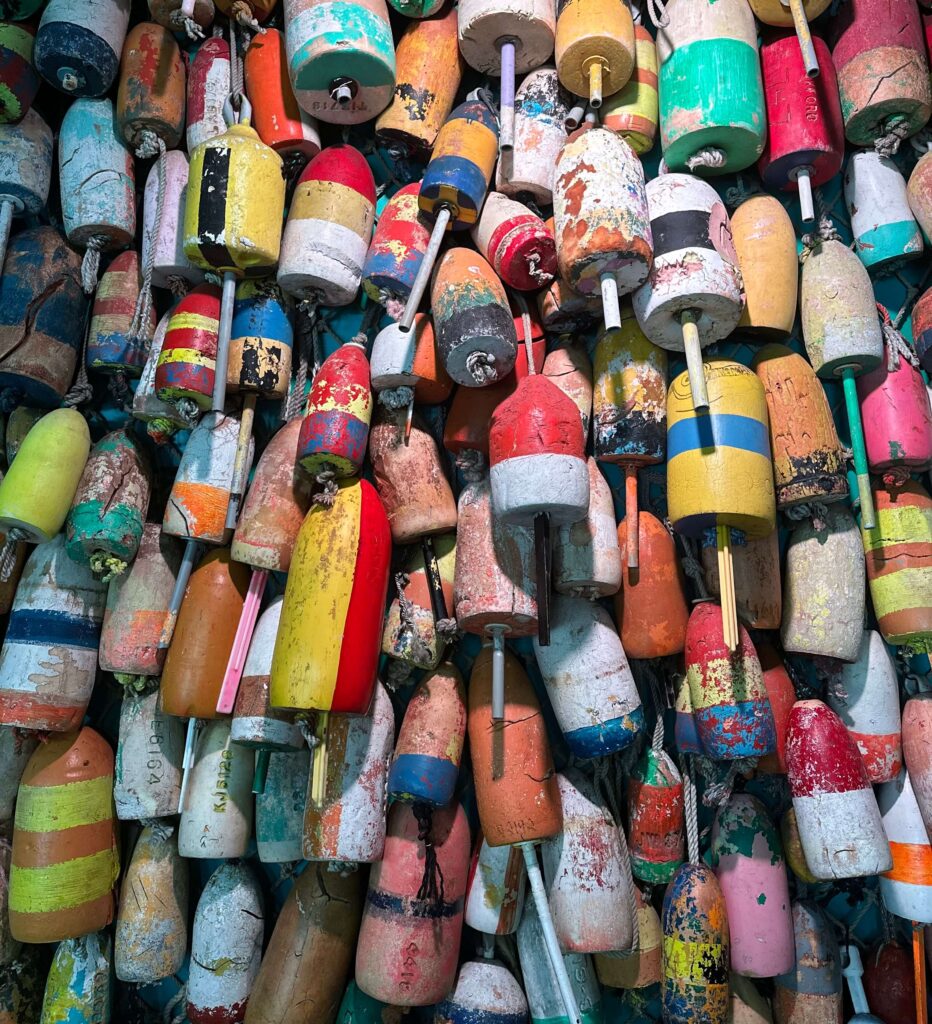
Roll up your sleeves and touch the wing tip of a cownose stingray. The wing feels smooth and velvety as the ray glides past. Stingrays suck in food and crush hard shells with their tooth plates. Florida horse conch, blue angelfish, porkfish, and doctorfish live here too. The touch tank is large, so everyone gets time with the animals. The wall of buoys nearby makes a colorful photo spot.
No Bone Zone
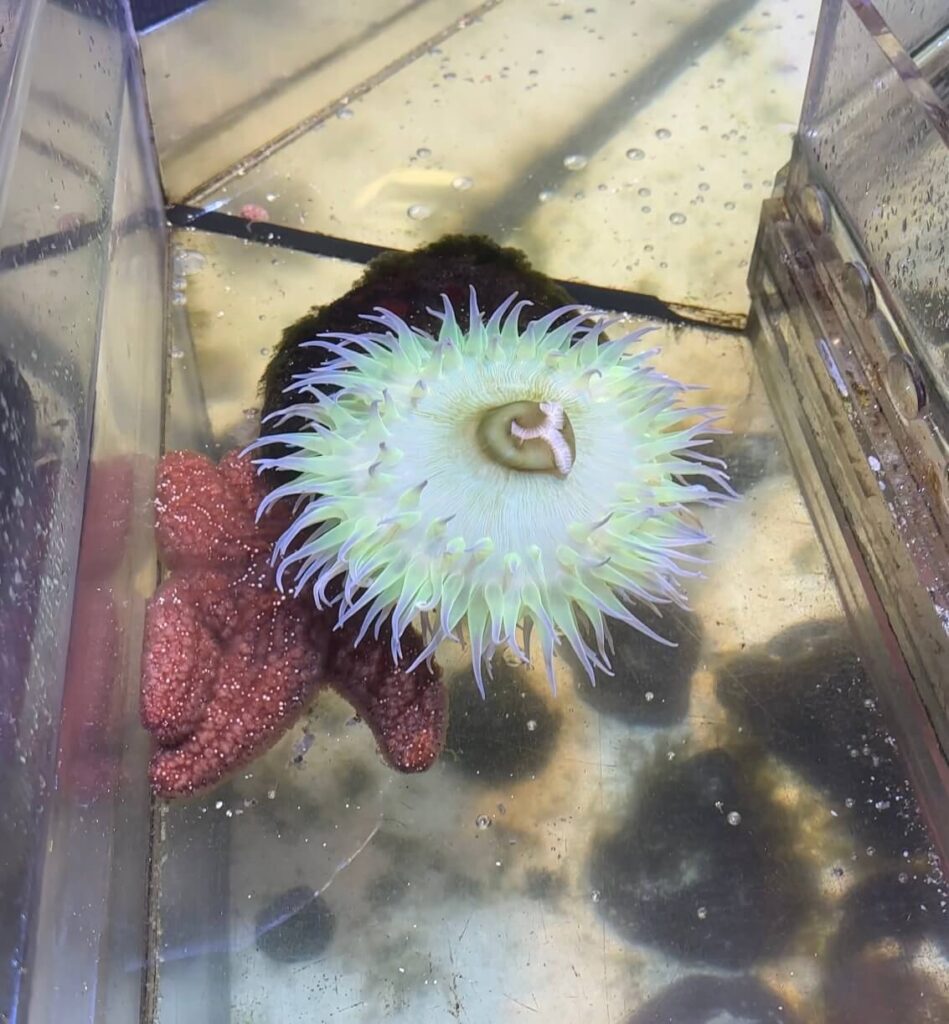
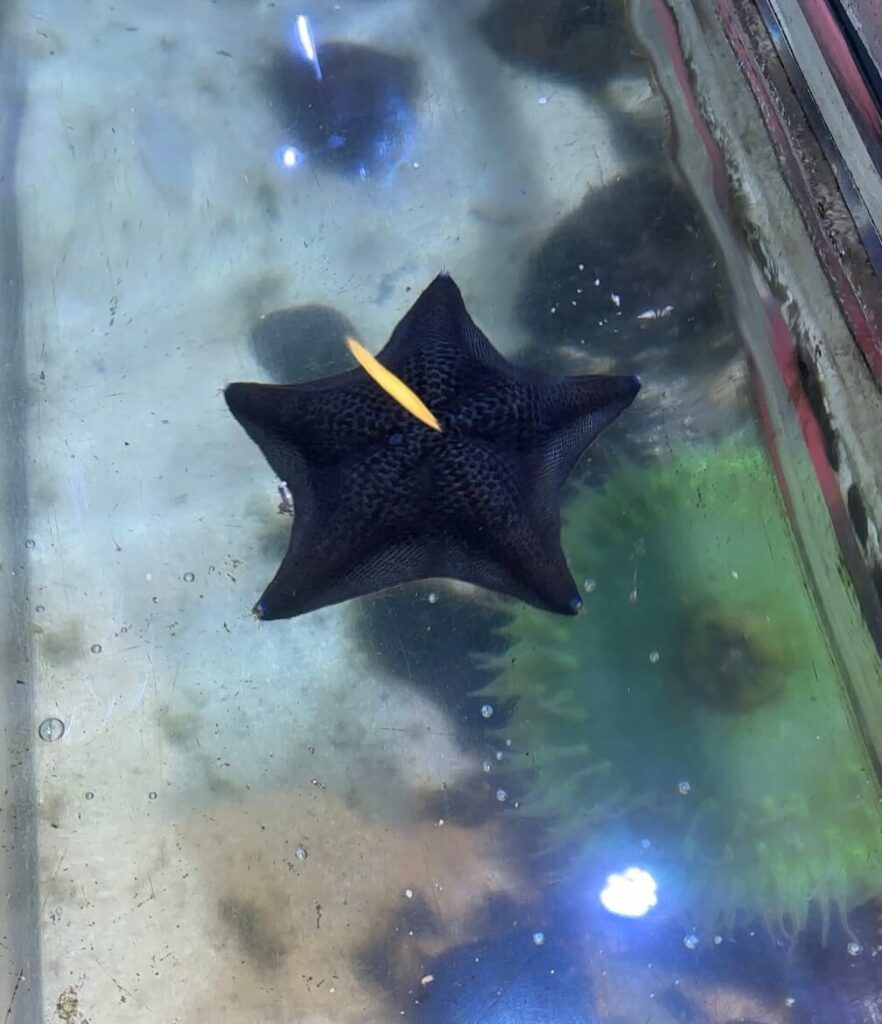
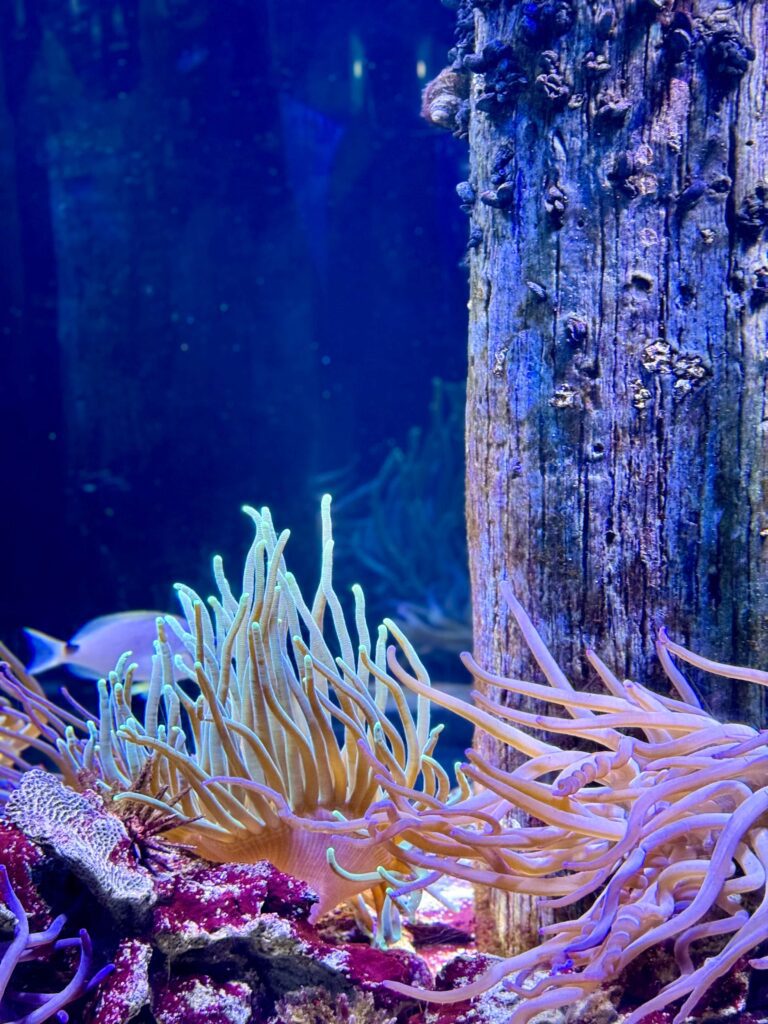
Reach into the tank to touch sea stars, anemones, and sea cucumbers. These Pacific species live in cold water, so expect the water to be chilly. The giant green anemone looks harmless, but it eats fish and other small animals.
Moon Bay
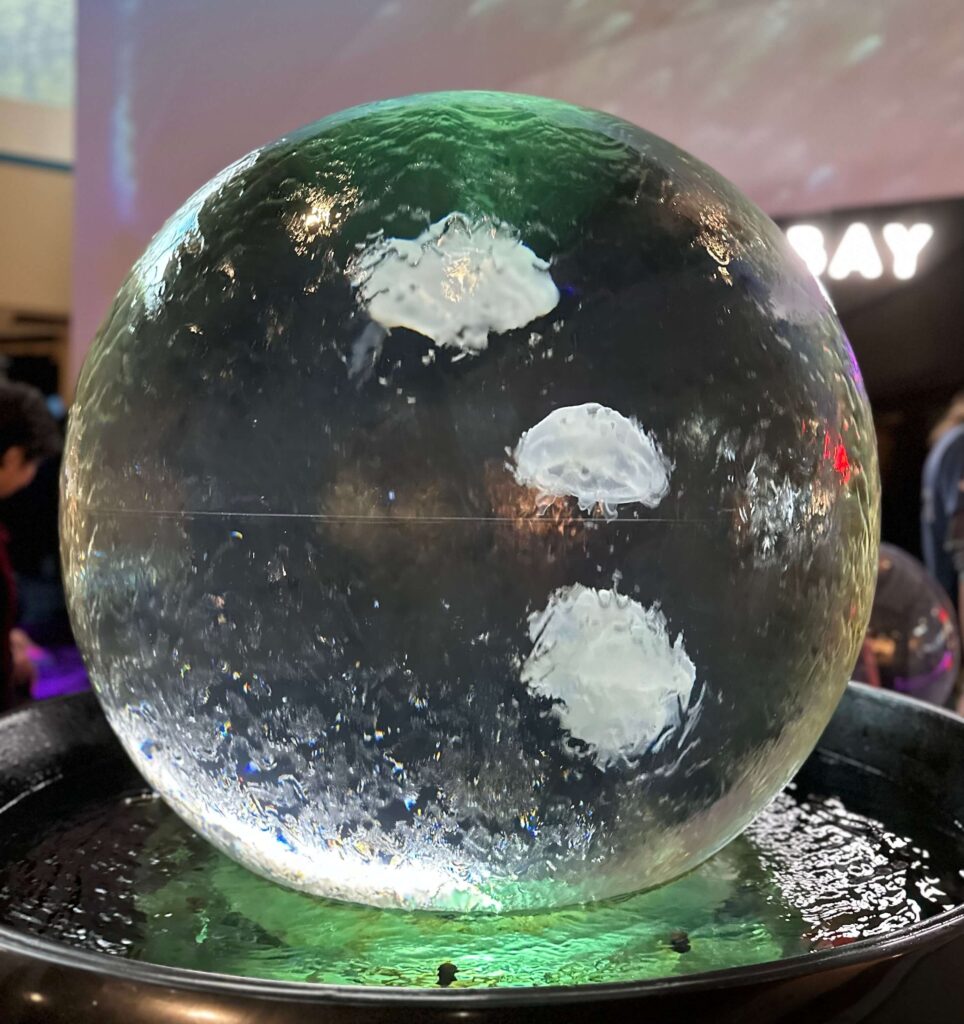
Moon Bay is the only touch habitat of its kind in the Southeast. Moon jellies are named for their round, translucent bells, and they have lived in the ocean for more than 500 million years. They have no eyes and no brain. Their stinging cells are so mild that people rarely feel them. Color-changing lights make them glow as they drift through the water.
Shorelines
This habitat shows animals that live under rock pilings and bridges along Florida’s coast, including spiny lobsters, garden eels, and pufferfish. Garden eels dig burrows in the sand for protection and usually leave them only during mating season.

MORPH’D presented by PAR®
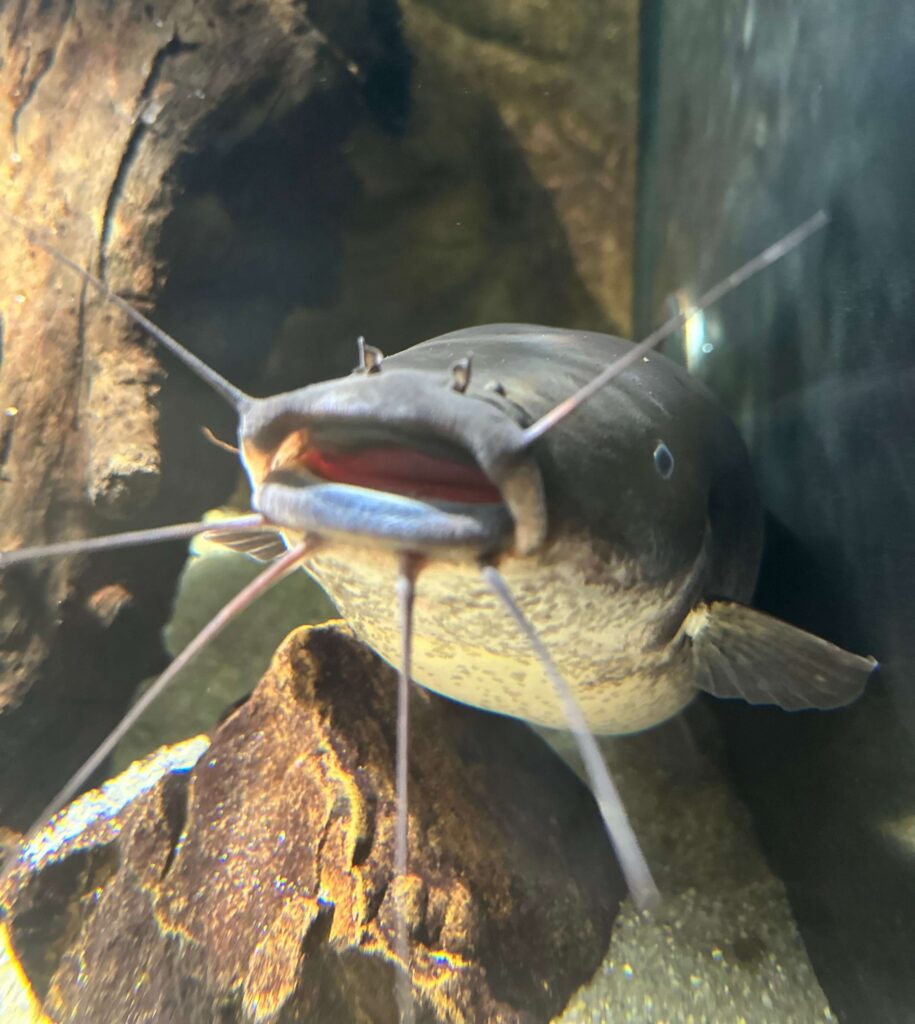
MORPH’D is a hands-on exhibit about survival. You learn about electric catfish and eels, mudskippers, poison dart frogs, and more. It is on the second floor in the Mosaic Exhibit Hall.

Coral Reef
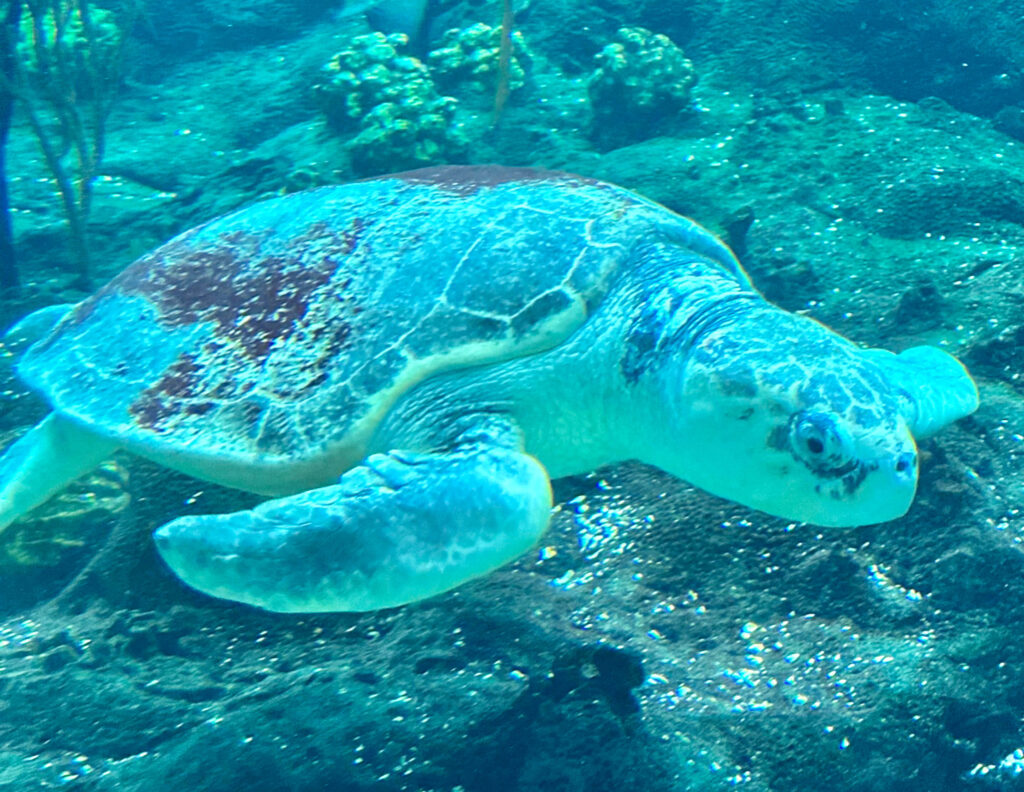
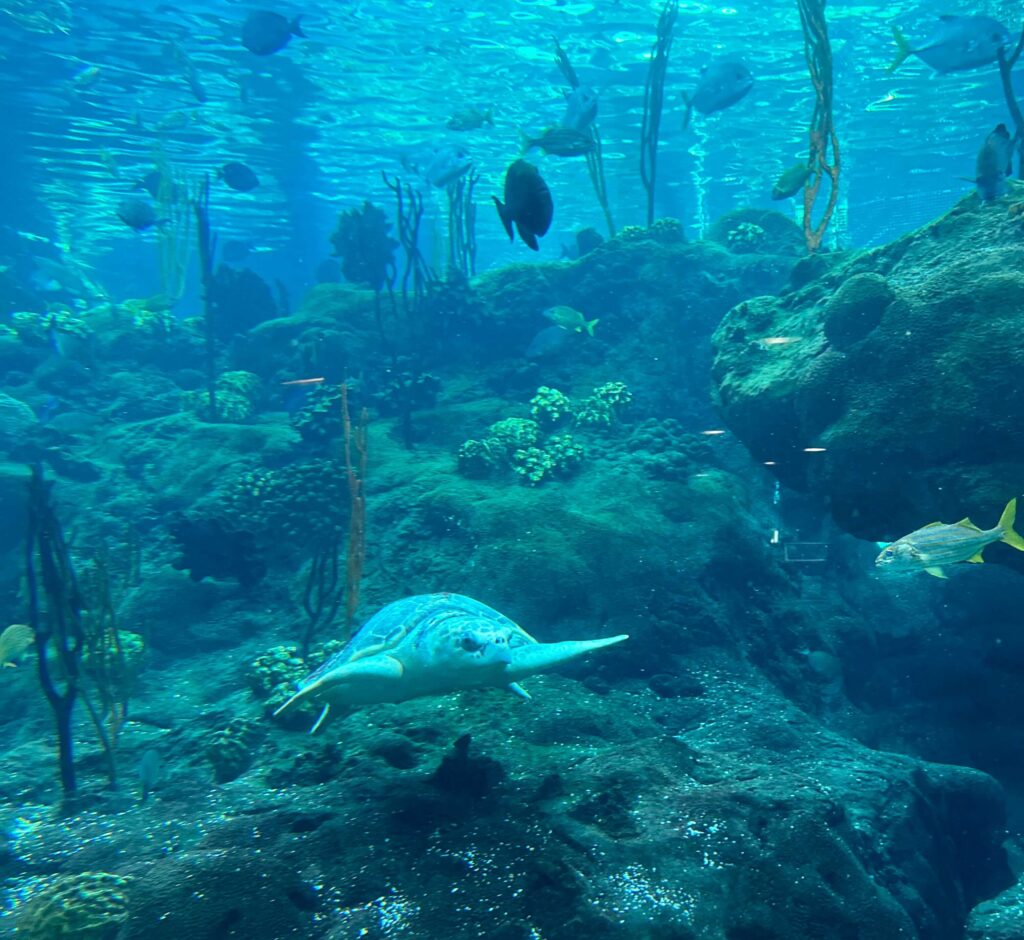
At more than 500,000 gallons, the Coral Reef is the largest habitat in the aquarium. Sand tiger sharks, sea turtles, giant Atlantic stingrays, and reef fish share the tank. It is easy to stand here for a long time.
Reef Secret
See seahorses and pipehorses, from pot-bellied to dwarf species. You can learn how they reproduce, eat, and survive.
Waves of Wonder
This gallery has jellyfish, clownfish, anemones, and a Pacific octopus. You will also see loggerhead sea turtles, hogfish, spotted eagle rays, and bonnethead sharks.
4-D Theater
The 4-D Theater is included with General Admission. Movies change from time to time, so check the schedule before your visit.
Food
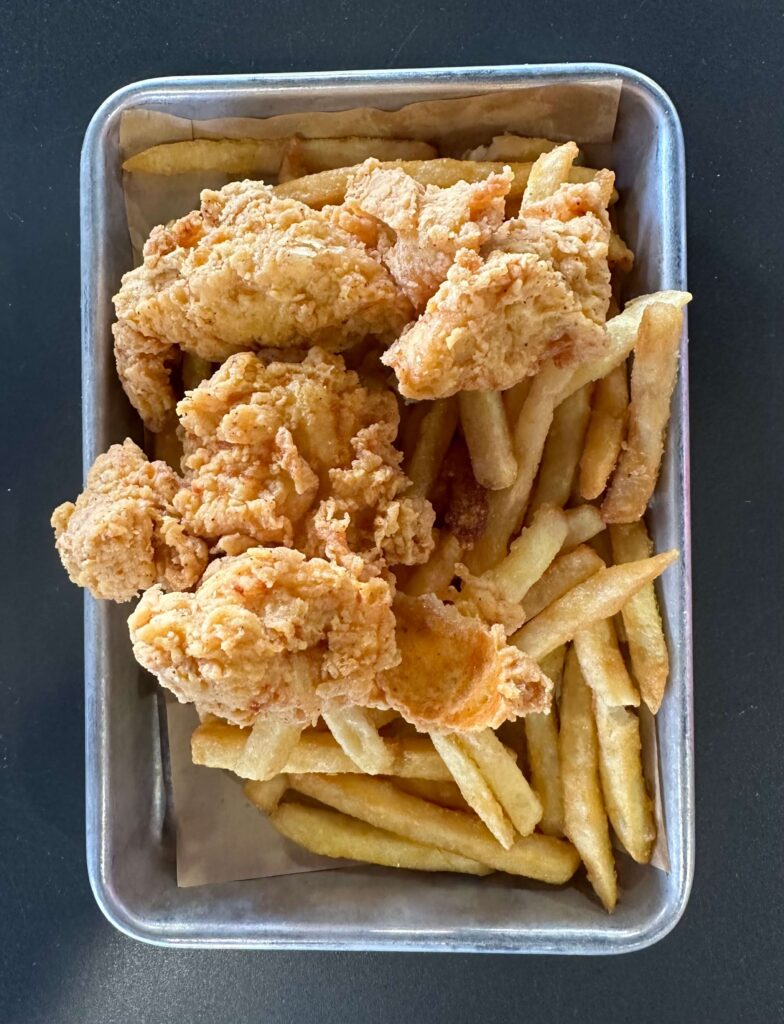
Cafe Ray and The Cove offer options for meat eaters, vegans, and everyone in between. Cafe Ray serves parmesan truffle fries, loaded nachos, and three cheese macaroni, along with burgers, chicken tenders, sandwiches, salads, and bowls. A kids menu is available. The food is good, which helps since outside food is not allowed. The Cove has cold drinks and seasonal treats, and a separate area serves beer and mixed drinks.
Gift Shop
The gift shop sells plush animals, apparel, books, and more.
Experiences
Penguin Encounter
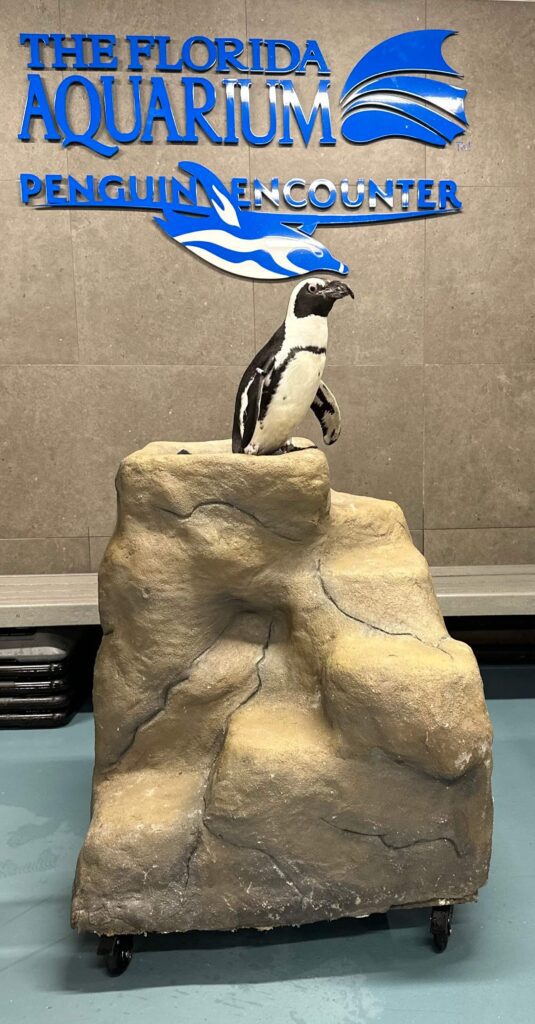
This 45-minute experience gives you behind-the-scenes access to the aquarium’s African penguins. Animal care staff share information about penguin biology, natural history, and conservation efforts. During the meet and greet, the penguins may waddle over to you. You can watch them eat fish, touch their wings, feel their feathers, and take photos.
Wild Dolphin Cruise
Board the Bay Spirit II, a 72-foot catamaran, and cruise Tampa Bay with a naturalist guide. You may spot bottlenose dolphins and many native birds.
SeaTREK
SeaTREK is a guided underwater walk in the 15-foot-deep Heart of the Sea habitat. It is designed for non-divers ages 10 and up, and there is no swimming. You walk past coral caves alongside hundreds of fish, spotted eagle rays, bonnethead sharks, and loggerhead sea turtles. The experience runs five times a day with a maximum of four participants and costs $95. General Admission is included. Plan on about an hour, including training and safety.
Bring a swimsuit, towel, and shower items. All gear, including a wetsuit, is provided. Locker rooms with showers are available before and after.
Florida Close
You can see the highlights in about two hours, but a half day gives you time to enjoy everything at a relaxed pace. If you love touching sea creatures, the touch tanks here are well worth the trip.
— izzy
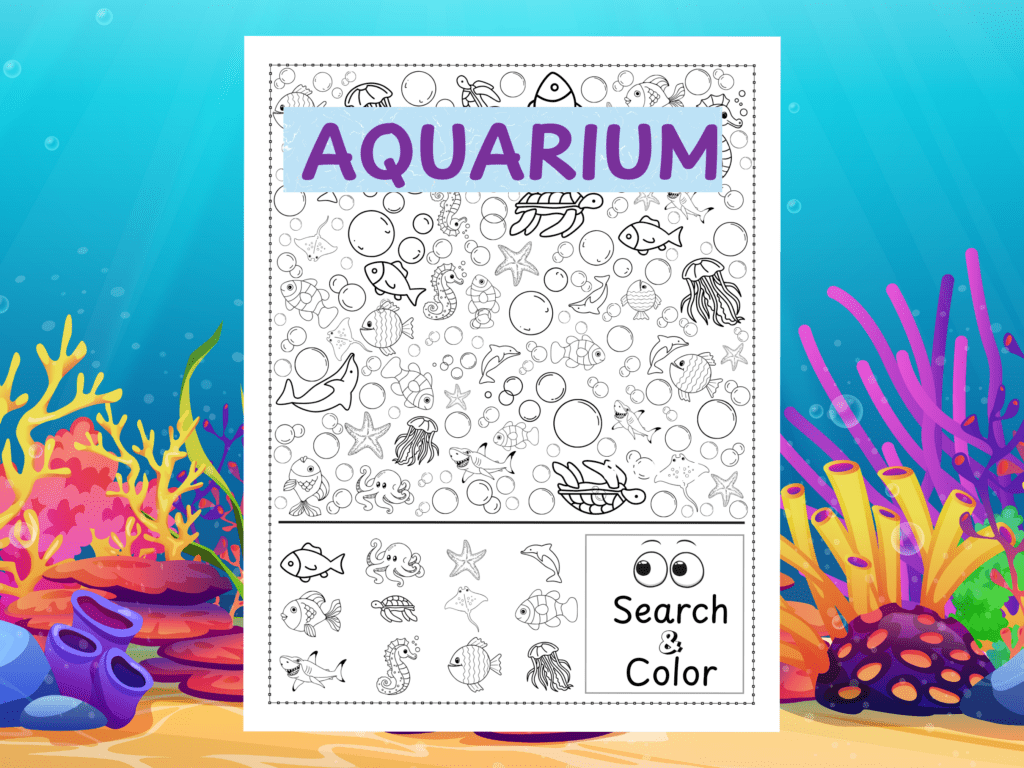
Print this aquarium scene for your kids to color while they search for the hidden objects.