
Updated: July 2026
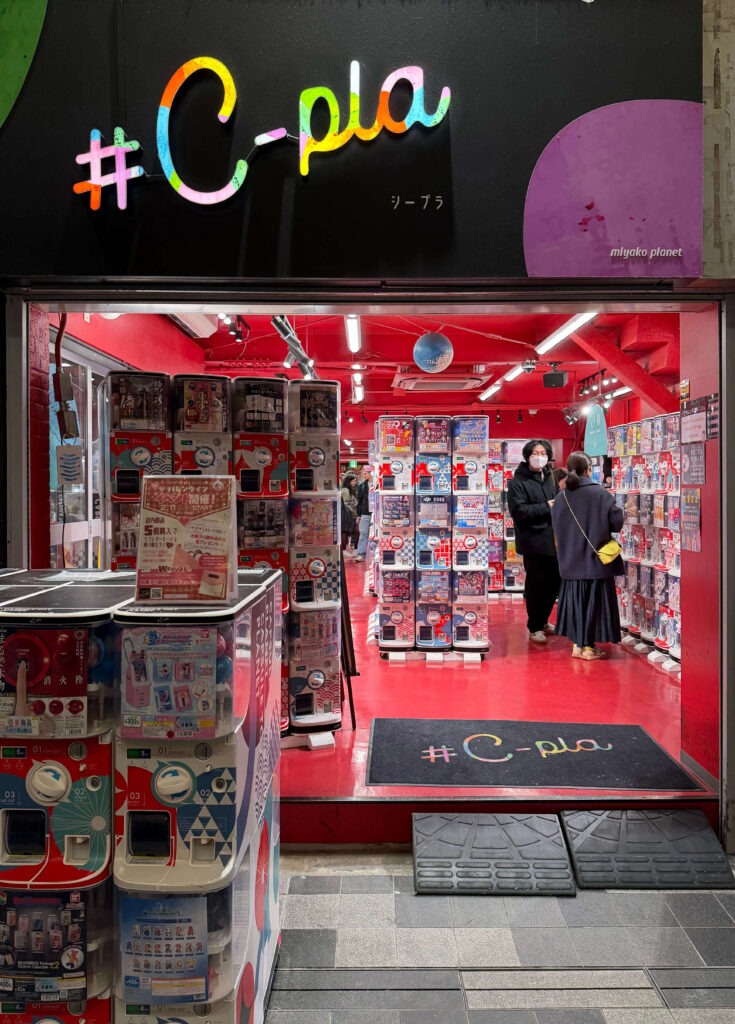
Walk down almost any street in Japan and you will eventually run into a wall of glowing machines, rows of clear plastic domes packed with tiny mysteries, a hand-crank handle, and a line of people who cannot resist just one more try. These are gachapon, and once you understand what they are and why they are everywhere, you will start spotting them on every corner.
If you are still in the planning stages of your trip, Japlanning 101: Your Crash Course to an Epic Trip is the best place to start.
What Is a Gachapon
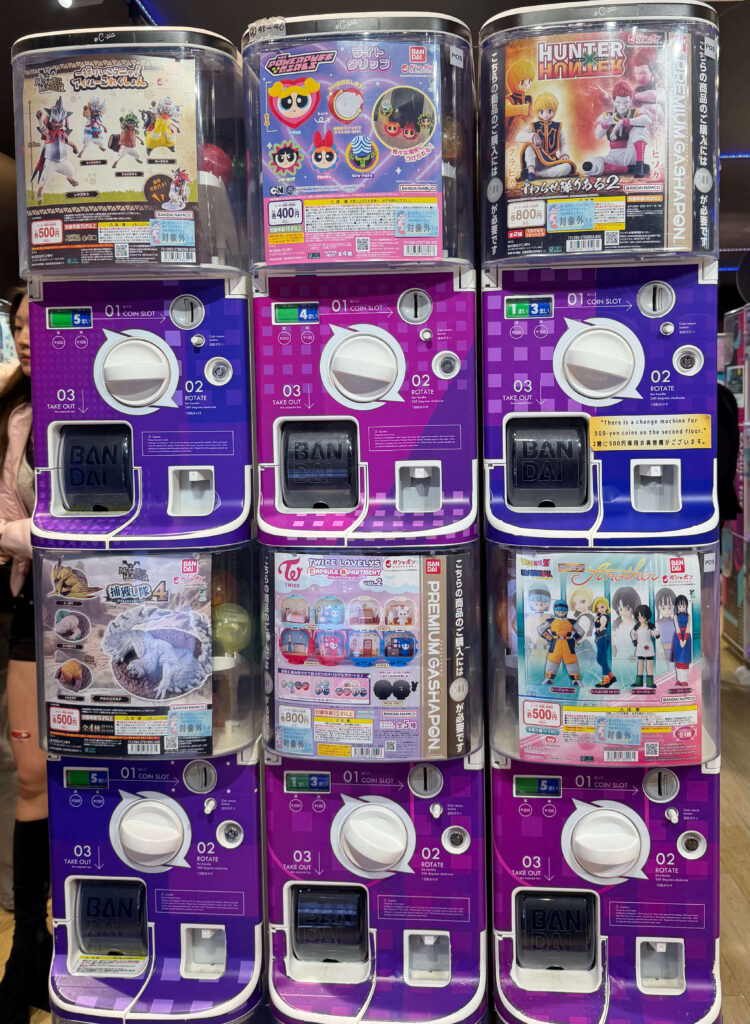
Gachapon, also spelled gashapon and sometimes called gacha-gacha, are vending machines that dispense small toys sealed inside round plastic capsules. You insert coins, turn the crank, and a capsule drops into the tray below. The toy inside is always a surprise. Machines display the full set of possible toys on the front, but there is no way to choose which one lands in your capsule, which is exactly the point.
Where They Came From
The concept traces back to coin-operated gumball machines that first appeared in the United States in the 1880s, dispensing gum and small trinkets. That idea reached Japan in 1965, when Tokyo entrepreneur Ryuzo Shigeta, now remembered as the grandfather of gachapon, founded the country’s first toy vending machine company in Asakusa. Shigeta had received a gumball machine from an American supplier and saw an opportunity to refine it, enclosing each toy in its own small plastic capsule instead of leaving items loose inside the machine.
The concept spread through Japan during the 1970s, and in 1977 the toy company Bandai entered the market and trademarked the name Gashapon. Bandai’s involvement transformed capsule toys from simple trinkets into detailed, collectible figures tied to popular characters, and the category has grown into a defining piece of Japanese pop culture ever since.
How Much They Cost
Prices generally run between 100 and 500 yen per capsule, with premium or especially detailed figures sometimes running higher. Most machines only accept 100 yen coins, so it is worth keeping a small stash of them on hand while exploring. The low price is part of the appeal. It is an easy, low-stakes impulse that somehow never feels like a bad decision, even on your fifth capsule of the afternoon.
The Fascination
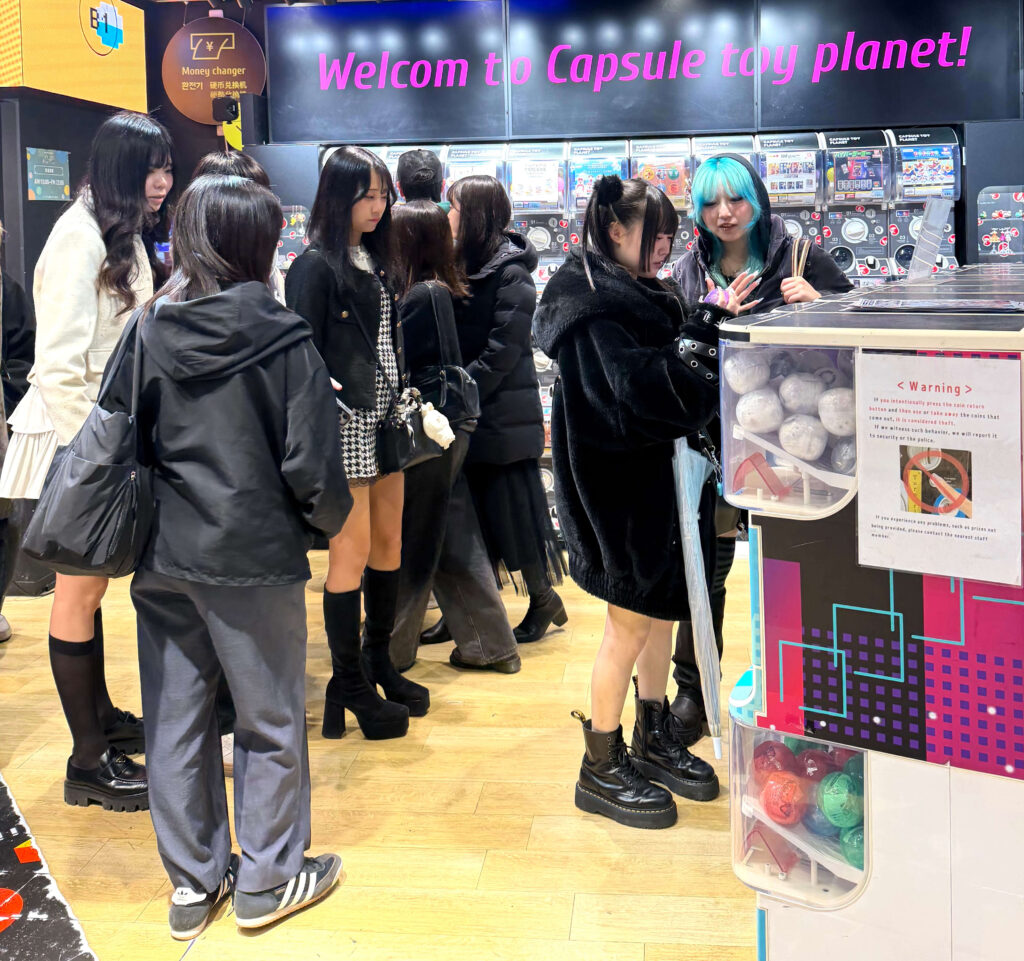
Part of the draw is simply not knowing what you are going to get. Each pull is a small gamble with a guaranteed reward, since every capsule contains something, unlike a Western-style loot box that can come up empty. That guaranteed win, paired with genuine uncertainty over which specific item you receive, taps into the same instinct that makes any game of chance fun without ever feeling like a real risk.
The other half of the appeal is craftsmanship. Capsule toys are often far more detailed than their tiny price tag suggests, from miniature food replicas to expressive character figures, and manufacturers release well over a hundred new designs every month. Collectors chase full sets, trade duplicates with strangers, and treat the empty capsules almost like tickets from a very affordable carnival game.
Where to Find Them
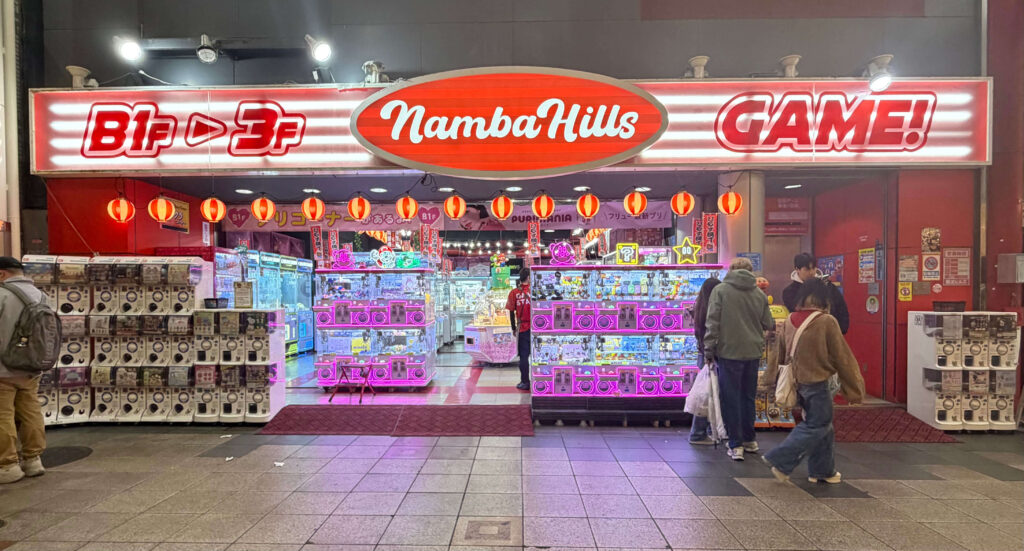
Gachapon machines are genuinely everywhere in Japan, tucked into train stations, convenience stores, shopping malls, and tourist attractions across the country. Some locations take the concept to an extreme. Akihabara in Tokyo is considered the spiritual home of gachapon, and Ikebukuro’s Gashapon Department Store inside Sunshine City holds the record for the most machines in a single location, with thousands lined up under one roof.
Japan Close
Gachapon are proof that delight does not need to be expensive or complicated. A few coins, a crank, and a small plastic capsule are enough to turn an ordinary street corner into a tiny moment of anticipation. Keep a pocket of coins ready, because once you start, it is genuinely hard to stop at just one.
For a similar dose of only-in-Japan charm, my Ultimate Guide to the Japanese Lucky Cat and Ultimate Guide to Decorative Manhole Covers in Japan cover two more small details that say a lot about how much personality Japan packs into everyday objects.
— izzy