
Updated: June 2026
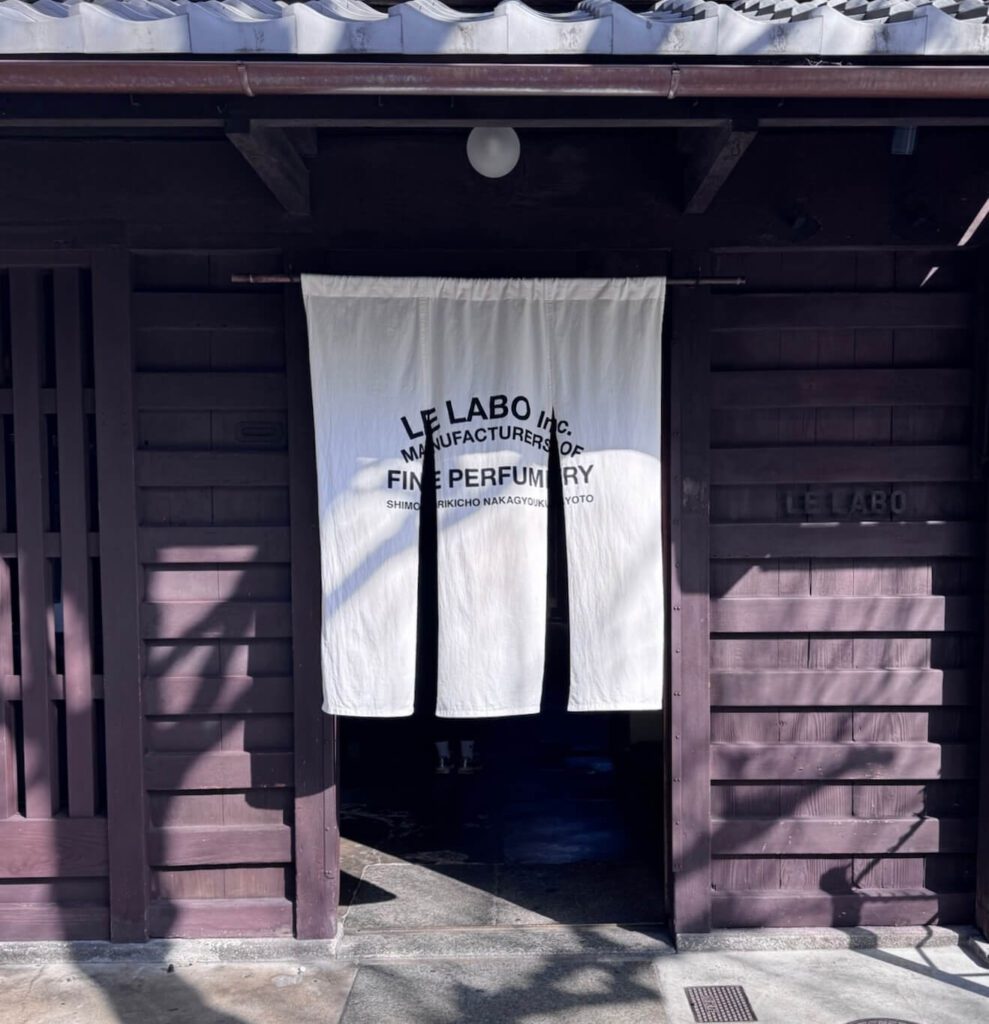
One of the most iconic details in Japan is the noren—traditional fabric curtains that hang in doorways of restaurants, shops, and bathhouses. More than decorative, they signal that a space is open, welcoming, and rooted in tradition.
If you’re planning a trip to Japan, you’ll notice noren almost everywhere—one of many small cultural details that make traveling here so special. For more tips and inspiration, see my Japlanning 101: Your Crash Course to an Epic Trip.
What Makes Japanese Noren Unique
Each noren is unique. Many display the name of the business, a family crest (mon), or simple, elegant designs that reflect what’s inside. Beyond their visual appeal, noren carry historical and cultural significance, representing tradition, trust, and the identity of the establishment. Over time, the fabric naturally fades and softens, which adds to the charm and authenticity of these traditional Japanese curtains.
History of Noren in Japan
Noren date back centuries, originally used as practical cloths to protect interiors from dust, wind, and sunlight. Merchants began using them as a way to identify their shops, marking their presence in busy marketplaces. Over time, noren became symbolic: they represented the business’s reputation, pride, and reliability. Some noren have been preserved and passed down for generations, becoming treasured heirlooms.
Types of Noren in Japan
Noren come in different lengths, fabrics, and styles, each with its own purpose:
- Short noren – Easy to pass through, common in casual eateries.
- Full-length noren – Provides privacy, often used in traditional restaurants, bathhouses, and tea houses.
- Custom designs – Many shops commission noren with logos, calligraphy, or illustrations that showcase their brand or specialty.
Where You’ll See Noren in Japan
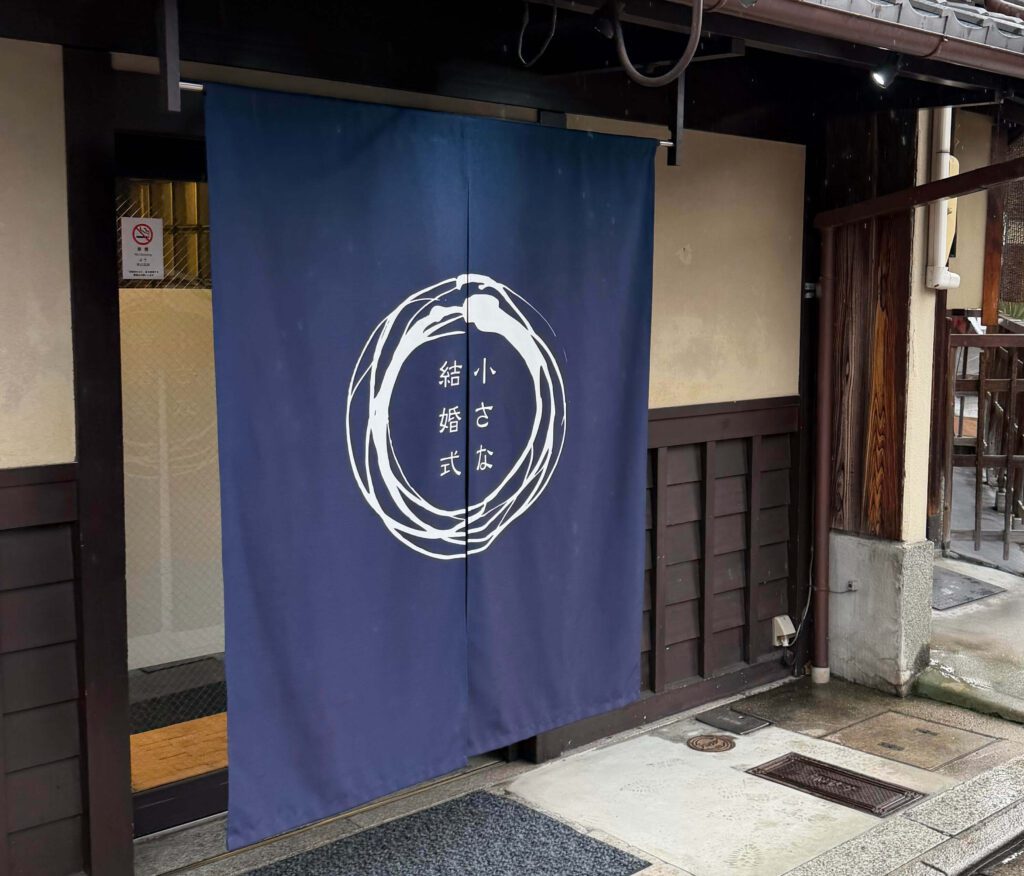
Japanese noren are everywhere once you start noticing them:
- Ramen shops and izakayas – inviting you in for a freshly prepared meal.
- Bathhouses (onsen) – often indicating gendered entrances.
- Tea houses and ryokan (traditional inns) – creating a quiet, intimate atmosphere.
- Modern boutiques and cafes – blending traditional design with contemporary branding.
Cultural Etiquette
Stepping through a noren may seem simple, but there’s etiquette involved. Gently part the fabric in the middle, and walk through without yanking or pulling it aside. This small gesture shows respect and allows you to experience the moment as intended: a transition from the street into a welcoming, intimate space.
Seasonal and Modern Variations
Many businesses change their noren with the seasons: lighter fabrics in summer, thicker for winter, or subtle color changes to match festivals or holidays. Modern shops sometimes use minimalist designs or bold graphics, maintaining the traditional function while giving it a contemporary twist.
Noren in Kyoto and Special Spots
Kyoto, in particular, is famous for its stunning noren displays, blending tradition with artistry. A perfect example is the Le Labo Kyoto store, located in a beautifully preserved traditional machiya townhouse. The store’s noren merges Japanese heritage with Le Labo’s minimalist design, creating a subtle, sensory invitation for visitors to step inside. Passing through these curtains feels like entering a hidden world—a quiet, calming pause from the bustling streets outside.
For a deeper look at this experience, read my full post: Le Labo Kyoto: A Unique Blend of Design and Fragrance, where I share more about how the space blends tradition, design, and scent.
Why Travelers Love Noren
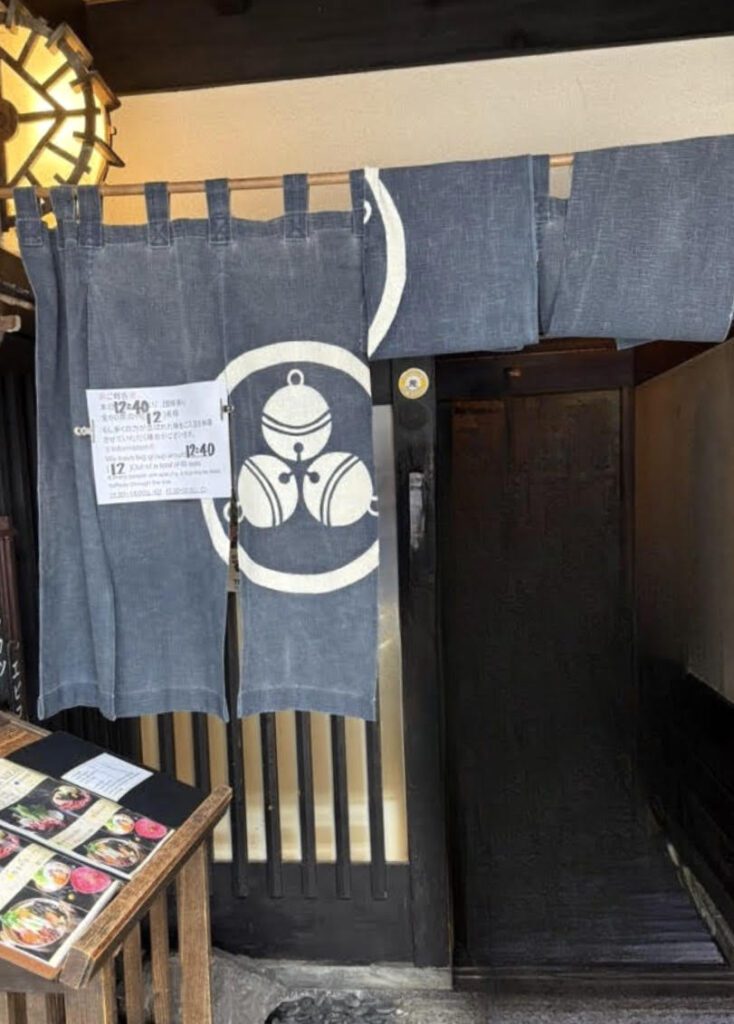
A soft welcome in fabric form, inviting you inside for something memorable.
For travelers, noren add a sense of discovery. They frame each entrance, hint at what’s inside, and turn an ordinary doorway into a moment of anticipation. Stepping through one feels like crossing into a more intimate, local side of Japan.
Tips for Experiencing Noren
- Take a moment to observe the design—some have centuries-old calligraphy or symbols.
- Respect the etiquette; gently part the curtain and step inside.
- Notice seasonal changes or unique materials, especially in traditional towns like Kyoto and Kanazawa.
- Don’t rush past them—part of their charm is the small ritual of crossing through.
Wrap Up
Stepping through a noren is more than just walking into a shop—it’s a small, beautiful ritual that connects visitors to centuries of Japanese tradition. From the intricate designs to the gentle sway in the breeze, noren add charm, history, and a sense of discovery to every corner of Japan.
— izzy