
Updated: September 2026
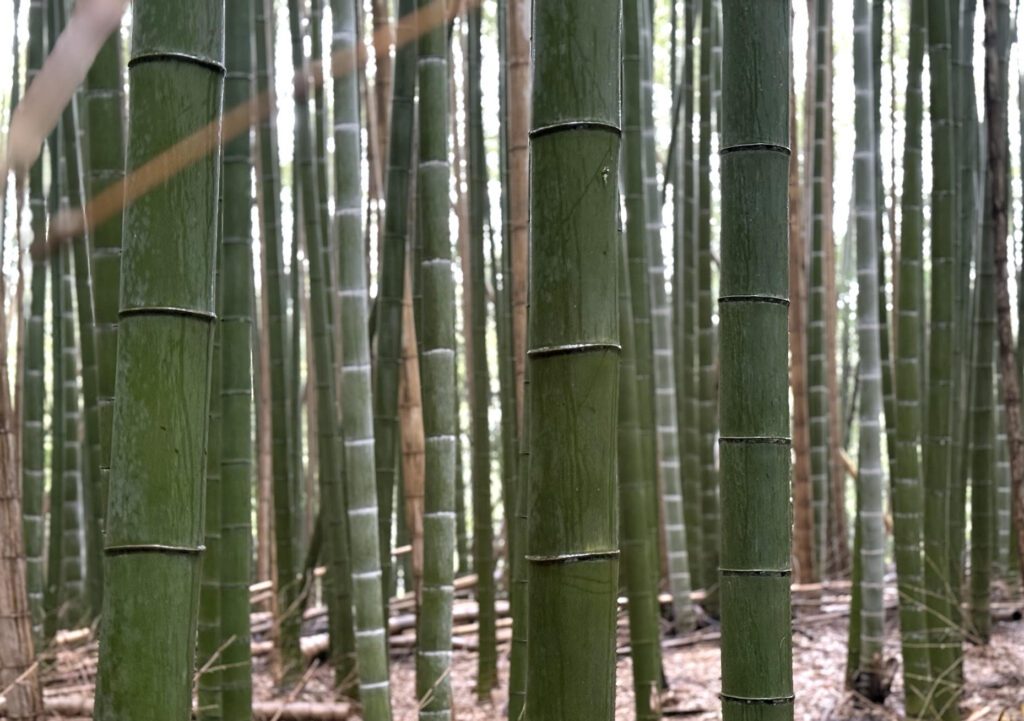
Arashiyama sits on the western edge of Kyoto, where the city slowly gives way to river views, forested hills, and a noticeably slower pace. It’s one of the most popular day trips from central Kyoto.
Best known for its bamboo grove, Arashiyama is really a mix of nature, history, and small neighborhood charm. You’ll find riverside walking paths, centuries-old temples, quiet shrines tucked into side streets, and cafés and shops woven between it all. It’s the kind of place where you can go from a UNESCO temple to a matcha dessert shop in just a few minutes.
This website uses affiliate links which may earn a commission for purchases at no additional cost to you.
Discover Arashiyama
Arashiyama is just a short train ride from central Kyoto, and once you arrive the pace immediately shifts into river views, forested hills, and quiet streets.
It’s best known for its bamboo grove, temples, riverside walks, and small neighborhood cafés and shops, all within a walkable area. It’s the kind of place you can explore slowly, moving between nature, culture, and food without ever feeling rushed.
Getting to Arashiyama
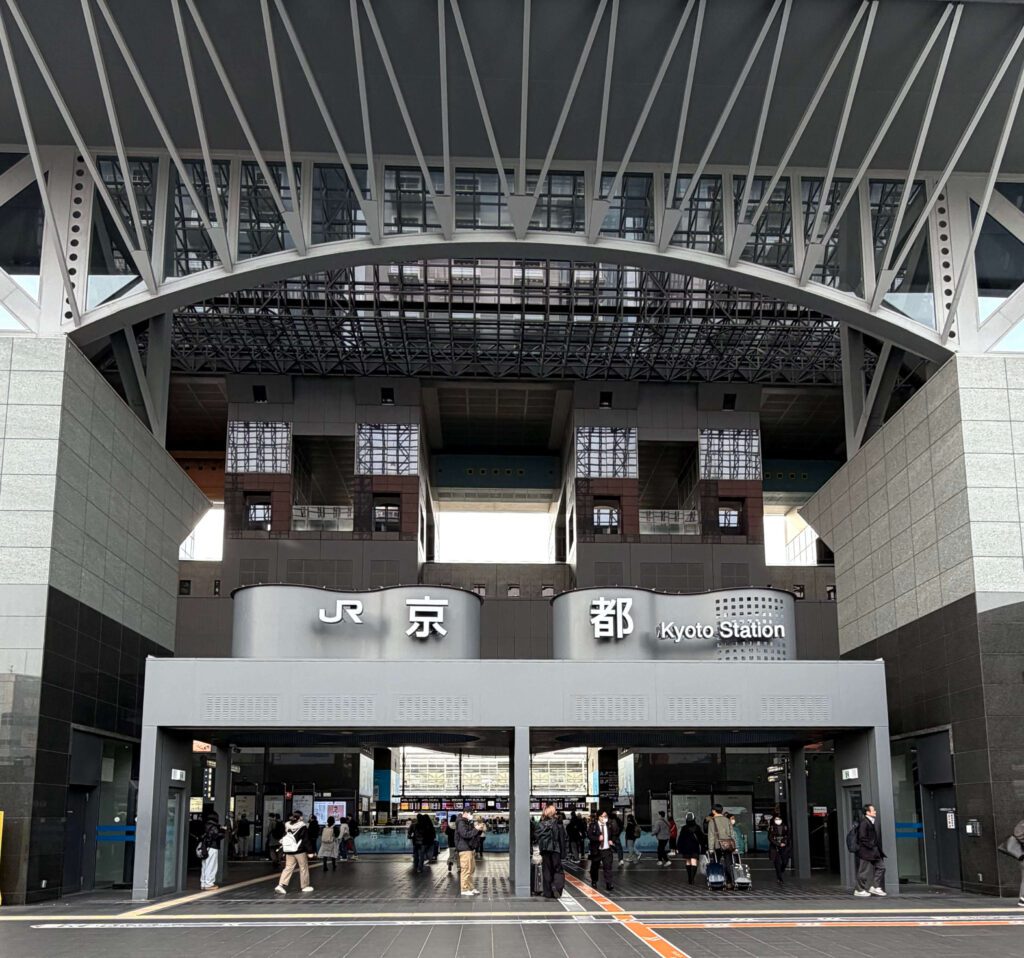
Reaching Arashiyama from central Kyoto is easy, with several convenient options.
By JR Sagano Line · The fastest way is via the JR Sagano Line from Kyoto Station. Local trains take about 16 minutes, while rapid trains make the trip in 12 minutes, with trains running roughly every 15 minutes.
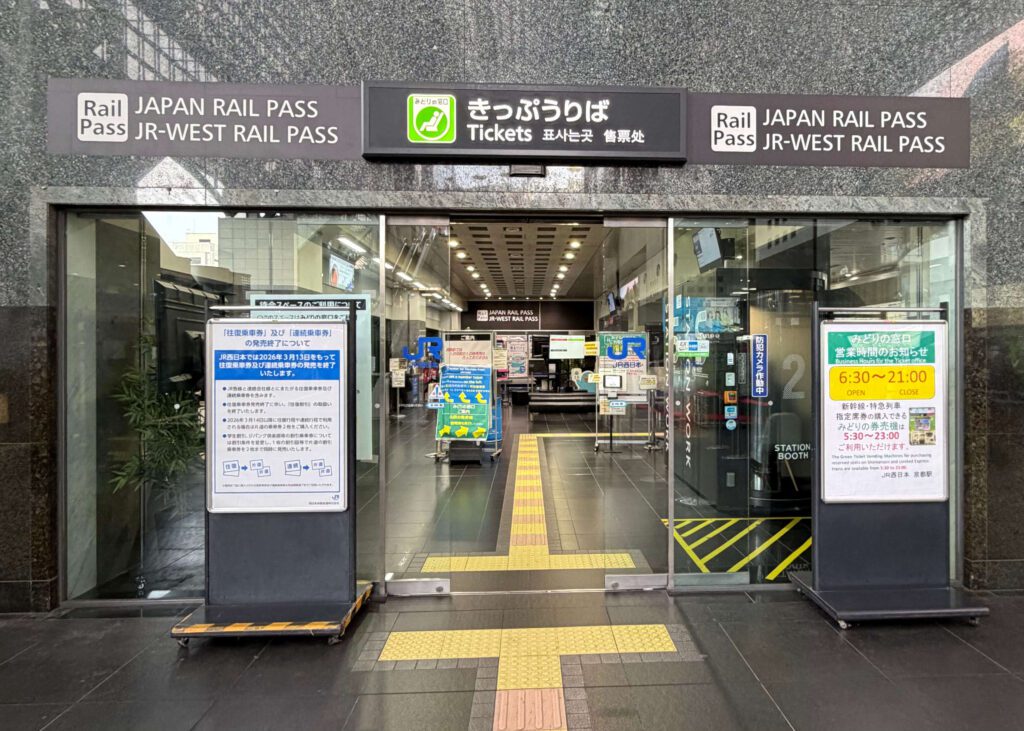
We took the JR Sagano Line from Kyoto Station and found it to be an easy option. The process was straightforward, with clear signage and everything well-marked in English.
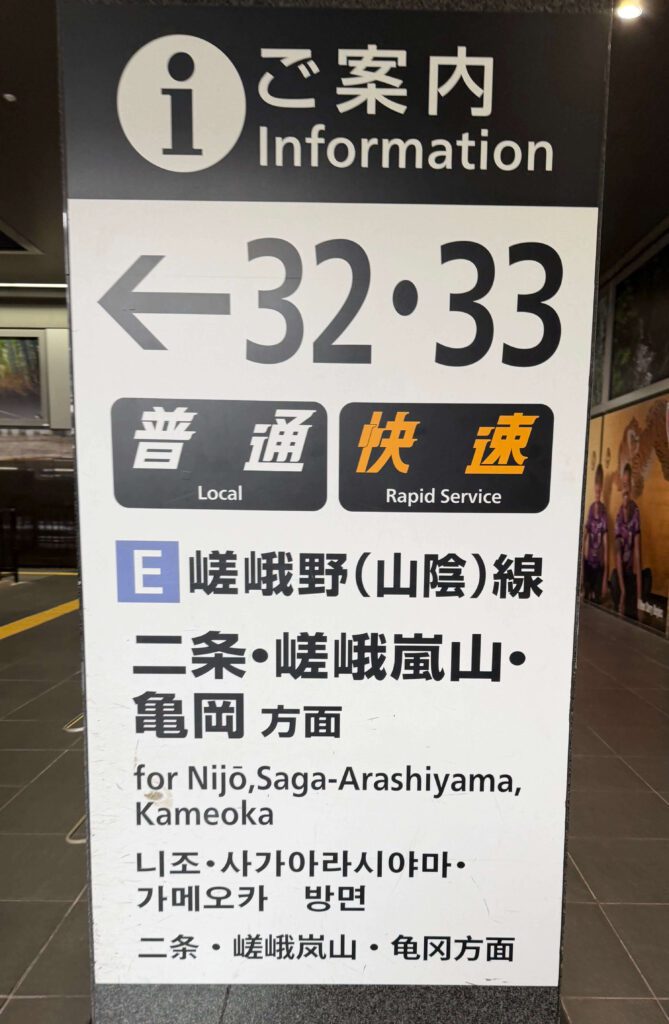
From the platform, it’s a quick and comfortable ride, and once you arrive at Saga-Arashiyama Station, it’s about a 10–15 minute walk to the heart of Arashiyama and the famous bamboo grove.
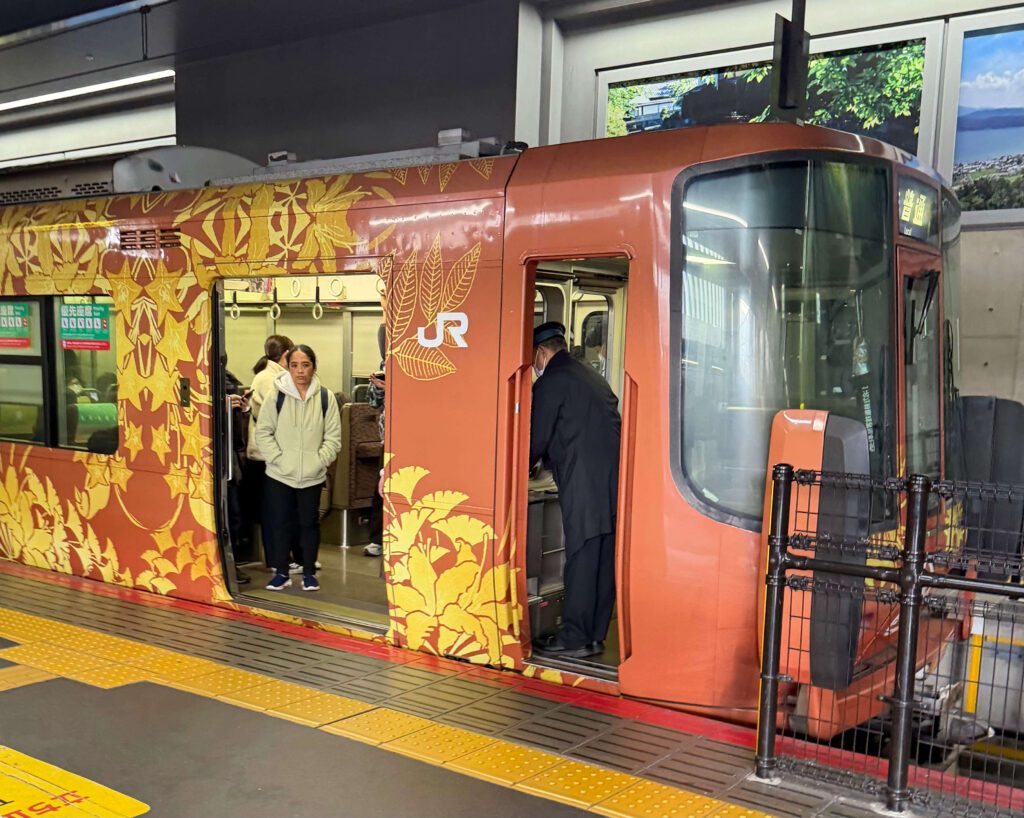
By Randen Tram · For a more scenic route, the Randen tram, operated by Keifuku Electric Railroad, runs from Sai Station or Shijo-Omiya Station to Arashiyama Station. The ride takes about 20, making it a leisurely alternative for those who want to enjoy Kyoto’s streets along the way.
By Bus · Several city buses connect Kyoto Station and Shijo-Kawaramachi to Arashiyama. Travel times are typically 30–50 minutes, depending on traffic. While slightly slower than the train, buses provide a direct route and a chance to see local neighborhoods en route.
Must See Landmarks
Arashiyama Bamboo Grove
No visit to Arashiyama is complete without a walk through the Bamboo Grove, one of Kyoto’s most iconic sights. Towering stalks of bamboo line the path, creating a quiet, almost surreal atmosphere that feels completely removed from the city.
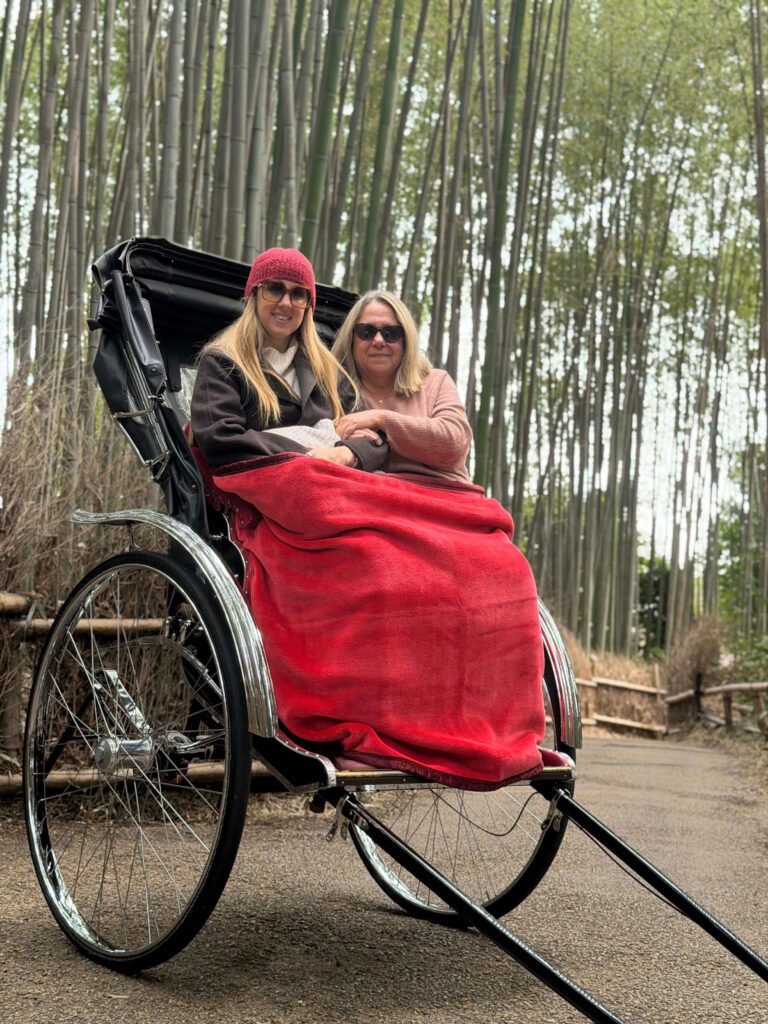
The grove is free to enter and best visited early in the morning or later in the afternoon, when crowds are lighter and the light filtering through the bamboo feels a little softer. It can get busy quickly, but even a short walk here is worth it.
We experienced the Arashiyama Bamboo Grove by rickshaw. Book here: Kyoto Arashiyama Rickshaw Tour.
Tenryū-ji Temple
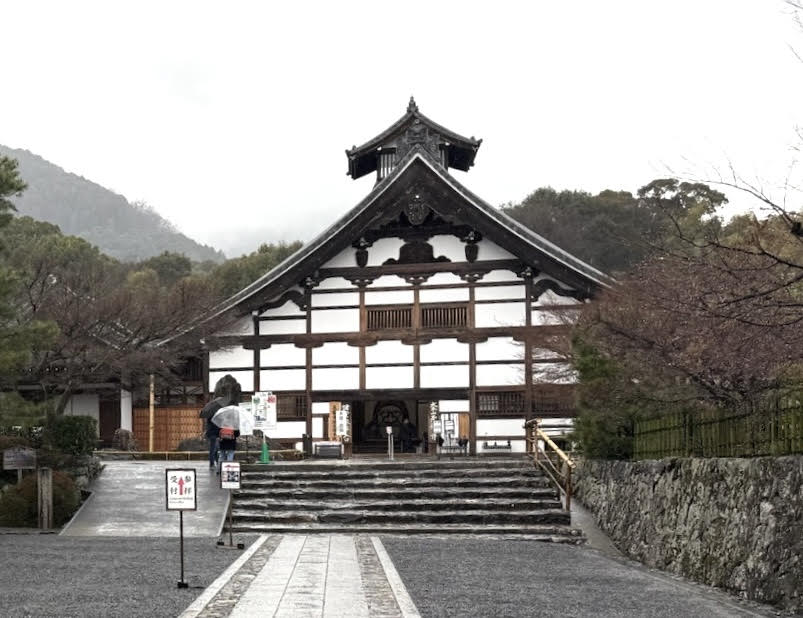
Tenryū-ji Temple is a UNESCO World Heritage Site and one of the most important Zen temples in Kyoto. Founded in 1339, it was built to honor Emperor Go-Daigo and has long been a major spiritual landmark in Arashiyama.
The highlight is the Sogenchi Garden, a traditional strolling garden designed to blend seamlessly with the surrounding mountains. It features ponds, stone arrangements, and seasonal scenery that shifts throughout the year, including nearby bamboo and autumn colors.
Entry to the garden is about ¥500, with a separate ¥300 fee for the main temple buildings.
Togetsukyō Bridge
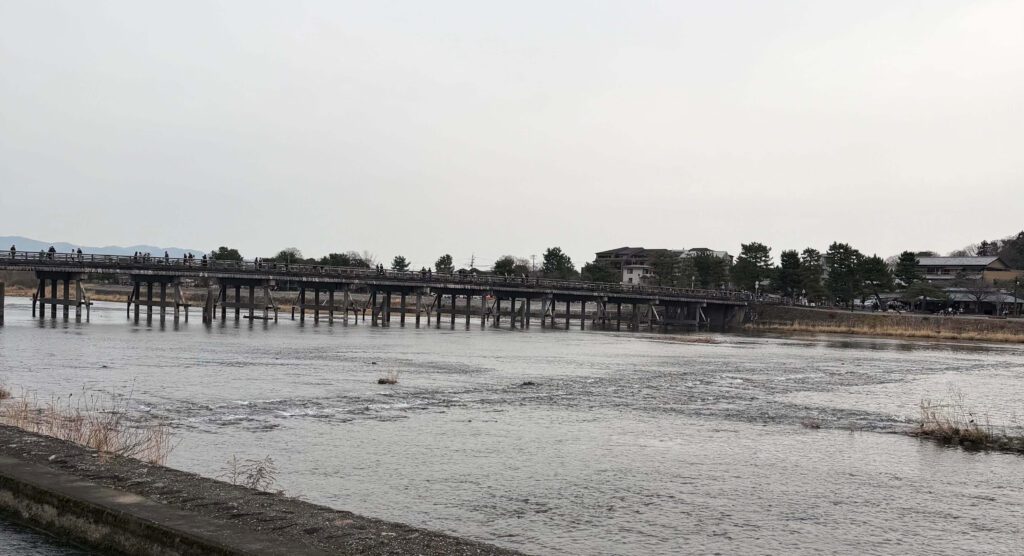
Togetsukyō Bridge, meaning, Moon Crossing Bridge, is one of Arashiyama’s most recognizable landmarks. Spanning the Katsura River for about 155 meters, it offers open views of the river, surrounding hills, and changing seasonal scenery. Originally built during the Heian period, it has been rebuilt over time but remains a symbol of the area.
The bridge is especially known for its seasonal views. Cherry blossoms frame the river in spring, while autumn brings strong red and gold foliage across the hillsides. It’s a simple but memorable place to pause, take photos, or watch boats moving along the river below.
It’s free to access and sits right at the heart of Arashiyama, making it an easy stop as you move between nearby sights.
Cultural Stops & Historic Streets
Chiri-Men Craft Museum
The Chiri-men Craft Museum is a free, easy stop that highlights chirimen, a traditional Japanese crepe silk used in kimono and decorative crafts.
Inside, you’ll find colorful displays of fabric dolls, ornaments, and small handcrafted items made from this textured silk. It’s quick to walk through, but interesting if you’re already exploring the nearby shopping streets.
Gioji Temple
Gioji Temple is a quiet, tucked-away spot that feels completely removed from the busier areas of Arashiyama. This small Buddhist temple dates back to the Heian period and is known for its peaceful setting and natural beauty.
It’s best known for its moss garden, where layers of soft green moss cover the ground in a range of shades. The scenery shifts with the seasons—from cherry blossoms in spring to deep greens in summer and colorful leaves in the fall—but it’s beautiful year-round.
Entry is approximately ¥300, making it an easy and worthwhile detour if you’re looking for a quieter, more relaxed stop. It’s especially popular with photographers and anyone wanting a slower, more peaceful break from the main crowds.
Kimono Forest
The Kimono Forest is a striking art installation located along the walkway at Randen Arashiyama Station. Completed in 2013, it features over 600 cylindrical pillars wrapped in colorful kimono fabrics, creating a long, patterned corridor that blends tradition with modern design.
During the day, you can see the details and textures of each fabric up close. At night, the installation is softly lit, turning the walkway into a glowing tunnel of color. The lights are on until around 9:00 PM, so it’s worth visiting before then if you want to see both versions.
It’s free to visit and only takes a few minutes to walk through, making it an easy stop while exploring the Arashiyama station area.
Nonomiya Jinja
Tucked beside the bamboo grove, Nonomiya Jinja is a small Shinto shrine with a long history dating back to the Heian period. It was once associated with imperial princesses preparing for court life, giving it a quiet connection to Kyoto’s past.
The shrine is known for its simple beauty — moss-covered paths, bright red torii gates, and a calm atmosphere that feels just steps away from the busier bamboo forest.
It’s also considered a place for blessings in love and marriage, which makes it a popular stop for couples and visitors passing through the area.
Though small, it’s an easy and peaceful stop to include while exploring Arashiyama, especially since it sits right along the walking route through the bamboo grove area.
Ōkōchi Sansō Villa
Ōkōchi Sansō Villa is the former residence of actor Denjirō Ōkōchi, set high above Arashiyama with beautifully maintained gardens and panoramic views over Kyoto and the surrounding mountains.
The walking paths wind through carefully designed landscapes, teahouses, and quiet viewpoints that feel far removed from the crowds below. It’s a peaceful space built for slow exploration, with each turn revealing a different perspective of the gardens and scenery.
Admission includes access to a traditional tea house where matcha and a seasonal sweet are served, offering a calm pause before continuing your visit.
Saga Toriimoto Preserved Street
Saga Toriimoto Preserved Street is a quiet, historic lane in Arashiyama that preserves the feel of Kyoto’s old merchant neighborhoods. Lined with traditional wooden houses, small shops, and inns, it offers a glimpse of what the area once looked like in earlier periods.
It’s an easy place for a slow walk, with cobblestone paths, simple architecture, and seasonal greenery along the way. You’ll also find small cafés and craft shops that make it worth browsing if you have extra time.
Compared to the busier parts of Arashiyama, this street feels more relaxed and residential, offering a quieter break while still staying close to the main sights.
Unique Experiences
Hozugawa River Boat Ride
For a unique perspective of Arashiyama, the Hozugawa River Boat Ride is a standout experience. This scenic trip follows the Hozugawa River through forested hills, rocky gorges, and quiet stretches of countryside, offering a peaceful contrast to the busier bamboo groves and temple areas.
The route was historically used to transport timber from the mountains to Kyoto, and today it’s a relaxed boat journey guided by experienced boatmen who share stories along the way.
The ride takes around two hours one way, with both one-way and return options depending on your plans. Along the route, you’ll pass small waterfalls, steep cliffs, and quiet riverside scenery, making it especially good for photography and slow travel.
Book here: Hozugawa River Boat Ride Experience in Kyoto.
Iwatayama Monkey Park
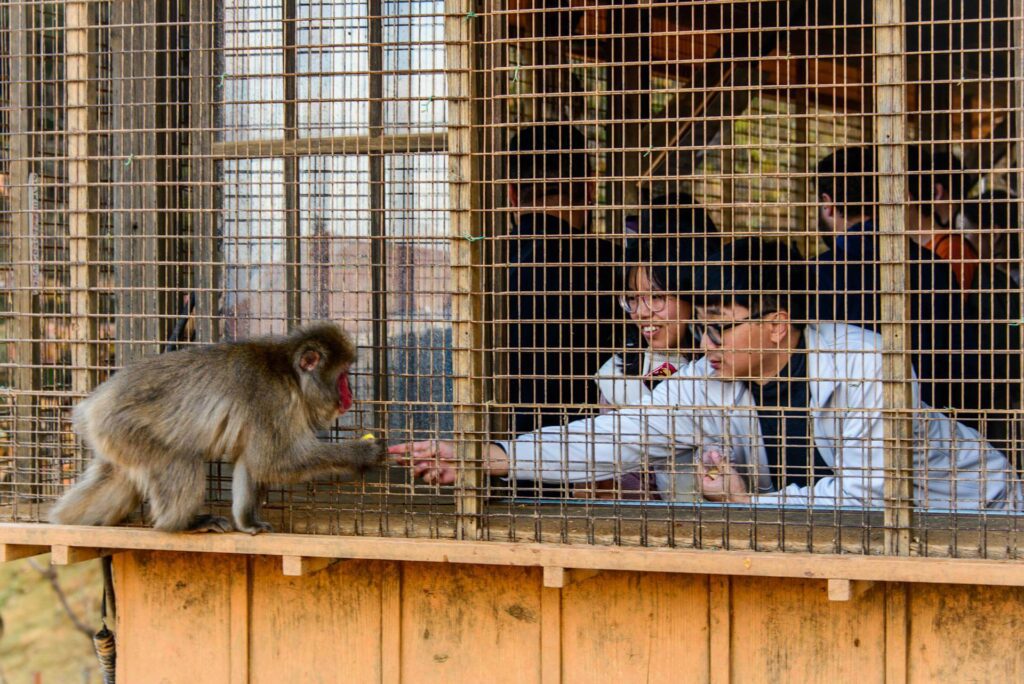
Perched on the slopes of Mt. Arashiyama, Iwatayama Monkey Park is home to over 120 wild Japanese macaques living freely in their natural habitat. Unlike a traditional zoo, the monkeys roam the area, which makes every visit a bit unpredictable and fun to watch.
Reaching the park involves a 15–20 minute uphill walk, but the reward is both close-up encounters with the monkeys and wide views over Kyoto.
At the top, visitors can also feed the monkeys using food provided by the park. This is done from inside small protected enclosures, which keep both visitors and animals safe. Staff are on hand and rules are clearly posted to ensure a safe and respectful experience.
Book here: Half-day private tour of Arashiyama Monkey Park and Arashiyama’s famous spots.
Kimono Rental
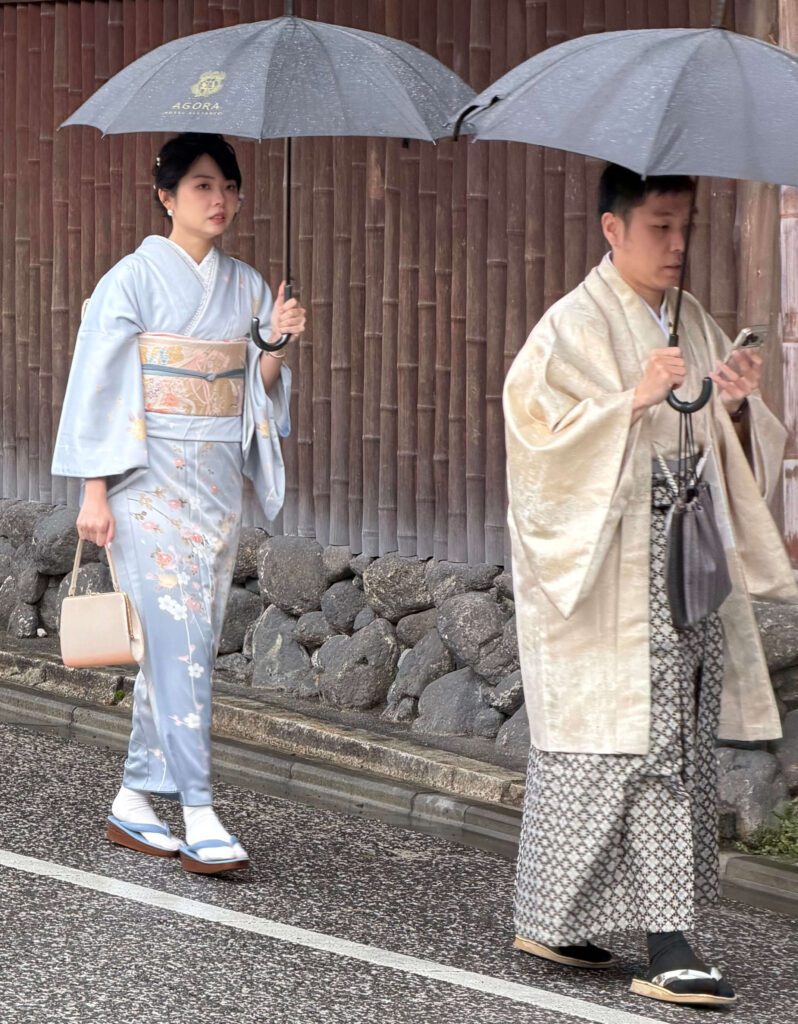
One of the most memorable ways to experience Arashiyama is by renting a traditional kimono or yukata and exploring the district in classic Japanese style. It makes for great photos among the bamboo groves and historic streets while offering a simple way to experience Kyoto’s cultural heritage. Several rental shops near Arashiyama Station and the main sightseeing streets offer a range of styles.
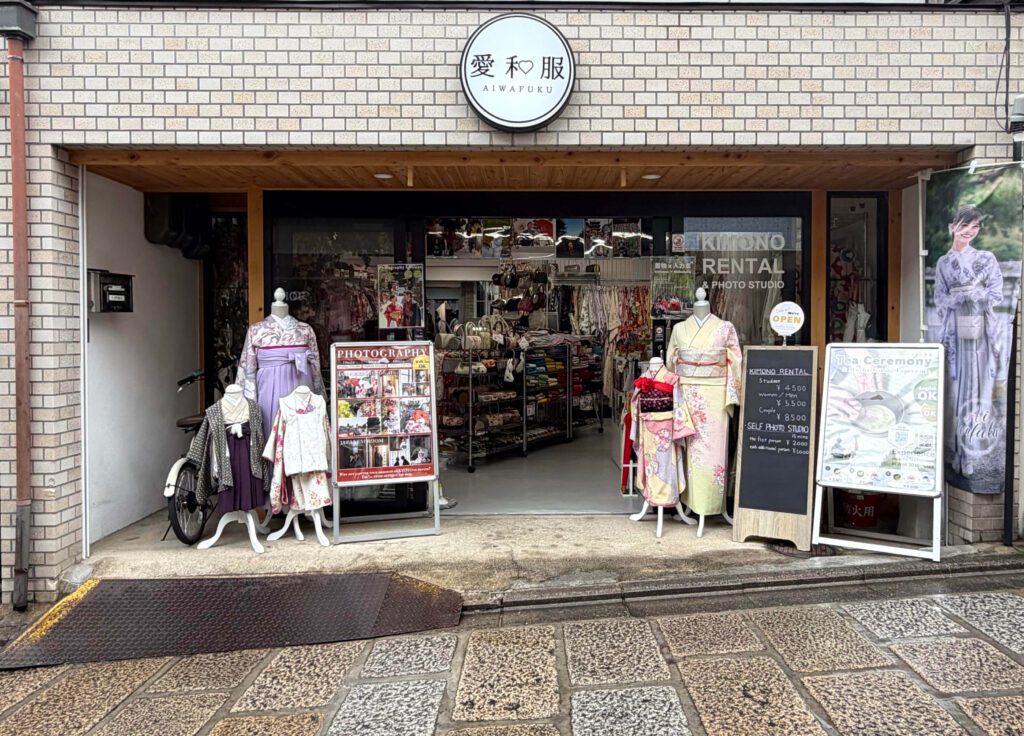
Plan extra time for dressing and styling so you’re not rushed before heading out to explore. Book here: Kyoto Arashiyama | Popular Kimono Rental Experience.
Sagano Scenic Railway
The Sagano Scenic Railway, also known as the Sagano Romantic Train, is a scenic sightseeing route that follows the Hozugawa River through forested valleys and rolling hills on the edge of Arashiyama.
The retro-style carriages, especially the open-air cars, offer wide views of the surrounding landscape and a relaxed, open-air ride through the countryside. The journey takes about 25 minutes, making it an easy addition to a half-day itinerary.
The route runs year-round and is especially popular in autumn for its foliage and in spring when the surrounding hills begin to bloom. It’s a simple, scenic way to experience the natural side of the Arashiyama area from a different perspective. Book here: Sagano Romantic Train Ticket.
Relaxation & Onsen Breaks
Arashiyu Arashiyamahonten Foot Spa & Massage
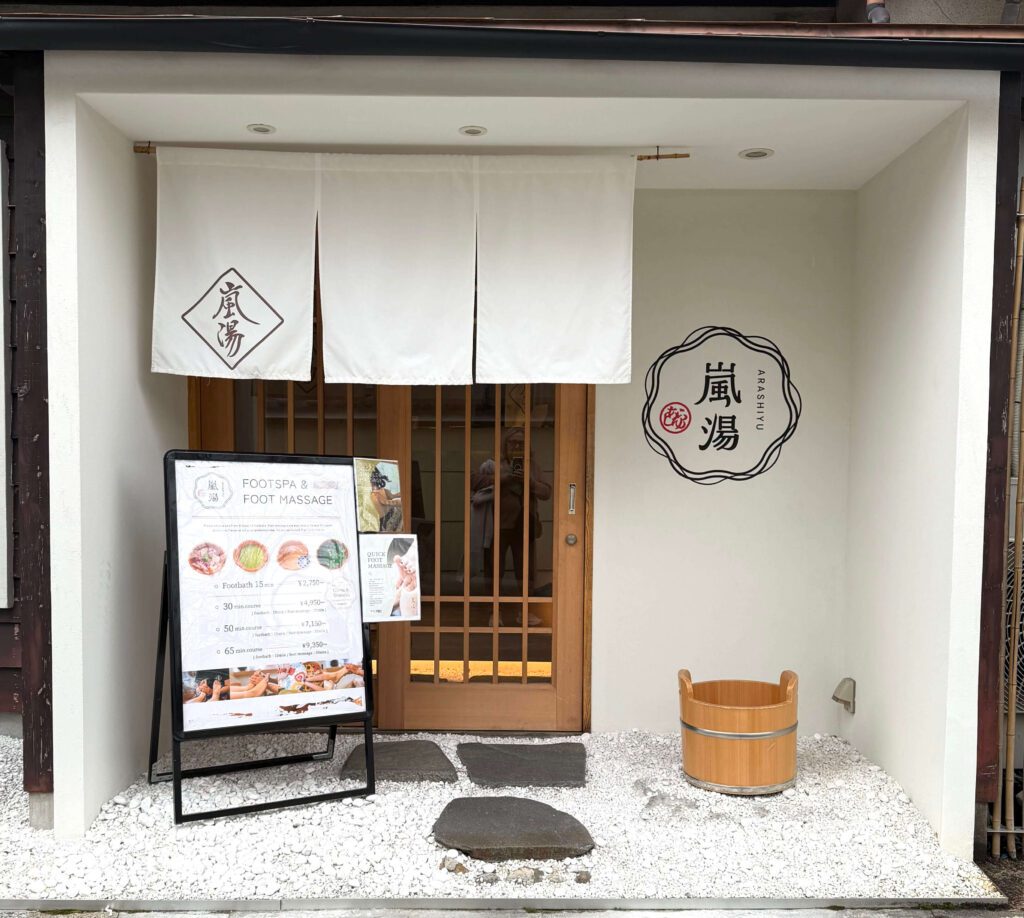
Arashiyu Arashiyama Foot Spa & Massage is a relaxing stop just steps from Saga-Arashiyama Station, offering a calming break after a full day of sightseeing.
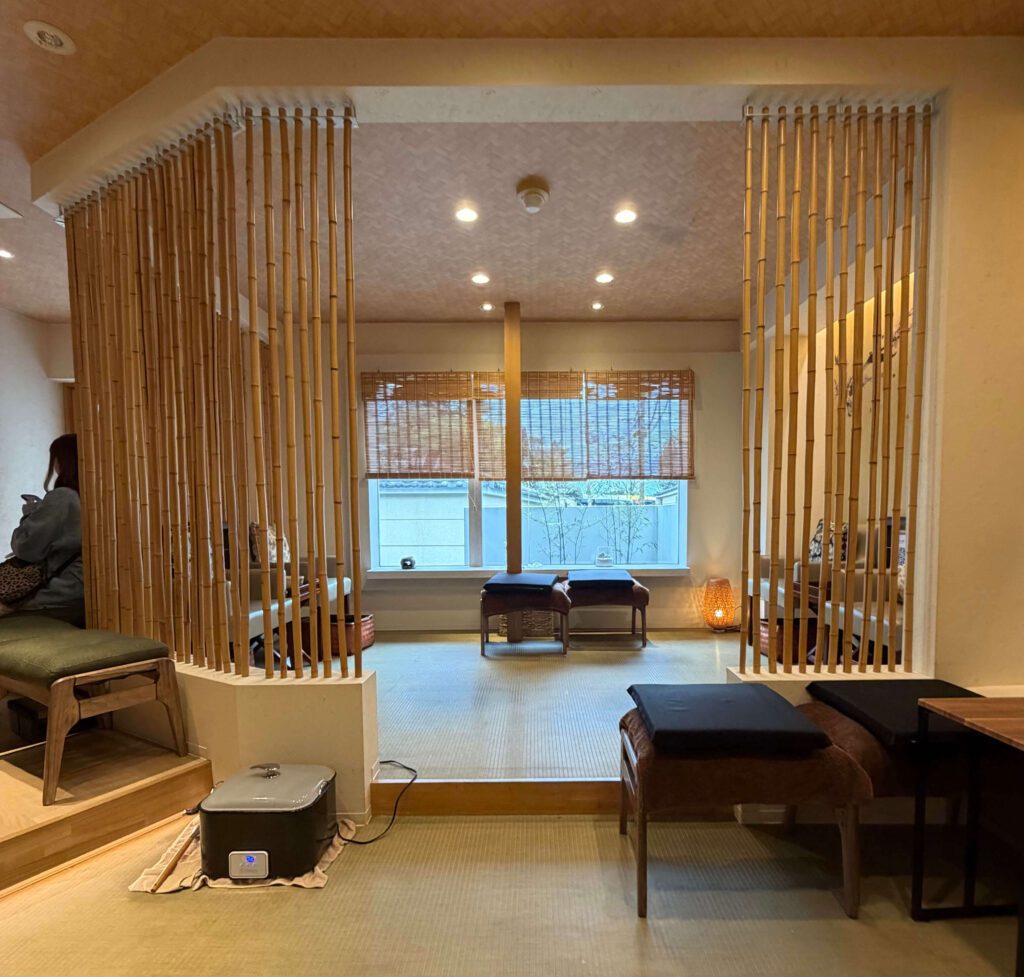
Guests begin by choosing a themed foot bath before settling into a comfortable soak, followed by optional massage treatments. It’s a simple but memorable way to slow down and rest tired feet in the middle of Arashiyama.
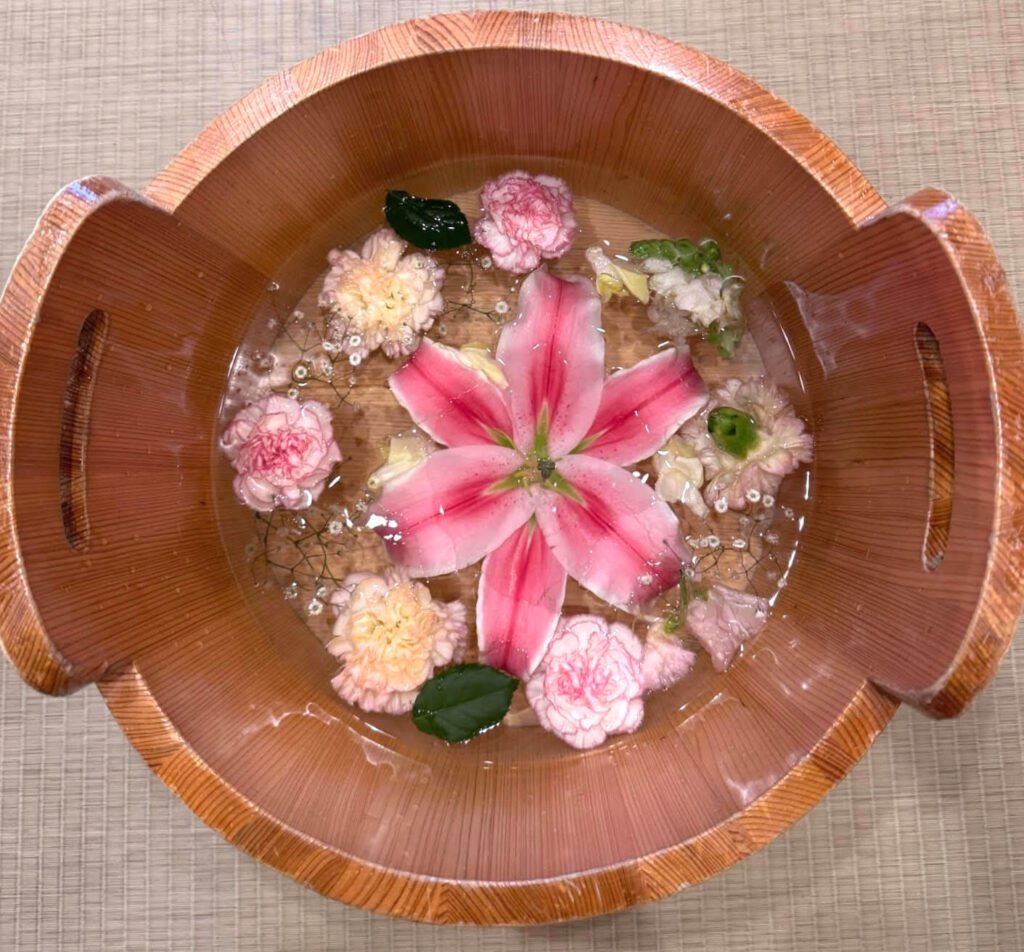

The experience feels peaceful from start to finish, with a quiet, welcoming atmosphere designed for unwinding between temples, gardens, and walking routes. Book here: Arashiyu Foot Bath and Blissful Foot Massage in Kyoto.
Footbath at Arashiyama Station
For a simpler, budget-friendly option, try the station footbath—perfect for warming up and soothing tired feet after sightseeing. This casual onsen-style soak offers a relaxing break with views of the Kimono Forest.
Hot Spring · Onsen
After a day of walking temples, groves, and scenic streets, nothing feels better than soaking in a hot spring. Arashiyama has options for every type of visitor.
Fu Fu No Yu, just a short stroll from Arashiyama Station, offers a full onsen experience with indoor and outdoor baths fed by natural hot spring water.
If you’re after a more casual soak, the Footbath (Onsen) at Arashiyama Station lets you relax tired legs in hot spring water—a perfect quick break before heading out again.
For a larger spa experience, Tenzan no Yu, a short taxi or bus ride from Arashiyama, features multiple baths, saunas, and relaxation areas.
Shops
From traditional crafts to character cafés and specialty treats, Arashiyama’s shopping scene is as charming as its temples and gardens. Stroll along historic streets, browse local boutiques, and discover unique souvenirs, handmade goods, and delicious snacks that you won’t find anywhere else. Whether you’re hunting for a keepsake or just enjoying the atmosphere, shopping here is a delightful part of the Arashiyama experience.
If you’re exploring more of Kyoto’s design-forward spaces, Le Labo Kyoto is another beautiful stop worth adding to your list. It reflects the same blend of modern design and tradition that you’ll find throughout the city. More in my post Explore Le Labo Kyoto: A Unique Blend of Design and Fragrance.
Adashino Mayumura
Located along Saga Toriimoto Preserved Street, Adashino Mayumura is a small specialty shop set inside a traditional Kyoto-style building. It offers a curated selection of handcrafted souvenirs, local goods, and traditional Japanese items.
Compared to the busier shops near the bamboo grove, this one feels much quieter and more relaxed, making it an easy stop while walking through the preserved street area.
It’s a good place to browse for simple, well-made souvenirs if you want something a little more traditional than typical tourist shops.
Arashiyama Station Shopping Area
The Arashiyama Station Shopping Area is a convenient place to explore right as you arrive in the neighborhood. Located around Arashiyama Station, it’s filled with cafés, sweet shops, souvenir stores, and small boutiques.
You’ll find everything from matcha treats and traditional Japanese sweets to local crafts and travel-friendly souvenirs.
Arashiyama Rilakkuma Tea House
Arashiyama Rilakkuma Tea House is a themed café and shop near the Arashiyama Station area, dedicated to Rilakkuma, one of Japan’s most popular characters known for his relaxed, cozy style.
Inside, you’ll find character-themed sweets like pancakes, parfaits, and soft-serve ice cream, along with drinks served in Rilakkuma cups. The attached shop also carries exclusive merchandise, including plush toys and stationery.
It’s a fun stop if you’re into character cafés or want a quick, playful break while exploring Arashiyama.
Eye Candy Candy
Eye Candy Candy is a colorful, old-fashioned candy shop near Togetsukyō Bridge, known for its nostalgic feel and wide selection of hard candies.
The shelves are filled with bright, flavored sweets in a variety of colors and tastes, making it a quick and fun stop while exploring the area between the bridge and the bamboo grove.
Ishikawa Bamboo
Ishikawa Bamboo shop specializes in handcrafted bamboo goods, from everyday items like baskets, trays, and chopstick holders to more decorative and traditional pieces.
Each item reflects long-standing Japanese bamboo-working techniques, combining simple design with natural materials.
Located just steps from the main Arashiyama streets and temples, it offers a quieter, more artisanal shopping experience compared to the busier souvenir shops.
Itosune
Itosune is a shop specializing in Japanese textiles and handcrafted goods, offering items such as scarves, tenugui (Japanese hand towels), bags, and fabric accessories.
The focus is on quality materials and thoughtful design, blending traditional craftsmanship with more contemporary styles. Many pieces use fabrics sourced from established mills, with a mix of seasonal and timeless patterns.
It’s a worthwhile stop if you’re looking for something practical but still distinctly Japanese, with an emphasis on texture, color, and simple design.
Malebranche
Malebranche is a well-known Kyoto confectionery brand, best known for its Cha no Ka cookies—thin langue de chat biscuits filled with white chocolate and Uji matcha.
Inside, you’ll find neatly packaged treats that work well as gifts or souvenirs, including matcha cookies and seasonal variations. The products reflect Kyoto’s tea culture and attention to detail in presentation.
Mamemasa
Mamemasa is a small traditional shop in Arashiyama specializing in mamegashi—Japanese bean-based sweets. The shop uses simple ingredients and traditional methods to create treats made from roasted soybeans, sweet beans, and seasonal flavors.
Inside, you’ll find neatly packaged confections displayed in a simple, orderly space that reflects Kyoto’s understated approach to craftsmanship.
The sweets are light and not overly sweet, making them a good option if you want something different from the more common matcha-based treats in the area.
Oimatsu
Oimatsu is a long-established wagashi shop, founded in 1908, known for its traditional Japanese sweets and seasonal confections.
It’s a good stop for classic Kyoto treats like warabimochi and delicate jellies, available to take away or enjoy in the adjoining tea room.
Restaurants & Cafes
So once you’ve explored Arashiyama’s main sights, it’s time to enjoy the food scene.
One thing to note is that many restaurants in the area close early and are often not open for dinner. It’s best to plan your main meal here during lunch, with only a few places offering early dinner service before closing.
% Arabica
% Arabica Arashiyama is one of the most recognizable coffee stops in Kyoto, known for its minimalist design, strong espresso, and riverside setting just steps from Togetsukyō Bridge.
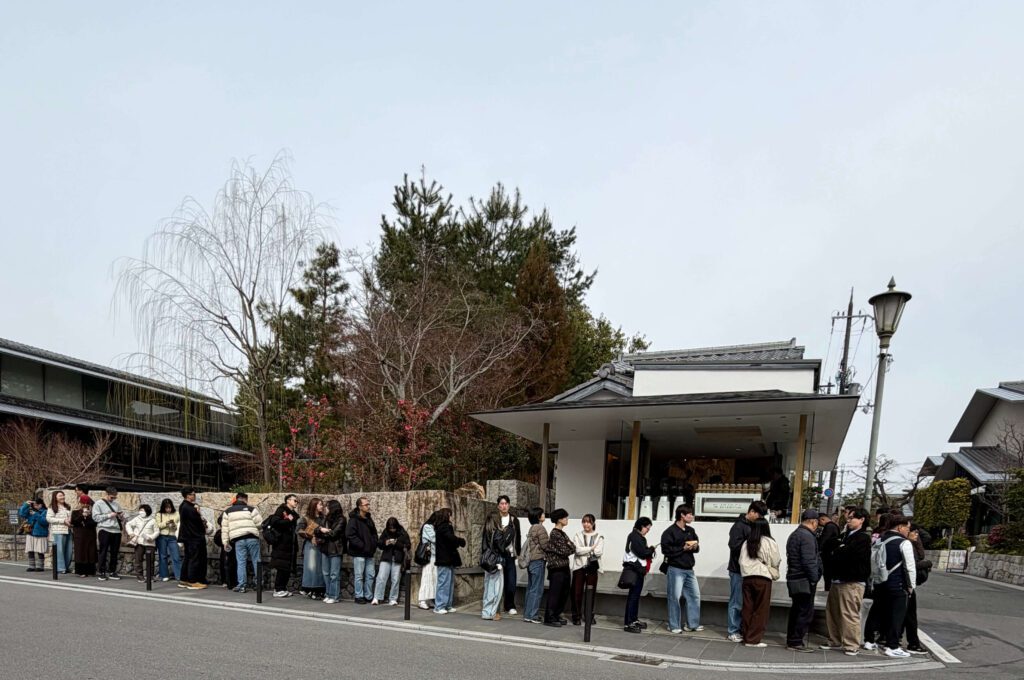
It’s a popular spot, and a line is common, but it moves quickly and feels like part of the experience. After ordering, most people take their coffee to go and head straight for the river.

That’s where it really stands out, with coffee in hand, with views of the bridge and water just steps away. It’s a simple stop, but one that ends up being part of the overall Arashiyama experience.
Bread, Espresso & Arashiyama Garden
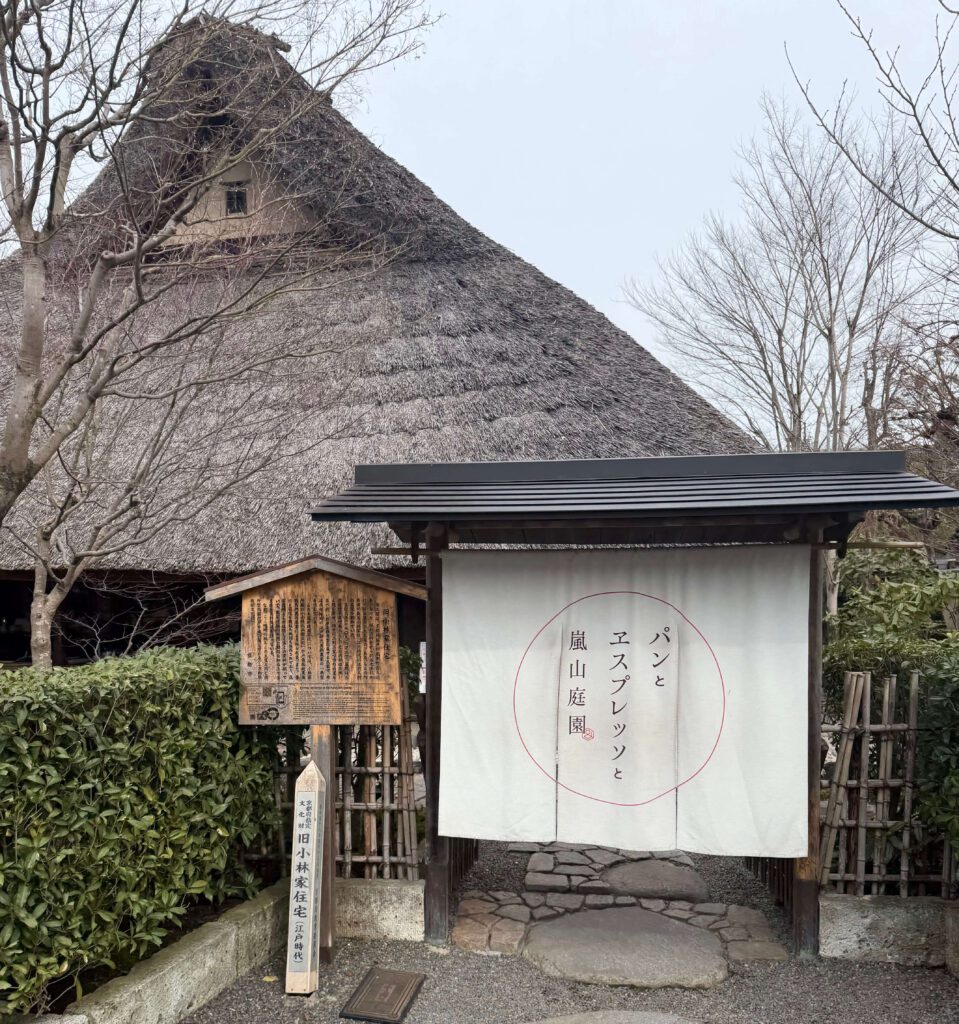
Bread, Espresso & Arashiyama Garden is a stylish bakery café tucked into a beautifully designed garden space near the heart of Arashiyama, offering a calm escape from the busier sightseeing streets.
In the photo above, the white noren at Bread, Espresso & Arashiyama Garden offers a simple, modern take on a tradition that has been part of everyday life in Japan for centuries. I go deeper into the history and meaning of these traditional curtains in The Art and History Behind Traditional Japanese Noren Curtains.
Known for its freshly baked breads, light café dishes, and expertly made espresso drinks, it’s an easy place to pause for breakfast, a coffee break, or a relaxed afternoon stop. The menu is simple but high quality, focusing on seasonal ingredients and baked goods that pair perfectly with coffee.
What makes it especially memorable is the setting the wooden interiors opening into a peaceful garden where guests can sit, unwind, and enjoy the slower rhythm of Arashiyama. It’s the kind of place where time feels like it stretches just a little longer.
eXcafe
eXcafe is a cozy café that blends modern and traditional design, best known for its interactive sweets especially the grill-your-own dango served warm at your table. The menu also includes matcha desserts and coffee drinks.
It’s an easy stop for a relaxed break while exploring Arashiyama, offering a laid-back atmosphere that still feels distinctly Kyoto.
Gelato Shinpachi Chaya
Gelato Shinpachi Chaya is an easy, crowd-pleasing stop just a short walk from Togetsukyō Bridge. It’s a great place to cool down between sightseeing stops, serving Italian-style gelato with both classic flavors and Kyoto-inspired options like matcha, sakura, and tofu.
It’s a simple stop to grab a cone and stroll along the river, making it feel like a natural part of the Arashiyama experience.
Inity
INITY is a laid-back café and casual eatery just steps from Arashiyama Station. It offers a small counter and terrace space with a relaxed atmosphere, serving a menu inspired by Latin American and fusion flavors.
Dishes include items like jerk chicken, focaccia sandwiches, and other light lunch options, making it a simple spot for a casual meal between sightseeing stops.
Kyoto Kitcho
Kyoto Kitcho Arashiyama is a long-established fine dining restaurant, founded in 1930, known for its kaiseki cuisine and peaceful, traditional setting.
This is a place for special occasions rather than a casual meal, offering multi-course seasonal menus that highlight precise presentation and seasonal ingredients. Reservations are required for both lunch and dinner service are available.
It remains one of Arashiyama’s most well-known dining experiences for those looking for a high-end, traditional Kyoto meal.
Miffy Sakura Bakery
Miffy Sakura Bakery is a themed bakery inspired by the Dutch character Miffy, blended with Kyoto’s seasonal aesthetic.
It’s known for its photogenic breads and pastries shaped like Miffy, often featuring seasonal touches like sakura in spring alongside classic options year-round. This is a grab-and-go stop rather than a sit-down café, making it an easy addition while exploring Arashiyama.
Musubi Cafe
Musubi Café is a relaxed, plant-forward café offering vegetarian, vegan, and gluten-free friendly set lunches in a calm, modern setting near the heart of Arashiyama.
The menu focuses on fresh, seasonal ingredients with generous portions, featuring set meals such as curries, balanced vegetable plates, and homemade desserts. It’s known for being both satisfying and approachable, making it a great option for a nourishing meal while exploring the area.
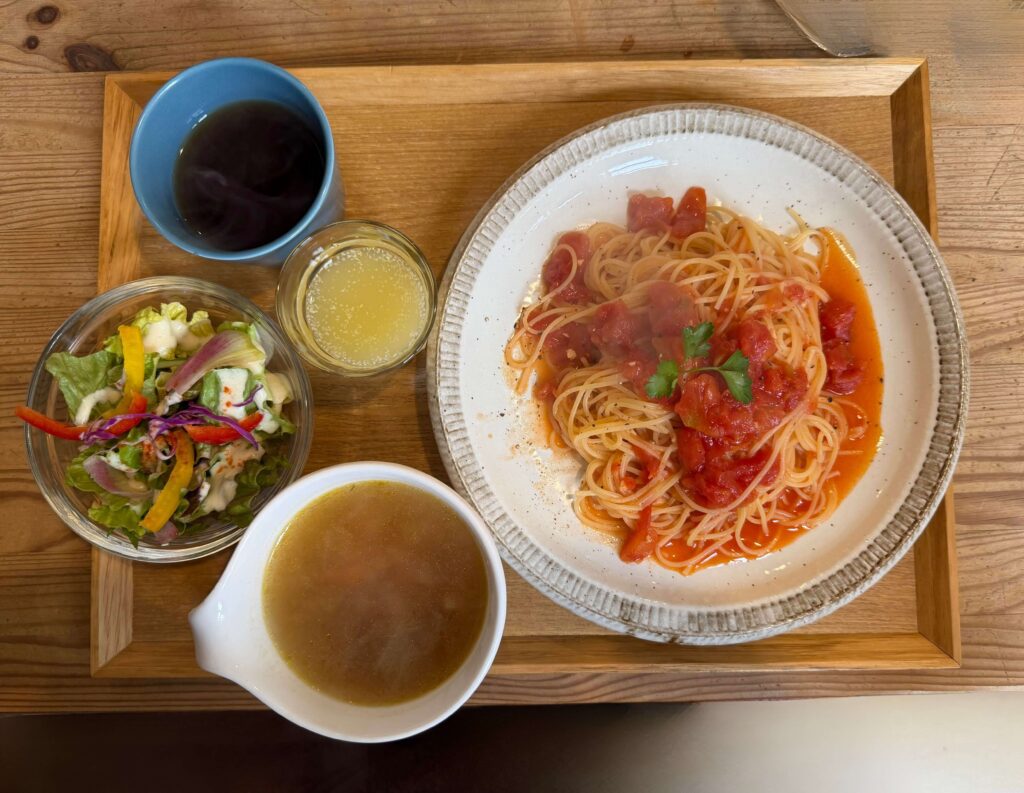
We ordered a lunch set that included a spaghetti dish, soup, and salad, served with both tea and juice. Everything felt fresh and thoughtfully prepared, with portions that were filling without being heavy.
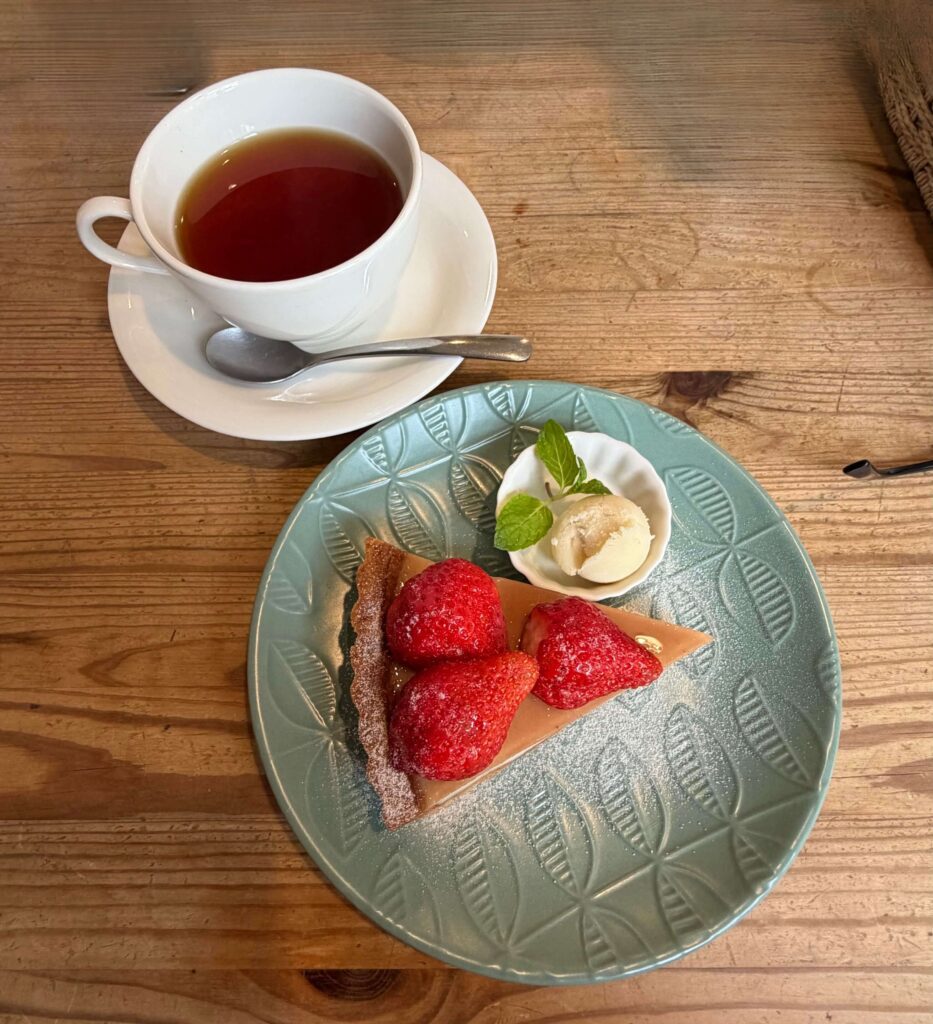
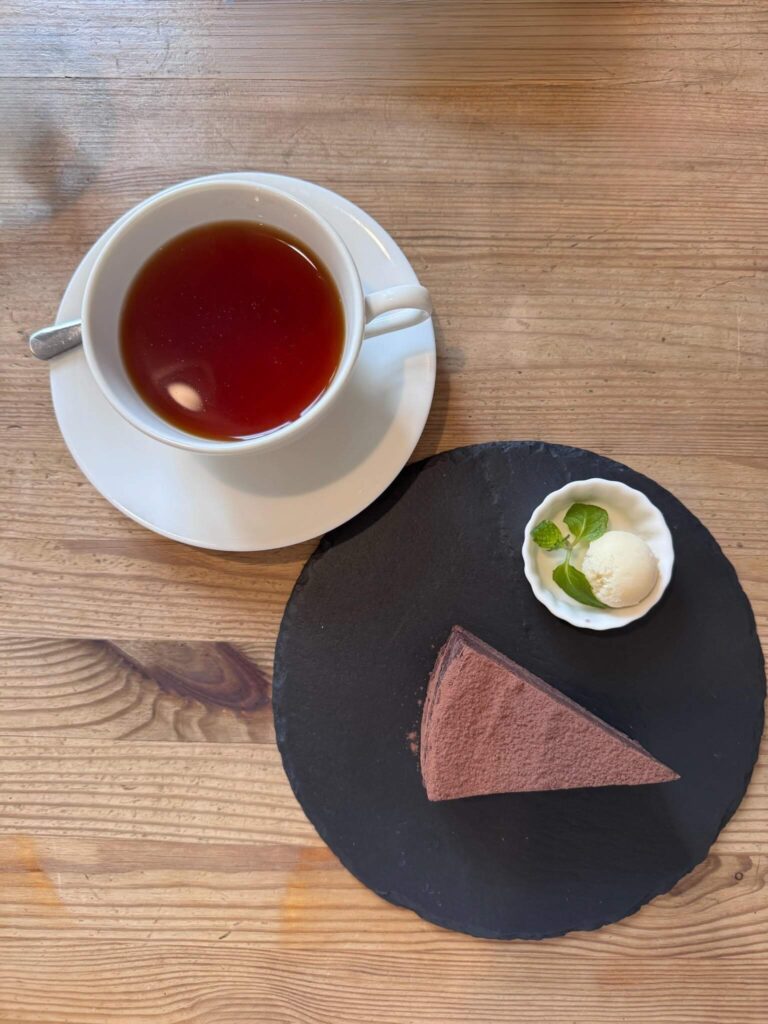
For dessert, we tried the strawberry cheesecake and chocolate cake.
With its easygoing atmosphere and thoughtful menu, Musubi Café is a comfortable stop for anyone looking for wholesome food without compromising on flavor or value.
Pizzeria LUGARA
Pizzeria LUGARA is an Italian-owned restaurant offering handcrafted, wood-fired Neapolitan-style pizzas with a relaxed, lively atmosphere.
The menu includes everything from classic Margherita to seasonal and creative toppings that incorporate local ingredients. Pizzas come out of a hot stone oven with a crisp, charred crust and are ideal for sharing after a day of exploring Arashiyama.
Alongside pizza, you’ll also find fresh salads, small plates, and a selection of drinks that pair well with the menu.
Saga Tofu Ine
Saga Tofu Ine offers authentic Kyoto home-style cuisine centered around fresh, handmade tofu and traditional soy-based dishes.
The menu highlights classic Kyoto comfort foods such as yudofu (simmered tofu in a light broth), aged tofu, tofu salads, and set meals paired with seasonal vegetables and rice. It’s a simple, thoughtful dining experience that reflects Kyoto’s deep connection to tofu culture.
Due to its popularity, it’s best to arrive early and expect a wait during peak hours.
Shigetsu
Shigetsu, located within the Tenryū-ji Temple grounds, offers traditional shojin ryori—Buddhist vegetarian cuisine practiced by monks for centuries.
This calm, meditative meal focuses on seasonal vegetables, tofu, and grains, prepared with subtle flavors that highlight the natural character of each ingredient. The presentation reflects the Zen philosophy of balance, harmony, and mindfulness, making it one of the most atmospheric dining experiences in Arashiyama.
Reservations are recommended, especially during peak travel seasons.
Steak Otsuka
Steak Otsuka offers an upscale dining experience centered around high-quality Japanese Wagyu beef.
Known for expertly grilled steaks and careful attention to ingredient quality, the menu features tender cuts served with seasonal vegetables, rice, and simple, well-balanced sides. It’s a satisfying option for those looking for something heartier than traditional Kyoto cuisine.
The atmosphere is relaxed yet refined, making it suitable for both lunch and an elevated dinner experience after exploring Arashiyama.
Due to its popularity, it’s best to arrive early, as it can fill quickly.
Takara Sushi
Takara Sushi is a small, traditional sushi restaurant offering fresh flavors and classic Edo-style preparation.
Known for its high-quality seafood and attentive service, the menu features carefully crafted nigiri and sashimi made with seasonal fish sourced from trusted markets. Sets typically include a selection of fresh seafood such as tuna, salmon, squid, and seasonal specialties, all served with perfectly seasoned rice.
It’s a simple, satisfying option for an authentic sushi meal while exploring Arashiyama.
Yoshimura
Yoshimura Arashiyama is a long-running riverside restaurant known for its handmade soba noodles and scenic setting near Togetsukyō Bridge.
Guests can enjoy soba served either cold with dipping sauce or in a warm broth, along with simple, well-balanced set meals that highlight traditional Kyoto-style flavors.
With its relaxed atmosphere and river views, it’s a classic Arashiyama stop for a simple but memorable meal.
Yudofu Sagano
Yudofu Sagano offers a traditional Kyoto dining experience centered around yudofu—simple, comforting simmered tofu that has long been a staple of Buddhist cuisine.
Served gently in a light broth, the meal is often accompanied by seasonal vegetables, rice, and dipping sauces that highlight the subtle flavor and texture of the tofu.
Set near Tenryū-ji Temple, it provides a calm and atmospheric setting that fits naturally with the surrounding Arashiyama landscape.
Hidden Details of Arashiyama
Beyond the main sights, part of Arashiyama’s charm is found in its small, easily missed details. As you move between temples, rivers, and cafés, there are quiet touches that make the area feel even more layered and intentional.
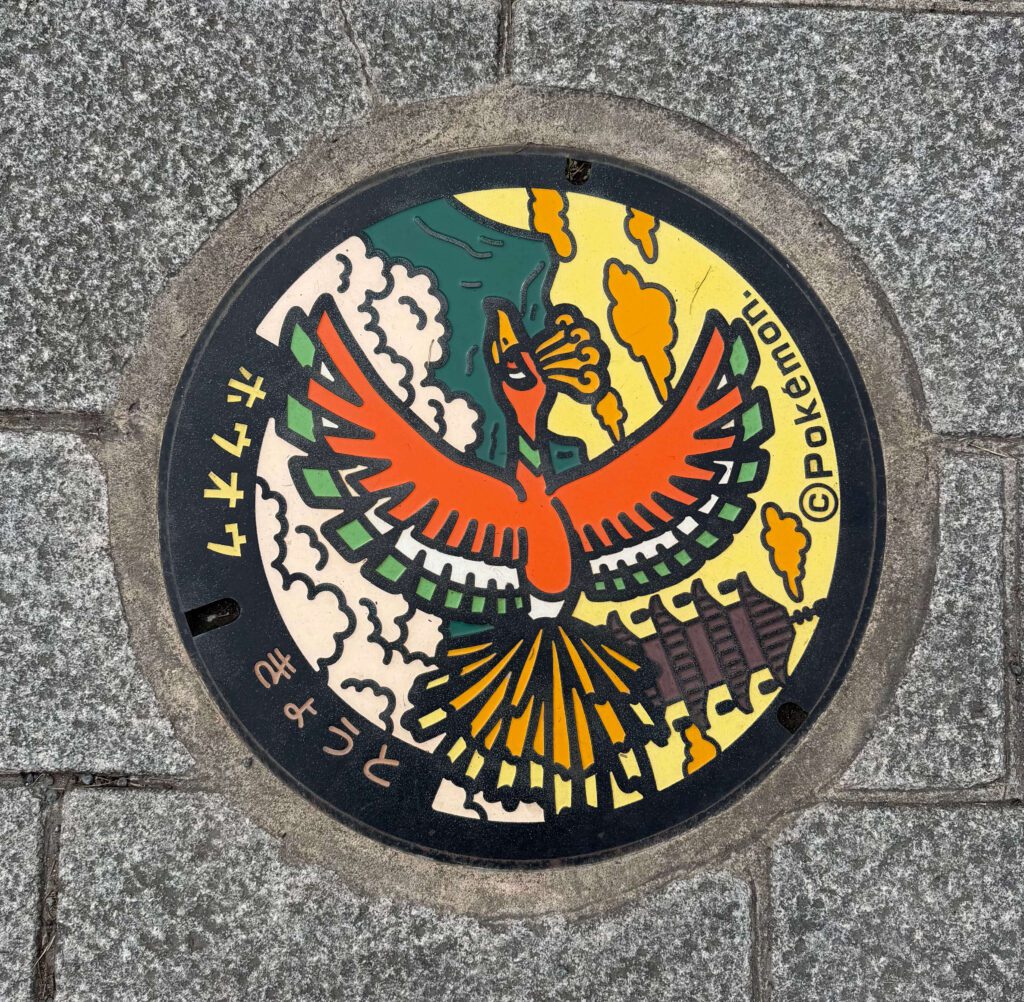
One of the most interesting is the Pokémon-themed manhole cover found in Arashiyama, turning something ordinary underfoot into a playful piece of public art. It features the legendary Pokémon Ho-Oh near the iconic Togetsukyo Bridge and is one of the more rewarding small finds for Pokémon fans visiting the area. Read more in my Ultimate Guide to Decorative Manhole Covers in Japan.
You’ll also notice subtle details in the streets themselves such as traditional shopfront signage, handwritten menus outside small restaurants, and wooden architectural accents that blend into the historic surroundings rather than standing out.
Even everyday crossings like bridges and pathways feel thoughtfully integrated into the landscape, often framing views of the river or mountains in a way that feels almost designed for slowing down and looking around.
These small moments don’t take extra time to find, but they add depth to the experience of simply walking through Arashiyama.
Japan Close
Arashiyama is more than just a day trip from Kyoto. It is a journey into the heart of traditional Japan, where nature and culture come together in quiet harmony.
Whether you’re wandering through the bamboo groves, watching monkeys on the mountainside, or taking in the sunset over Togetsukyō Bridge, every moment here invites you to slow down and simply take it in.
— izzy