If you’re a seafood lover visiting Anna Maria Island, stone crab is a must-try delicacy. Known for its sweet, tender meat and signature crunchy shell, stone crab is a seasonal treat that locals and tourists cherish.
In this guide, we’ll cover everything from the history of stone crab to where to dine or buy it to enjoy at home to tips on harvesting, tools, sauces, and more.
Contents
Classification & Biology
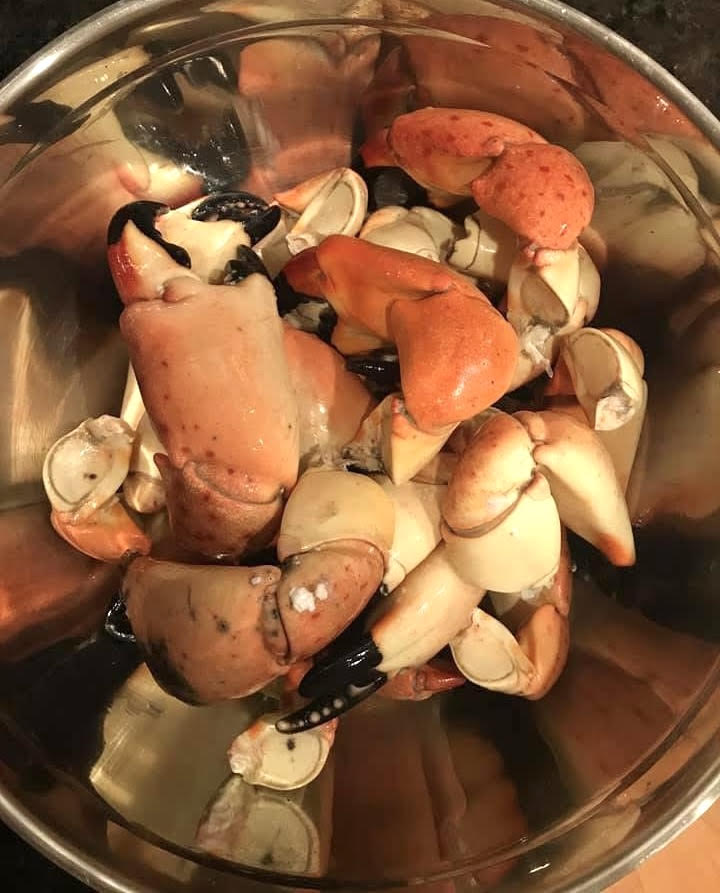
The stone crab, scientifically known as Menippe mercenaria, is a fascinating species native to the western Atlantic, primarily along the Gulf. Stone crabs are easily recognized by their robust, armored exoskeleton and two large, powerful claws. One claw is usually slightly larger than the other, known as the crusher claw, while the smaller is the cutter claw.
Adult stone crabs typically measure 4–5 inches across the carapace, though their claws can reach up to half a pound or more. The claws are incredibly strong, allowing the crab to crack open mollusks and fend off predators. Interestingly, stone crabs have the unique ability to regrow a lost claw, a trait that supports sustainable harvesting practices: fishermen can harvest one claw without killing the crab, and over 12–18 months, a fully functional claw regenerates.
Stone crabs live in burrows along sandy or muddy bottoms, often under rocks, oyster beds, or near mangroves, providing shelter and a strategic hunting ground for their prey, which includes mollusks, small fish, and other invertebrates. They can live up to 7–8 years, with growth rates influenced by water temperature, salinity, and food availability.
Stone crabs are a remarkable example of nature’s engineering: their claws are both tools and weapons, their burrowing behavior protects them from predators, and their ability to regenerate lost limbs makes them a sustainable culinary resource.
History & Facts About Stone Crab
Stone crab has been a cherished seafood delicacy along Florida’s Gulf Coast for over a century. Its history dates back to the early 1900s, when commercial harvesting of stone crabs began in the Tampa Bay area. The crab quickly became popular for its firm, sweet, and tender meat.
Over time, the stone crab has become a symbol of Florida coastal cuisine, featured on menus from casual beach shacks to high-end seafood restaurants.
Stone Crab Season
Stone crab season is a much-anticipated event along Florida’s Gulf Coast, running annually from October 15 through May 15. During this period, licensed fishermen are allowed to harvest stone crab claws, following strict regulations designed to protect the species and ensure sustainability. Outside of this window, harvesting is prohibited, allowing the crabs to grow, mate, and maintain healthy populations.
Only claws that meet specific size requirements may be collected, typically around 2.75 inches or longer, measured from the tip of the claw to the first joint. These rules are carefully monitored by the Florida Fish and Wildlife Conservation Commission, making stone crab one of the most sustainably managed seafood species in the state.
Stone crab season is a cultural and culinary tradition. Local restaurants, seafood markets, and coastal communities eagerly await the season’s opening. For visitors and residents alike, these months offer a rare opportunity to enjoy the sweet, tender meat of freshly harvested stone crab claws at their peak.
Fishing for Stone Crab
Fishing for stone crab is both an art and a science. Stone crabs are typically harvested using baited traps, also known as pots, which are designed to catch the crab without harming it. These traps are placed on the ocean floor in shallow coastal waters, often near oyster beds, seagrass, mangroves, or other natural habitats where stone crabs burrow.
Bait selection is a key factor in a successful catch. Fishermen commonly use fish heads, chicken necks, squid, or other meaty, aromatic items to entice the crabs into the trap. Once inside, the crab grabs the bait, becomes entangled in the trap, and waits to be harvested. Traps are typically checked every 24–48 hours to collect claws and reset the bait, ensuring a fresh, sustainable harvest.
A unique aspect of stone crab fishing is the phenomenon of “floaters”. Floaters are detached claws that may have naturally fallen off the crab or been lost during molting. While some floaters are collected, they are generally less desirable than freshly harvested claws because they can dry out or be damaged in the water.
Stone crabs are nocturnal by nature. They venture out at night to hunt and feed, which is why traps are most effective in the evening or overnight. Harvesters must also be mindful of female crabs carrying eggs, known as sponge crabs, which are strictly protected under Florida law to preserve future generations.
Stone Crab Sizes
Stone crab claws are graded by size, and while larger claws often steal the spotlight, every size has its own appeal. Understanding the differences can help you choose the best option for your taste, budget, and occasion.
- Medium claws are often considered the sweetest and most tender. They come from younger crabs and have a delicate texture that many longtime stone crab fans prefer. These are ideal if you’re ordering a larger quantity or enjoying stone crab for the first time.
- Large claws strike a balance between flavor and presentation. They offer thicker pieces of meat while still maintaining excellent tenderness, making them one of the most popular choices at restaurants.
- Jumbo claws are meaty, impressive, and perfect for sharing. These come from older crabs and deliver substantial portions that feel indulgent without sacrificing quality.
- Colossal claws are the showstoppers. While slightly firmer in texture due to the age of the crab, they provide a rich, satisfying bite and are prized for their sheer size.
No matter the size, quality stone crab claws should be bright white with a hint of pink, firm but moist, and never watery or mushy. Many locals swear that mixing sizes is the best way to enjoy the full stone crab experience.
Preparing & Eating Stone Crab
Stone crab is prized for its sweet, firm, and delicate meat, and the beauty of this Florida delicacy is that it requires very little preparation to shine. Stone crab claws are almost always served chilled, allowing their natural flavor and texture to take center stage. Once harvested, claws are typically cooked immediately by boiling in salted water, then quickly iced to lock in freshness and prevent overcooking. This process keeps the meat tender while making it easy to extract from the shell.
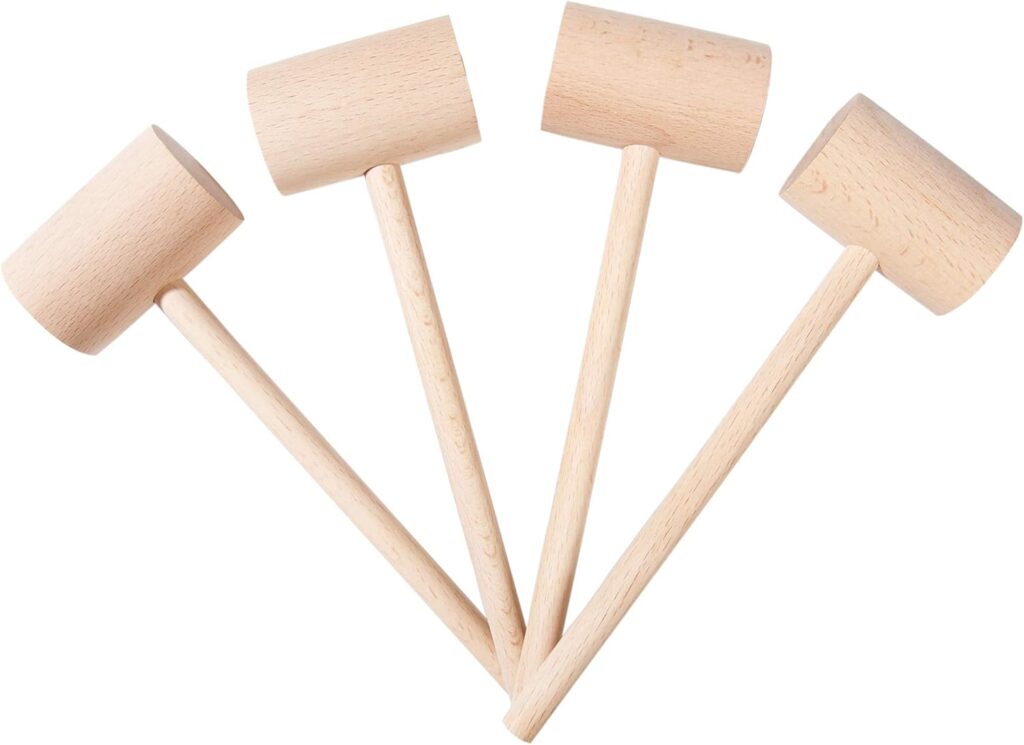
Cracking stone crab claws is an art, but once you know the technique, it’s easy and satisfying. Always use a wooden or rubber mallet—metal crackers can shatter the shell and damage the meat. Place the claw on a flat surface and gently tap the shell at the thickest points, working your way around until it cracks cleanly.
The goal is to split the shell without crushing it, allowing you to remove large, intact pieces of meat. Start with the knuckle, then move to the main claw. Patience is key and light taps are far more effective than forceful hits. When done correctly, the meat should slide out in beautiful chunks, perfect for dipping and savoring.
This website uses affiliate links which may earn a commission for purchases at no additional cost to you.

These wooden mallets are perfect for cracking stone crab claws with ease. They’re sturdy without being too heavy, making it easy to break the shell cleanly without damaging the sweet crab meat inside. Great quality for the price, well made, and what I use for a proper stone crab feast.
Butter vs. Mustard Sauce
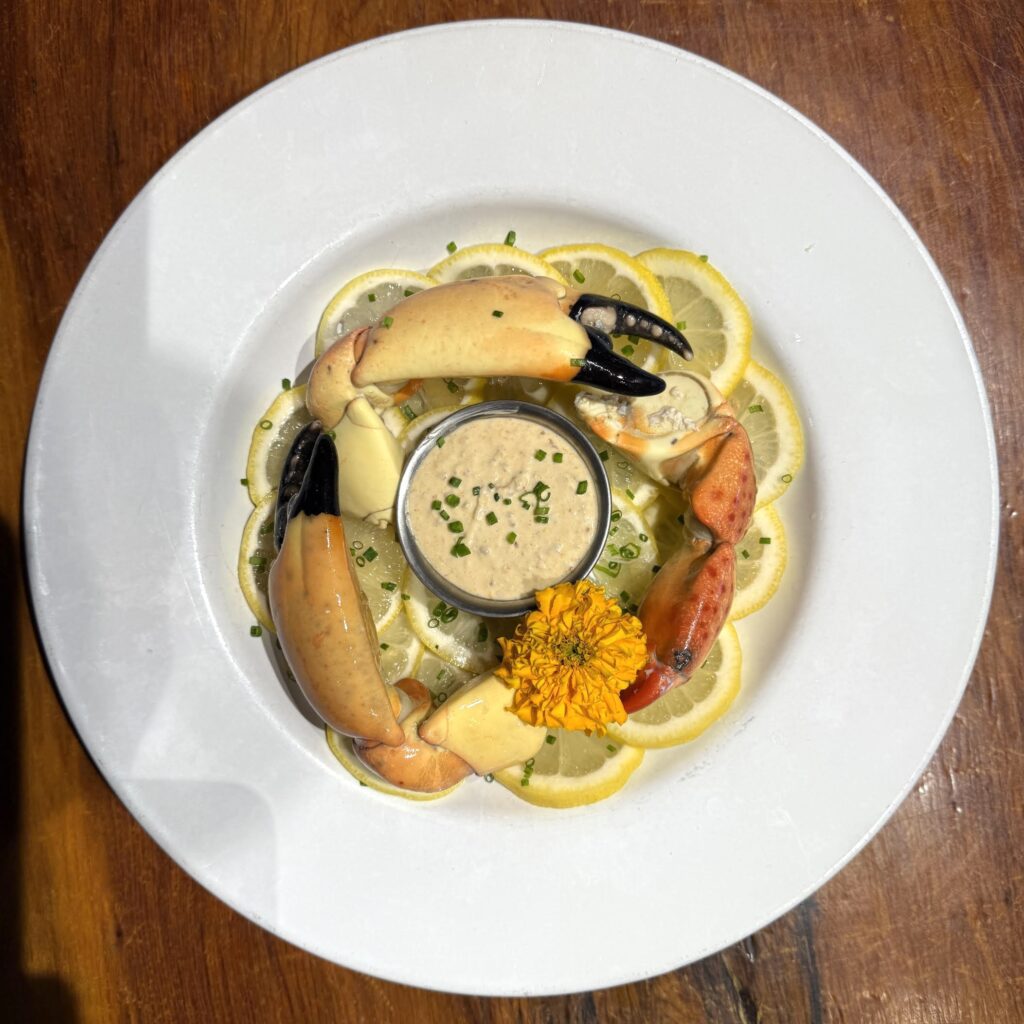
When it comes to sauces, tradition reigns supreme. The most iconic pairing is stone crab mustard sauce, a creamy blend typically made with Dijon mustard, mayonnaise, Worcestershire sauce, and spices. The sharp, tangy sauce contrasts beautifully with the sweet crab meat. Melted drawn butter is another classic option, especially for those who prefer a simpler, richer complement that enhances the crab’s natural sweetness without overpowering it. Many locals swear by trying both.
What to Serve with Stone Crab
Stone crab is rich and satisfying on its own, so simple sides work best. Classic pairings include coleslaw, hash browns, or potato salad, all of which balance the sweetness of the crab. Lemon wedges are a must, and crusty bread or crackers are perfect for soaking up leftover butter or sauce.
For drinks, crisp white wines, champagne, or a cold beer pair beautifully. Whether served at a waterfront restaurant or at home with friends, stone crab meals are meant to feel relaxed, indulgent, and unmistakably Floridian.
Where to Buy Stone Crab
Anna Maria Island is home to several excellent seafood markets offering stone crab.
Where to Dine on Stone Crab

Anna Maria Island offers plenty of restaurants where you can enjoy fresh, chilled stone crab claws.
- Anna Maria Oyster Bar on the Pier
- Beach House Waterfront Restaurant
- Cortez Kitchen
- The Doctor’s Office
- Dry Dock Waterfront Grill
- The Feast Restaurant
- Mar Vista
- Sandbar Seafood and Spirits
- Swordfish Grill
Stone crab season doesn’t last forever, so when you see it…get it. Crack a claw, dip generously, and enjoy one of Florida’s finest flavors while you can. Stone crab is typically offered October 15 through May 15 when in season, so it’s best to check with the restaurant before you go to confirm availability.
Until next time…
· izzy

The Anna Maria Island Restaurant Guide includes 80+ local restaurants and $200+ in exclusive activity coupons.
Restaurants are categorized by location, phone number, hours of operation, happy hour, live music, cuisine, vibe, waterfront, price, and reservations.
Activity coupons include beach equipment setup, bike rental, jet ski rental, eco kayak tour, mixology class, boat tour, golf cart rental, fishing charter, and a horseback ride!
Anna Maria Island is more than a quaint beach destination with white sand and turquoise waters. Beyond the laid-back atmosphere, the island is a shopper’s paradise. Whether you are searching for the perfect outfit, a locally crafted good, a special souvenir, or just simply browsing, AMI hosts plenty of shops to satisfy your shopping cravings.
Here is a comprehensive list of shops on AMI.


Anna Maria Island is the perfect place to immerse yourself in a tropical island atmosphere. From upscale cocktail lounges to tiki bars to dive bars, AMI has a variety of spots offering happy hour deals.
Below is a list of bars and happy hours on Anna Maria Island to enjoy adult libations and soak up the island’s culture.
If you’re a seafood lover, Anna Maria Island is the perfect place to savor the fresh flavors of the Gulf.
Among its many coastal delights, oysters stand out as a true island treasure — fresh, briny, and perfectly paired with a laid-back beach view.
Whether you prefer them chilled with mignonette or roasted with butter and herbs, exploring the oyster scene is a must for any foodie visiting Anna Maria Island.


Crispy, golden, and just the right mix of tender and flavorful, calamari is a favorite appetizer for many who visit Anna Maria Island. Whether it’s lightly breaded and paired with house-made sauces, or tossed with bright herbs and bold flavors, local restaurants take pride in putting their own spin on this classic dish.
From casual beachfront eateries to lively waterfront grills, there’s no shortage of places to enjoy calamari while soaking in the island’s laid-back charm.